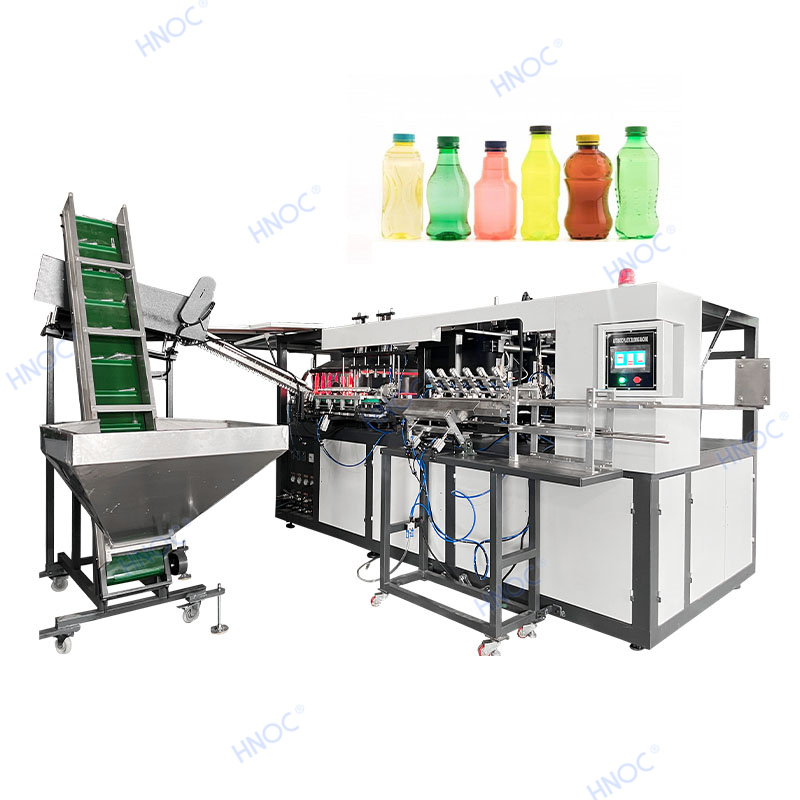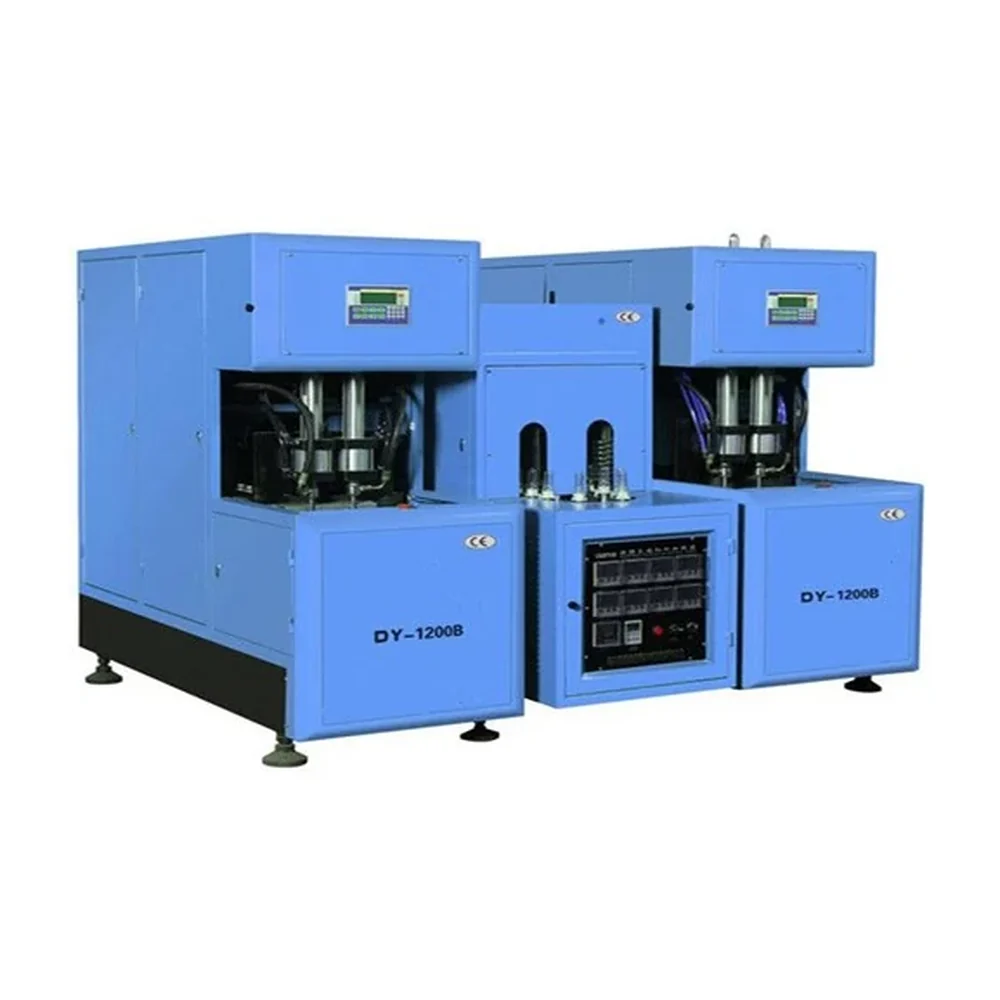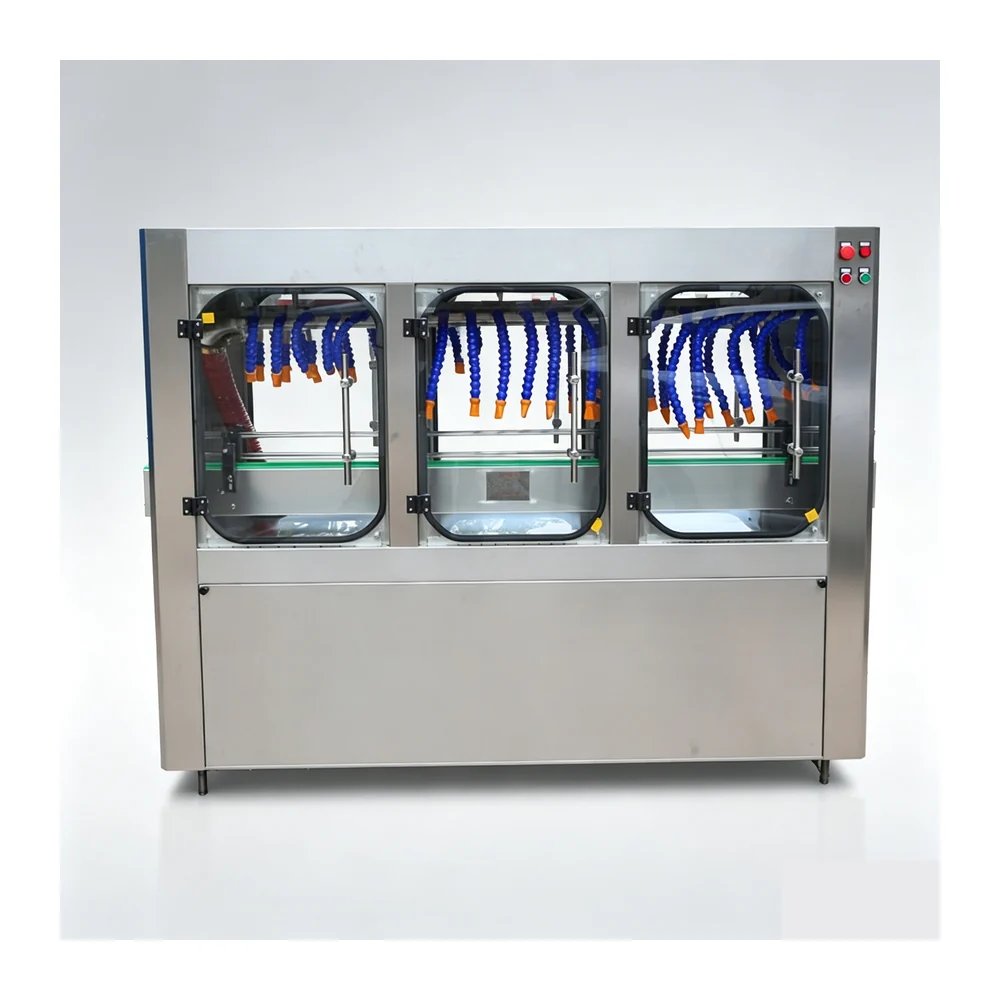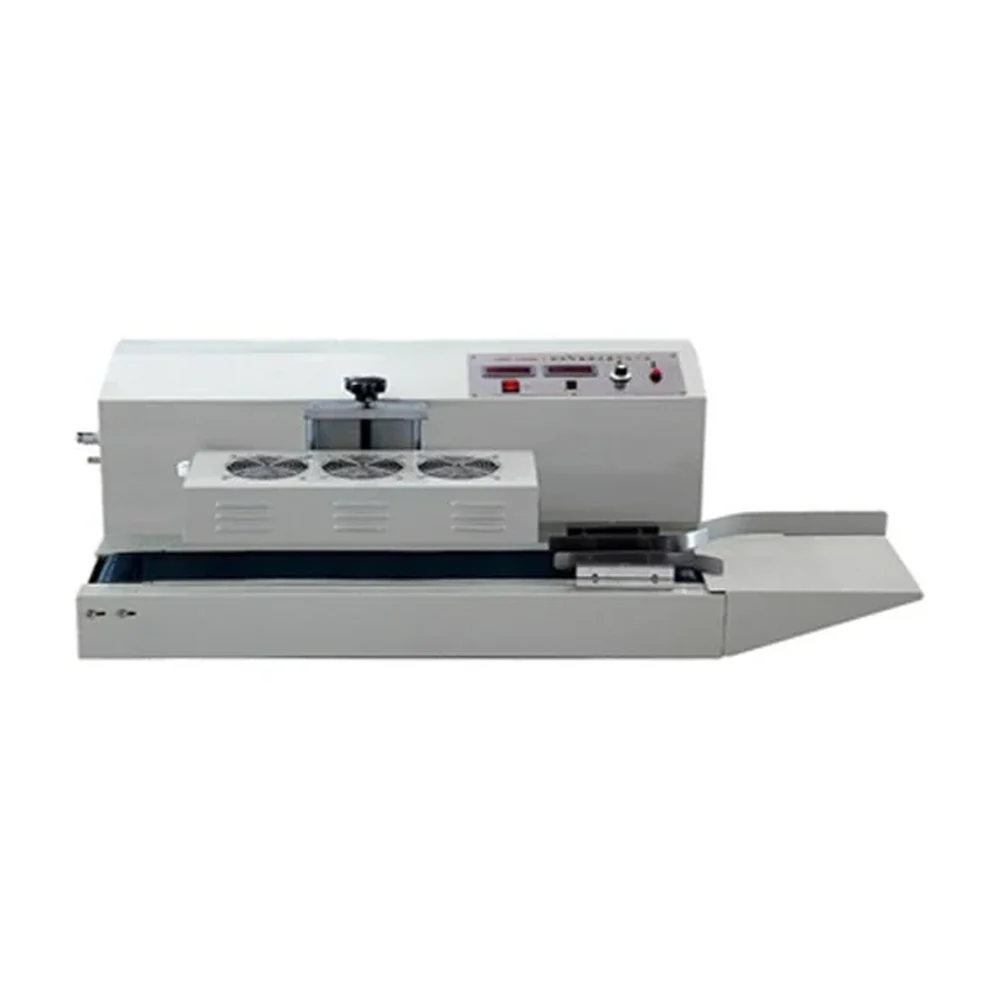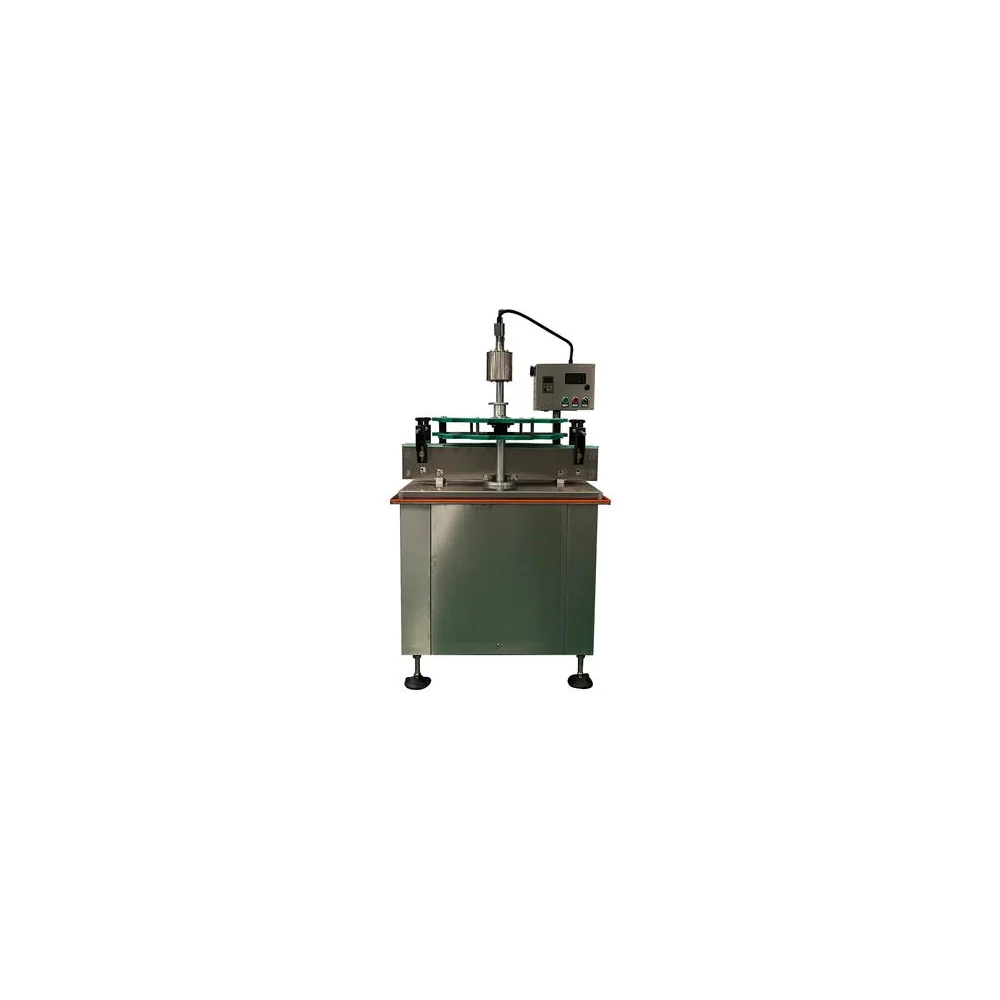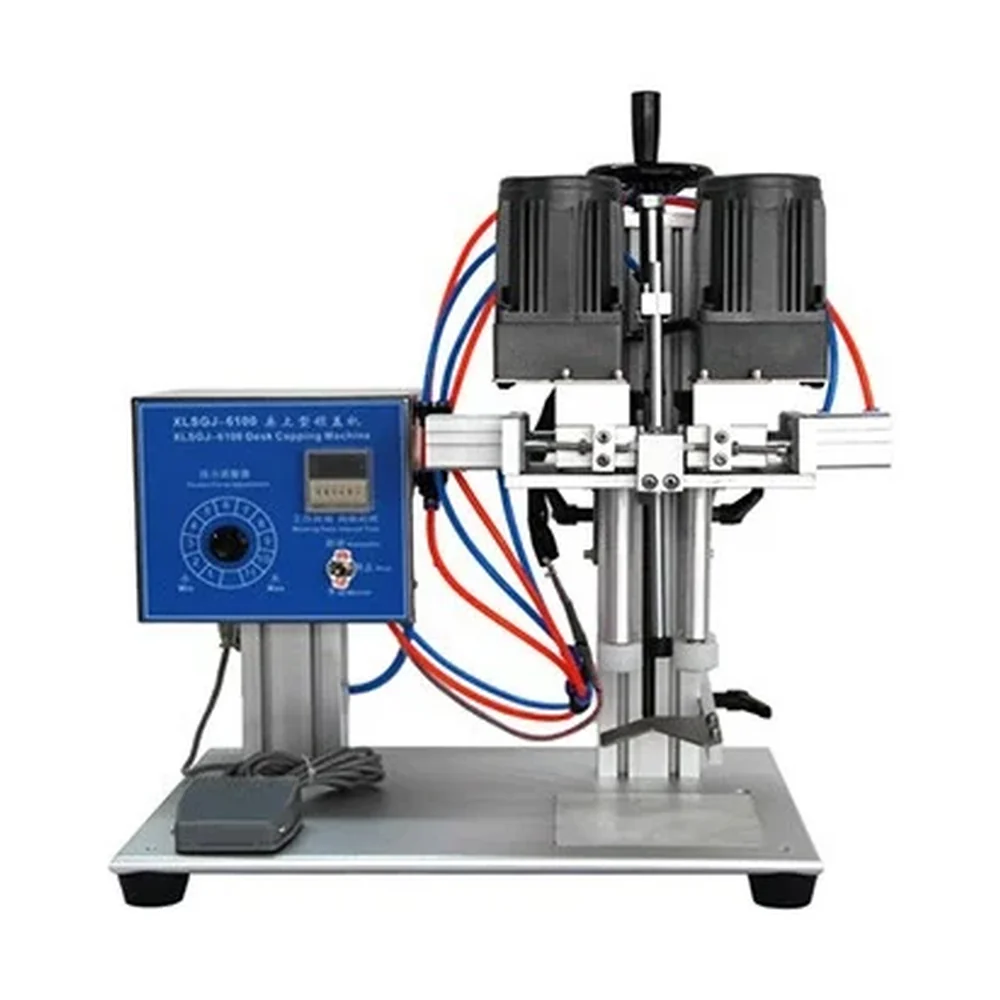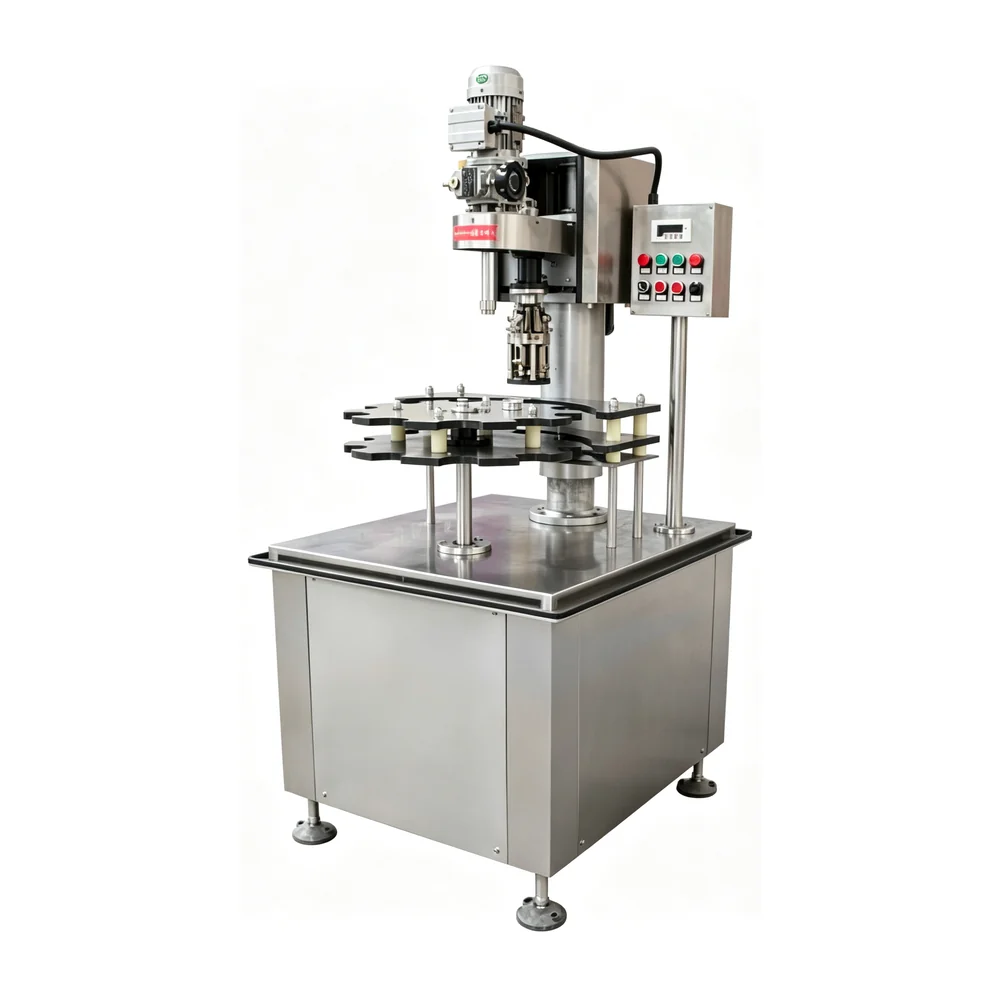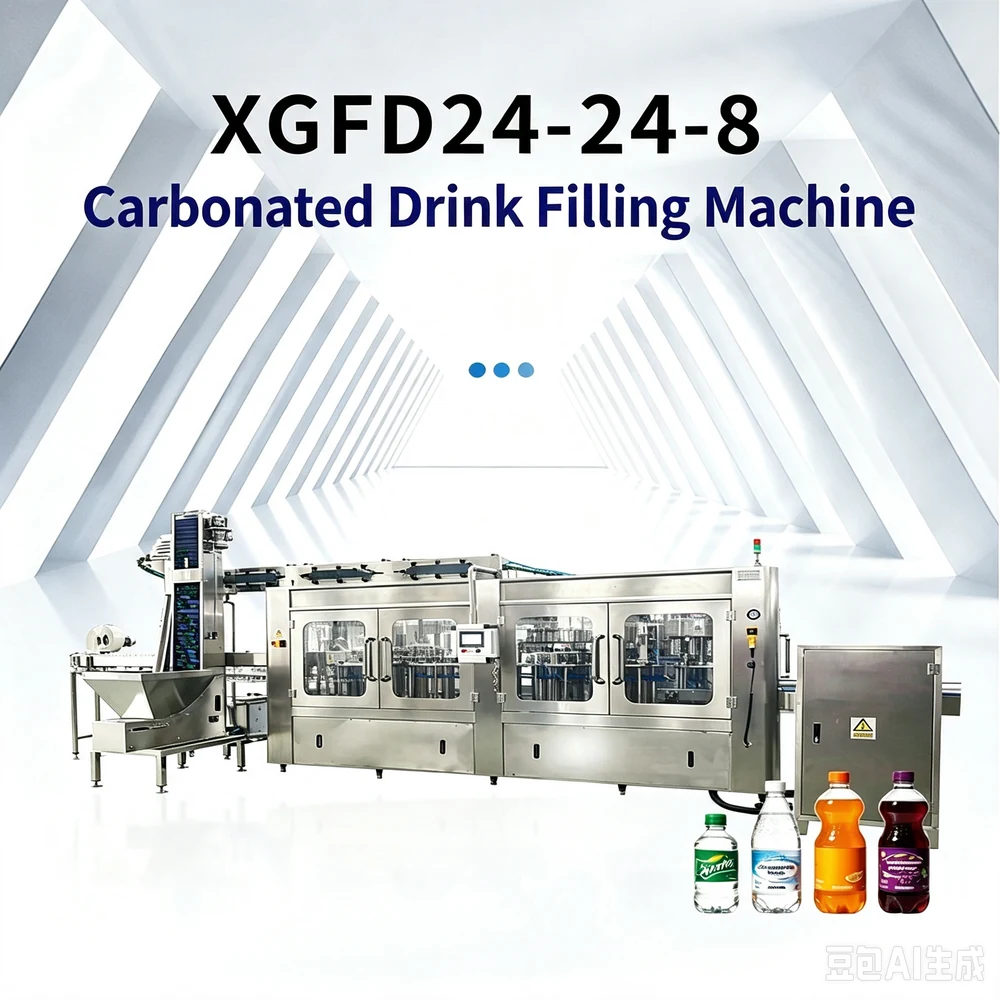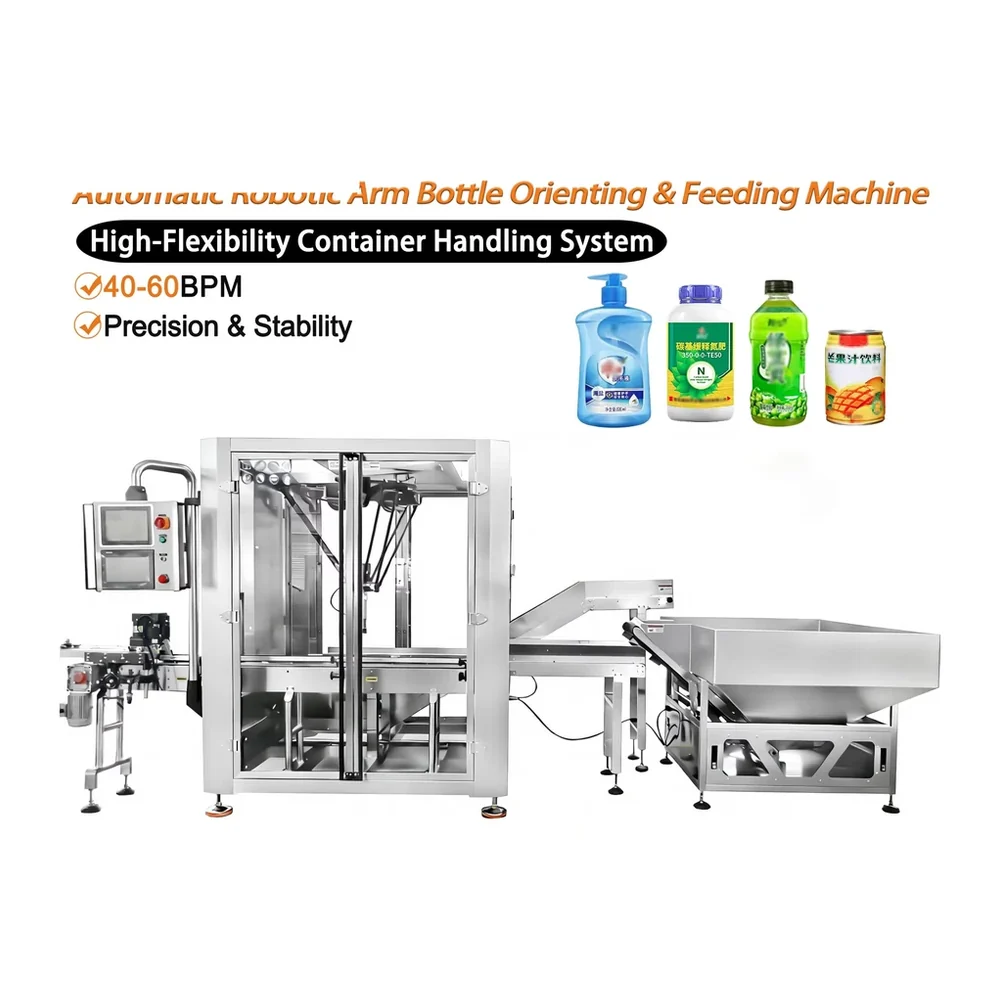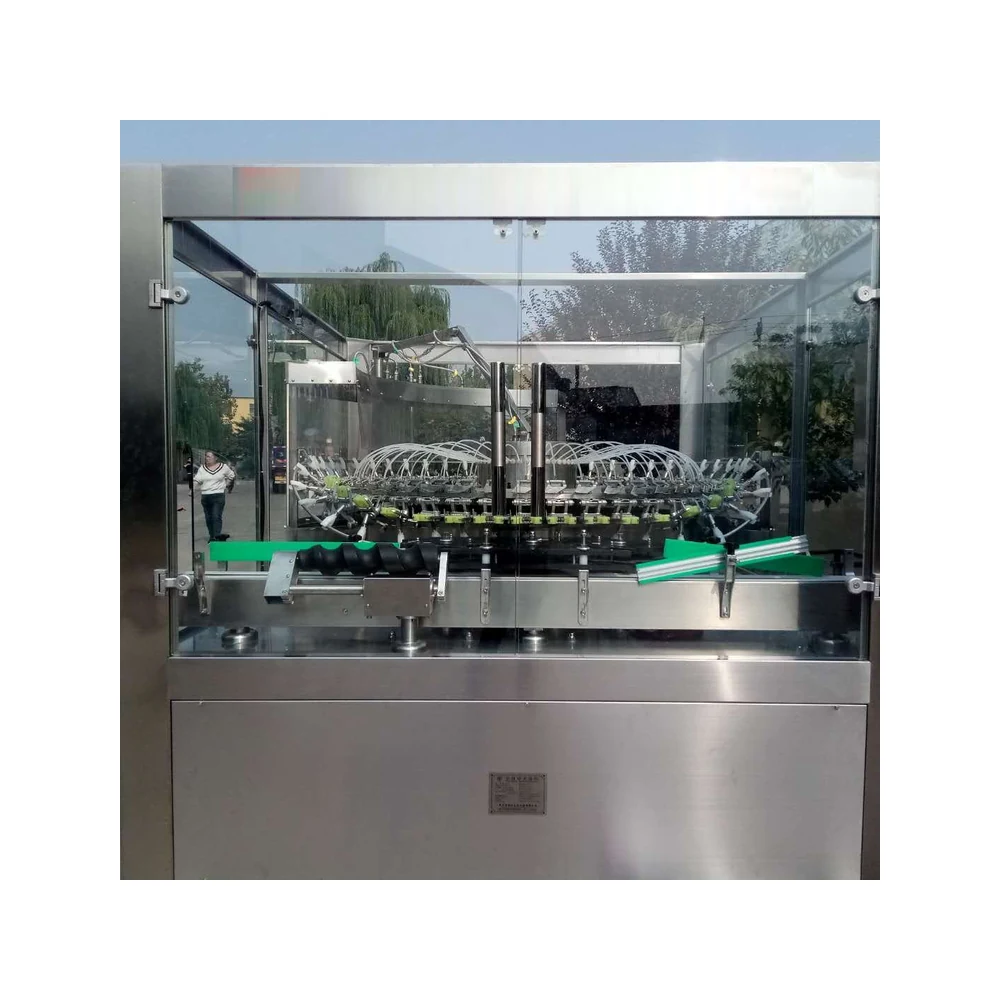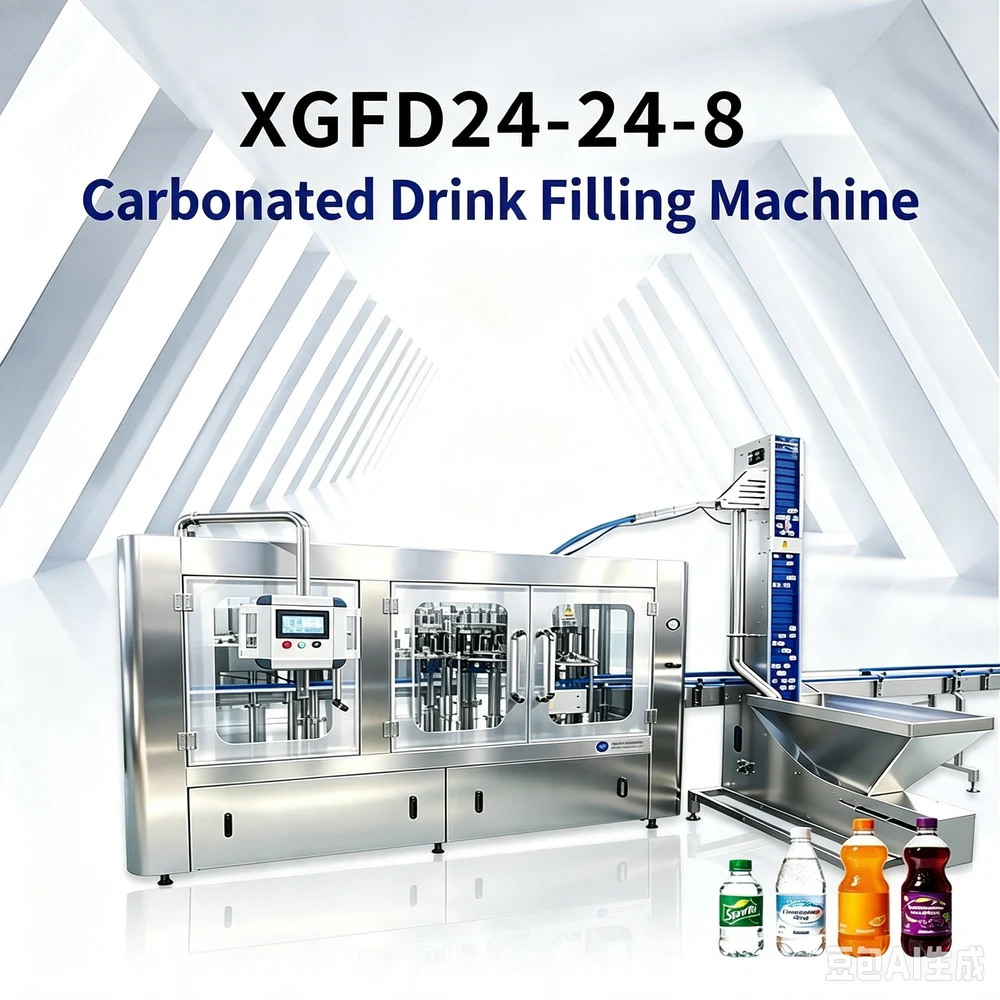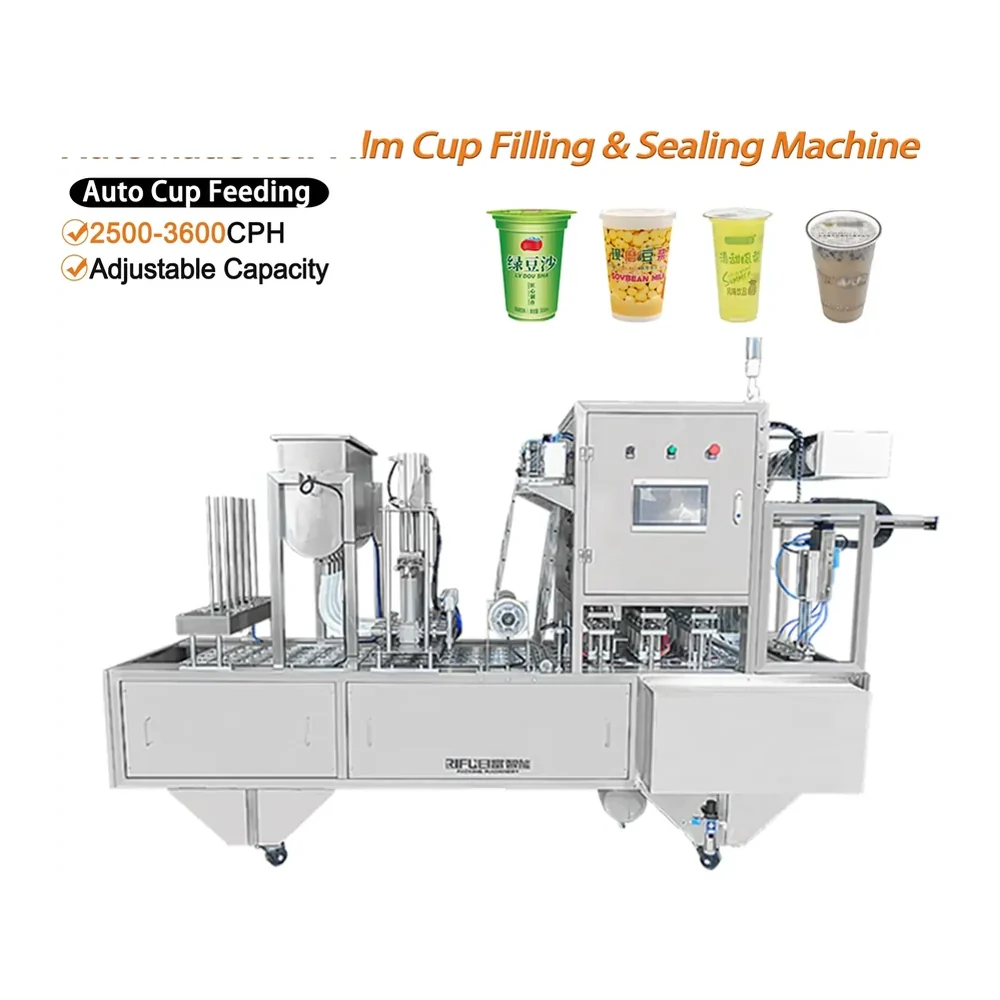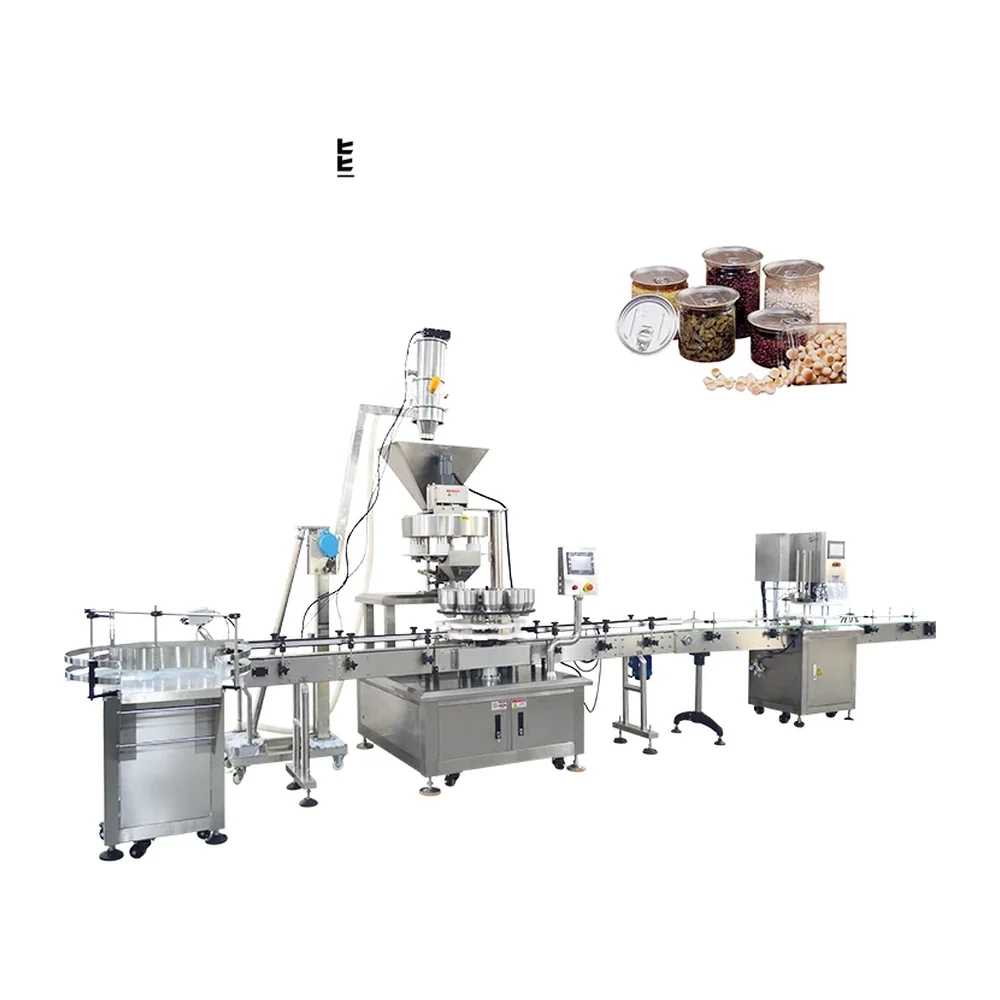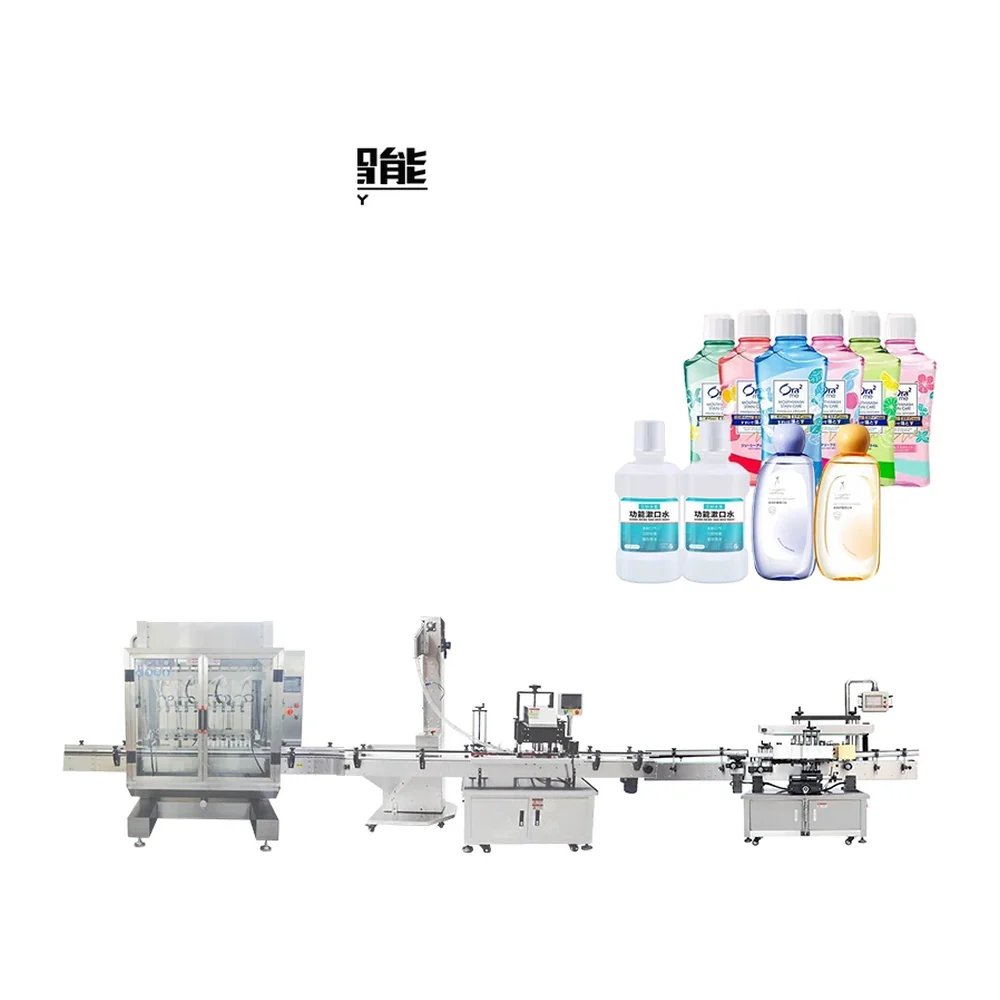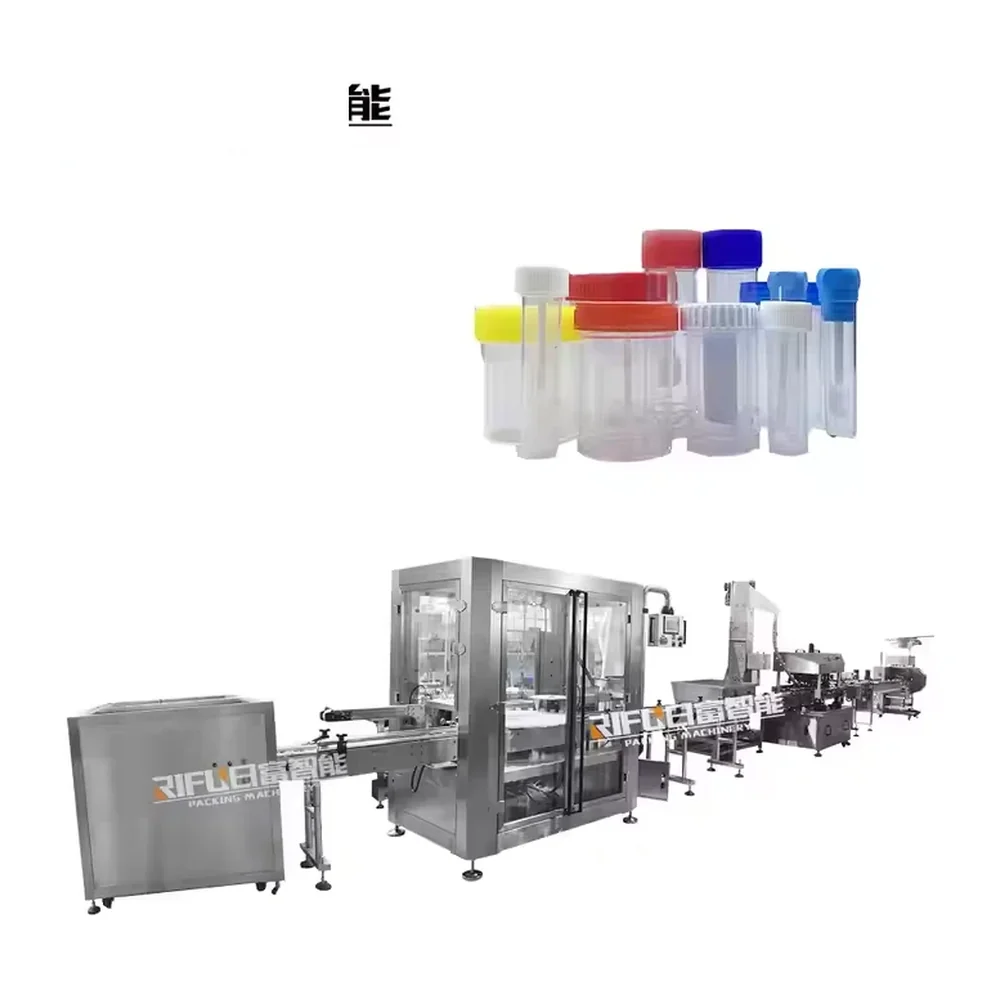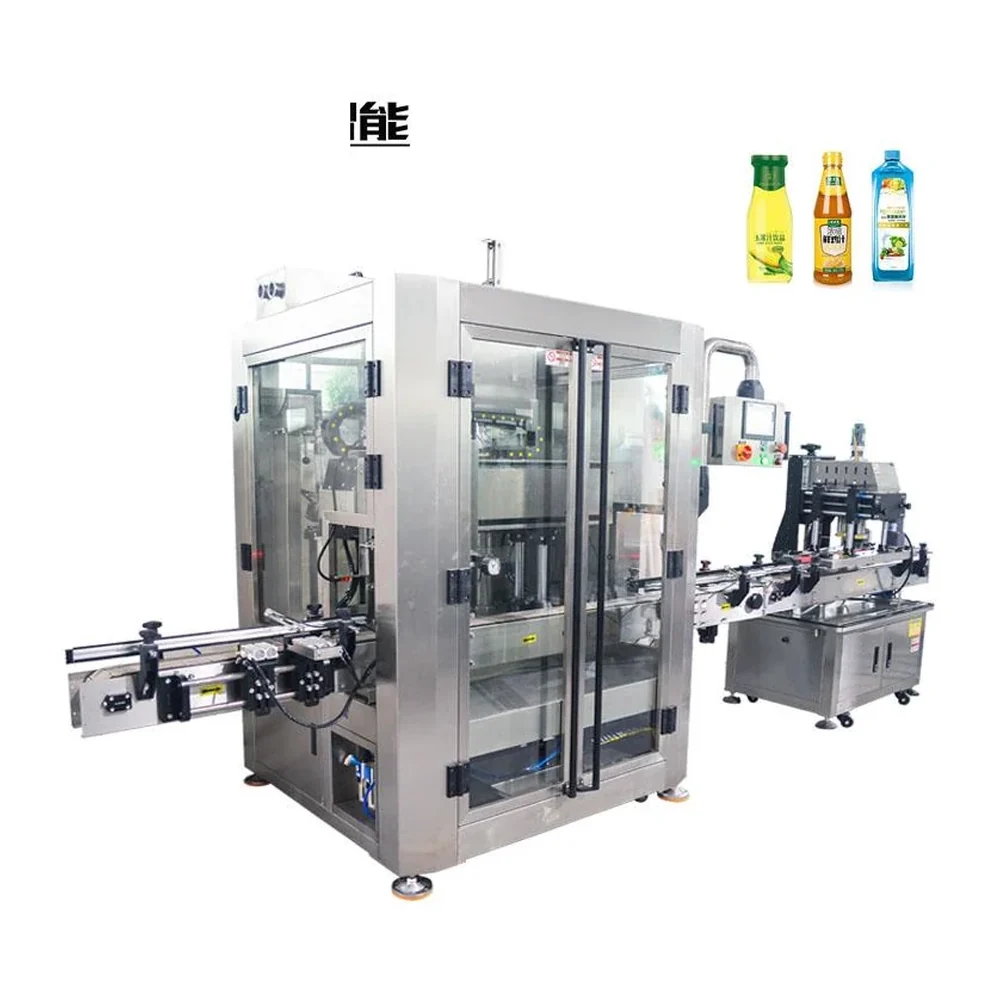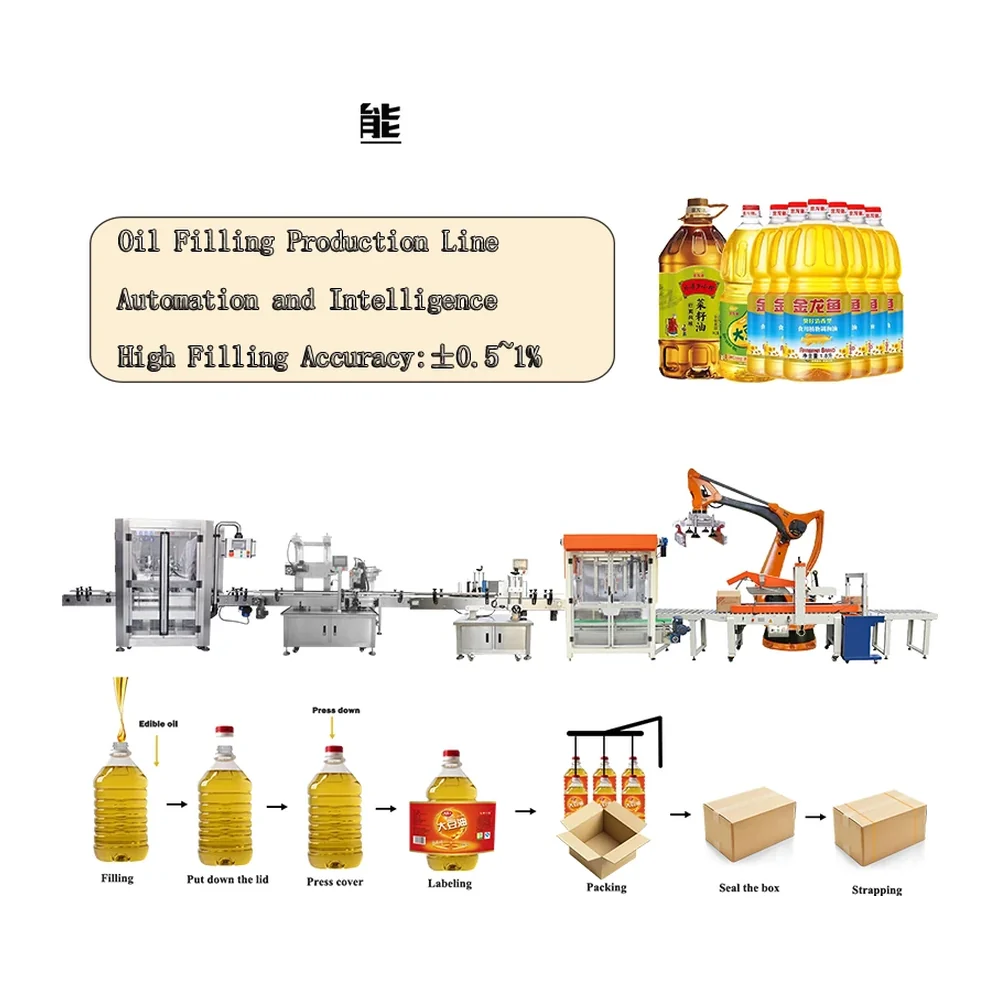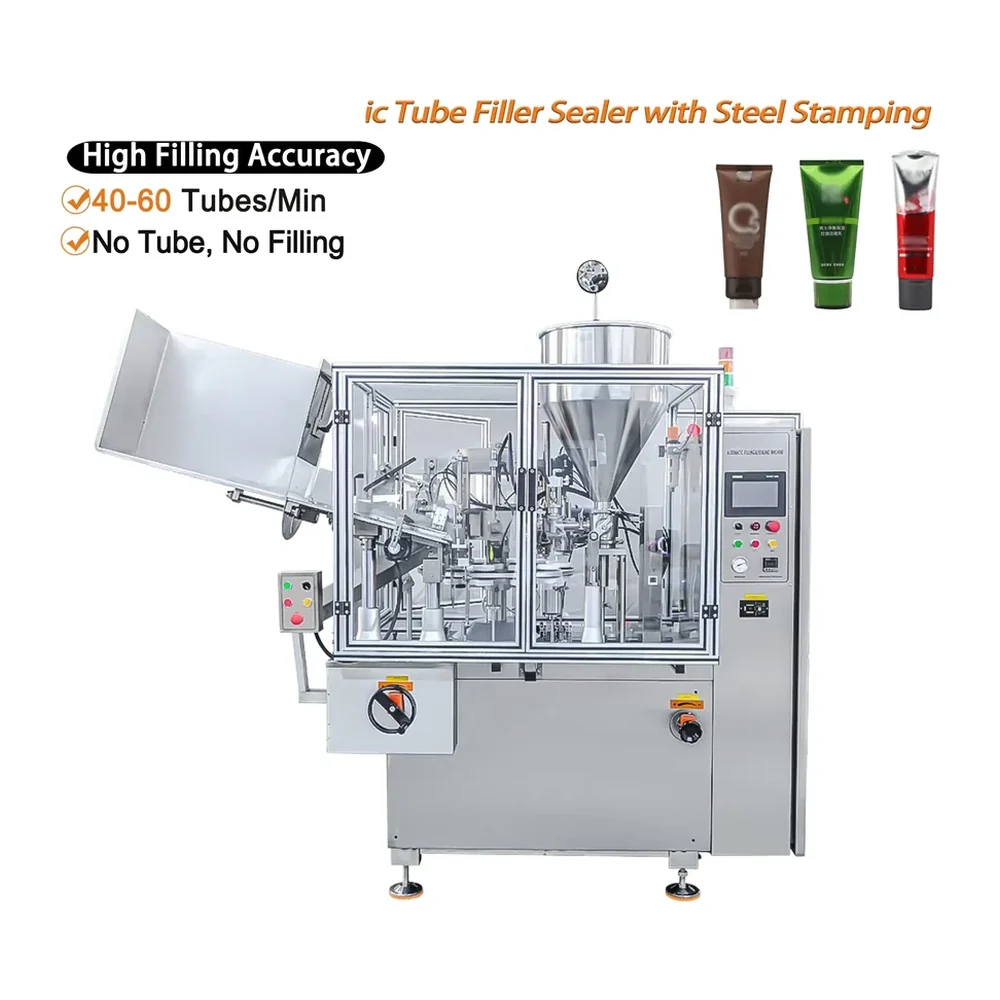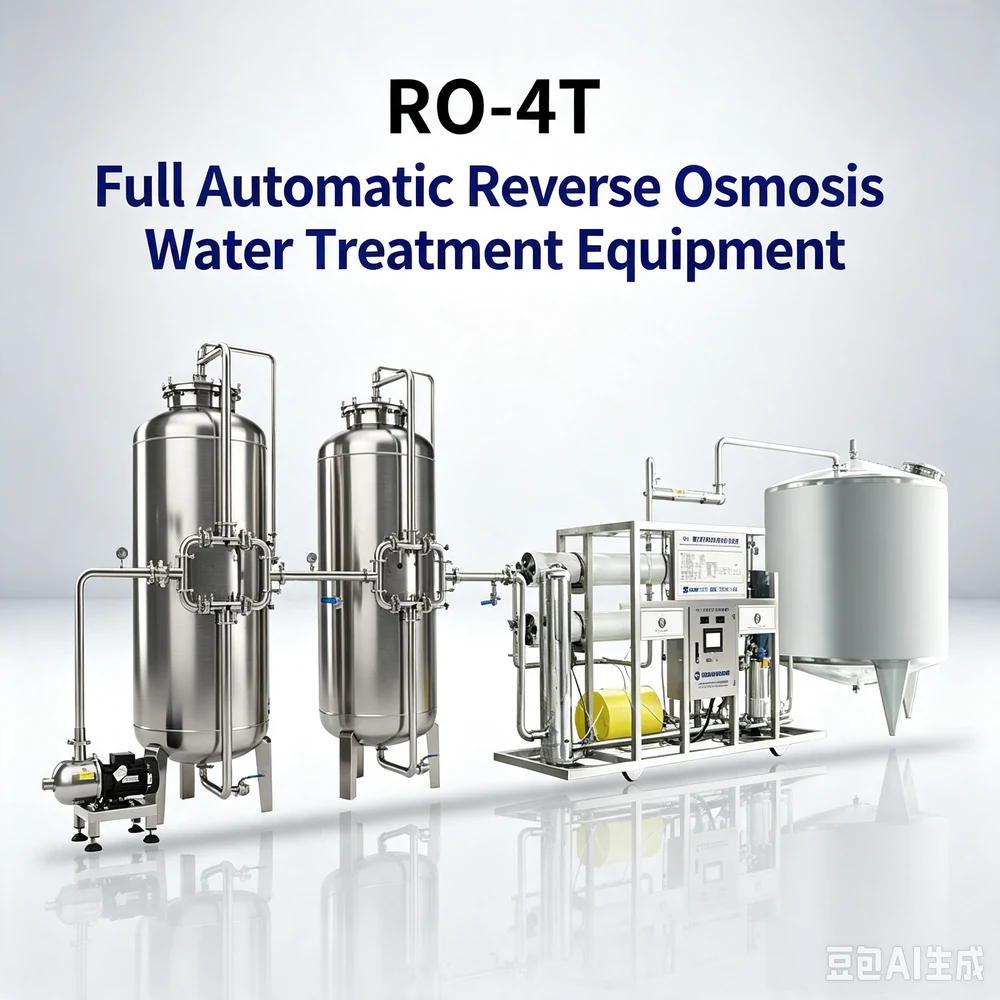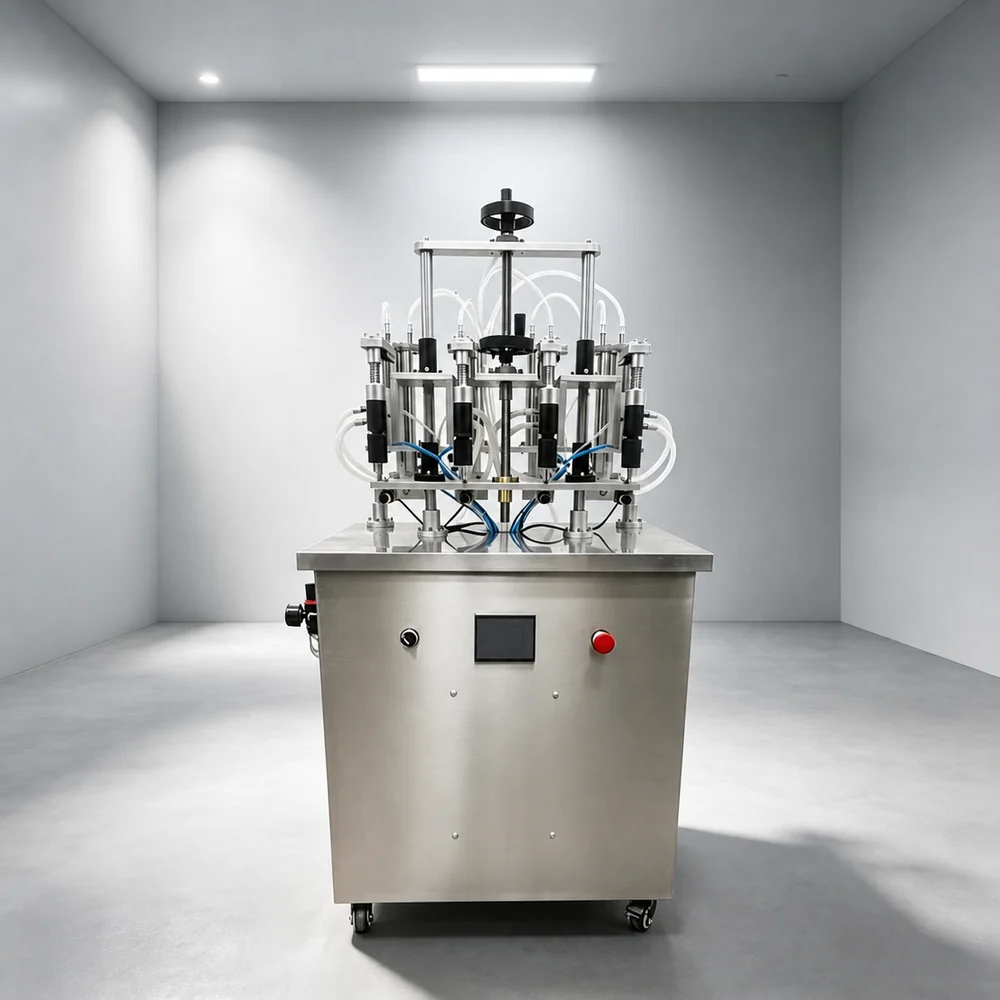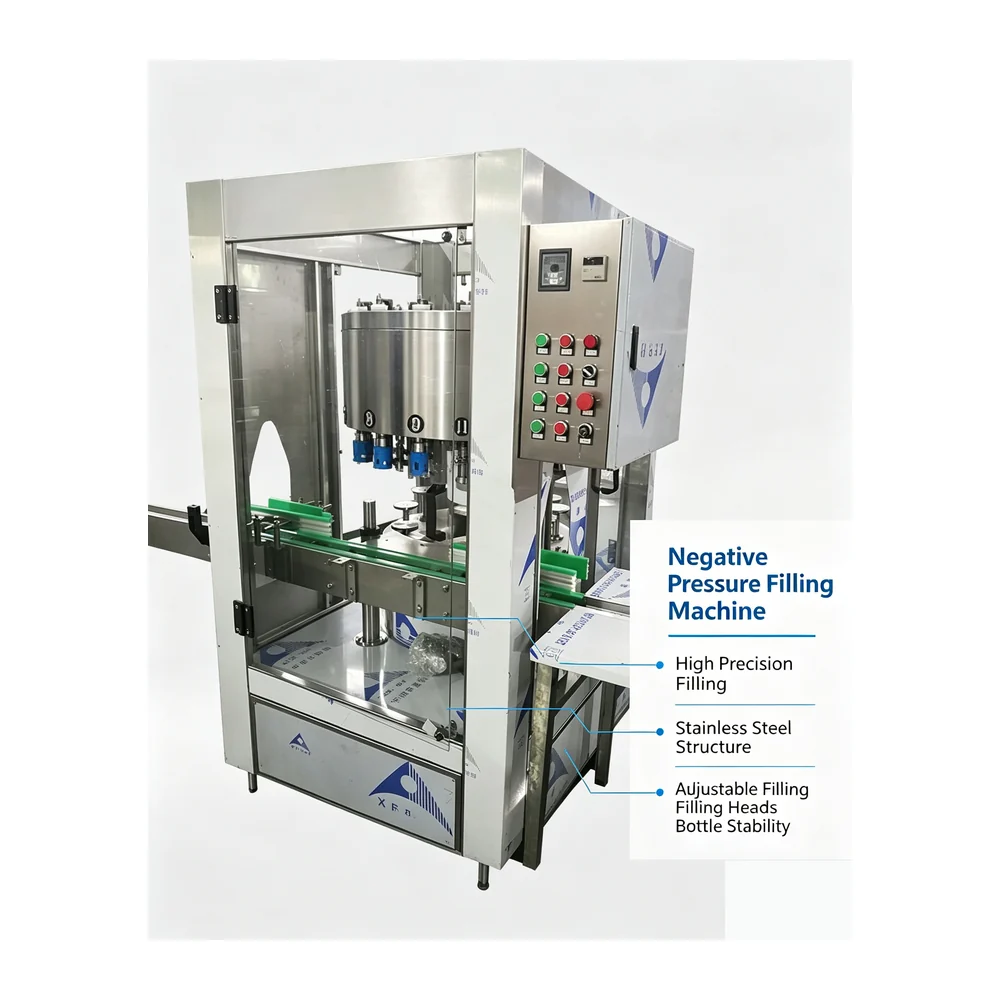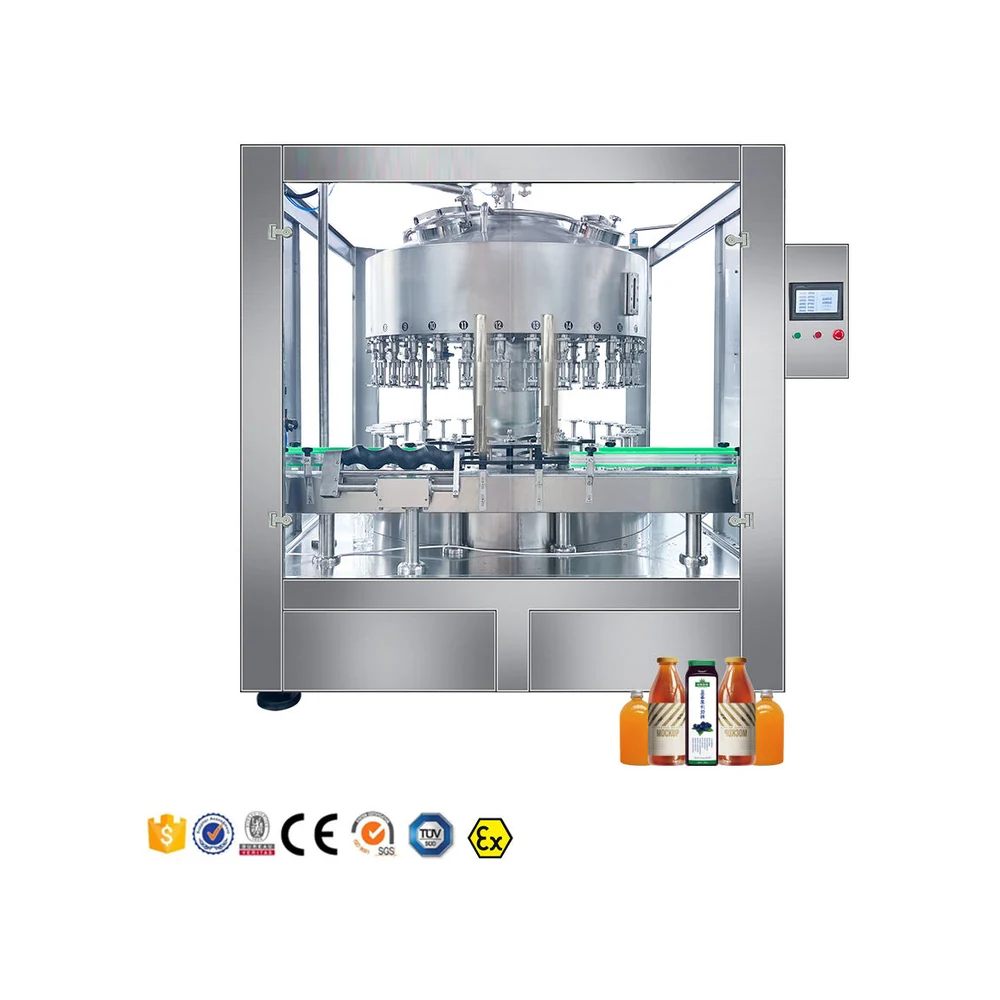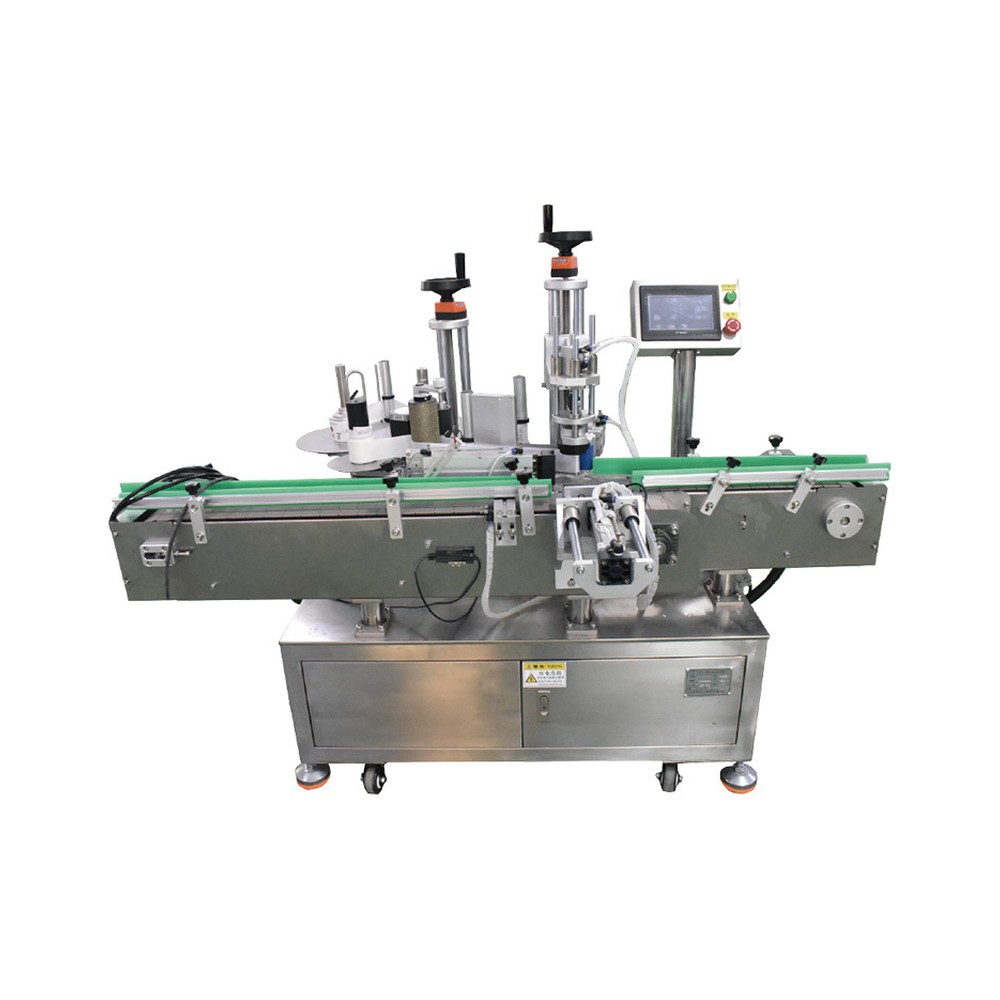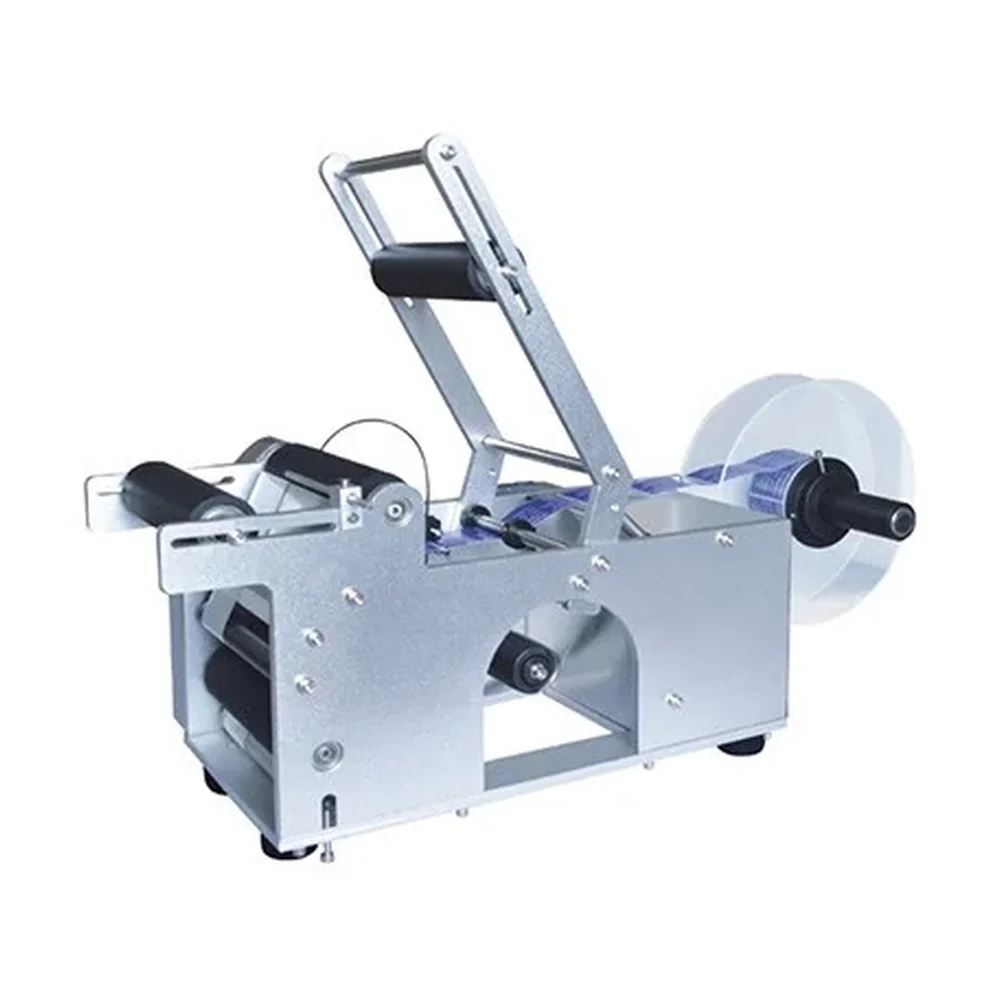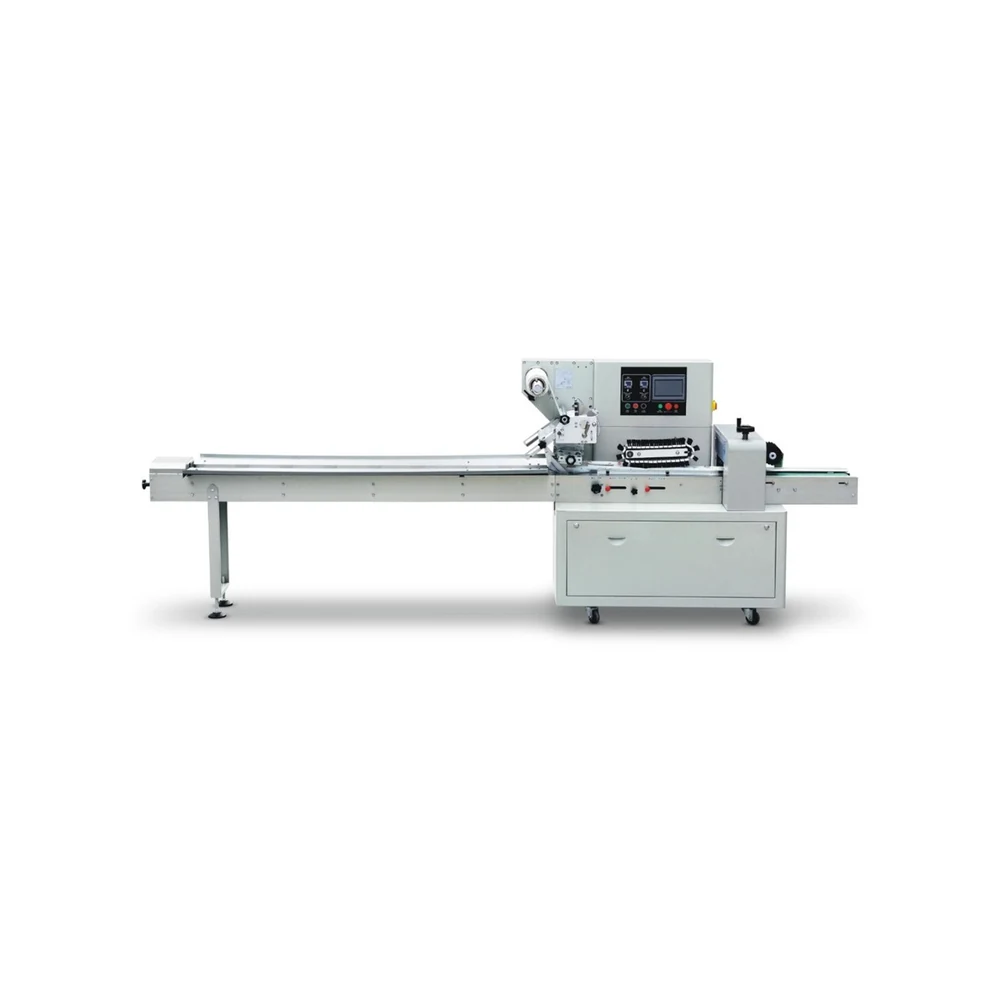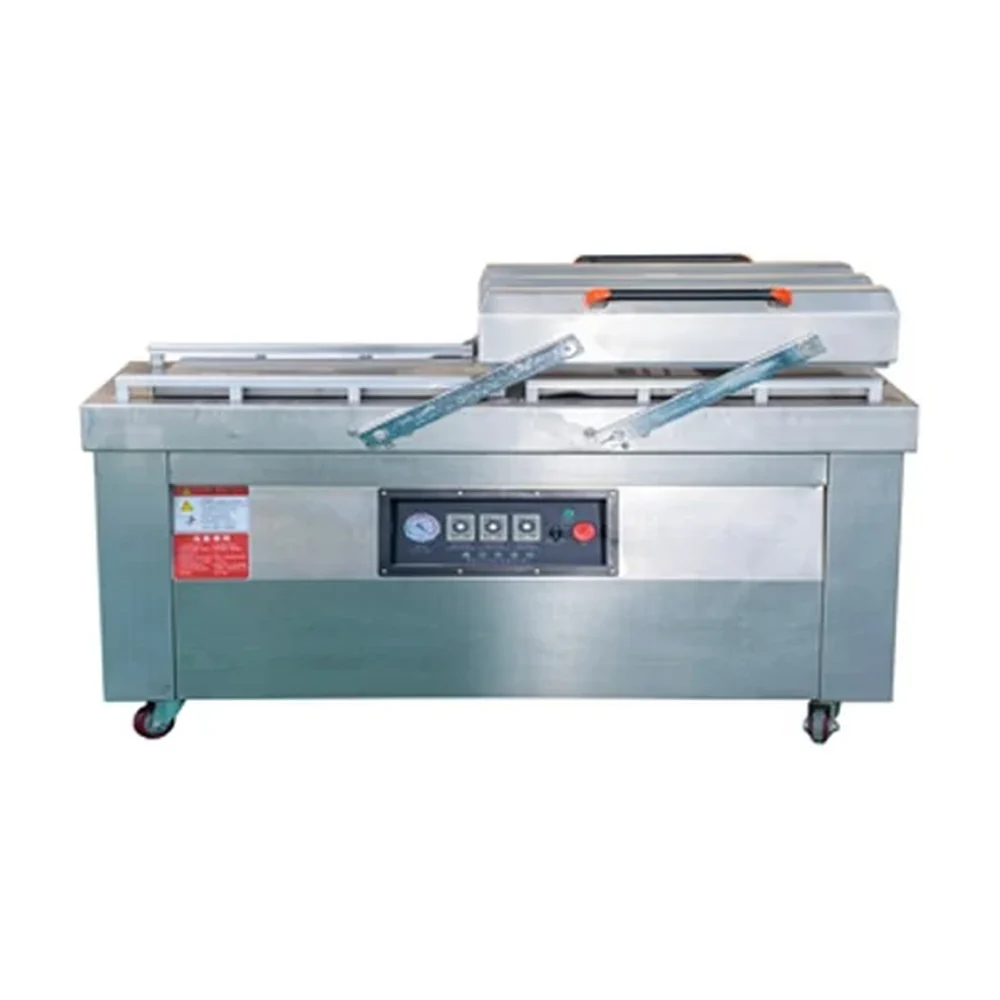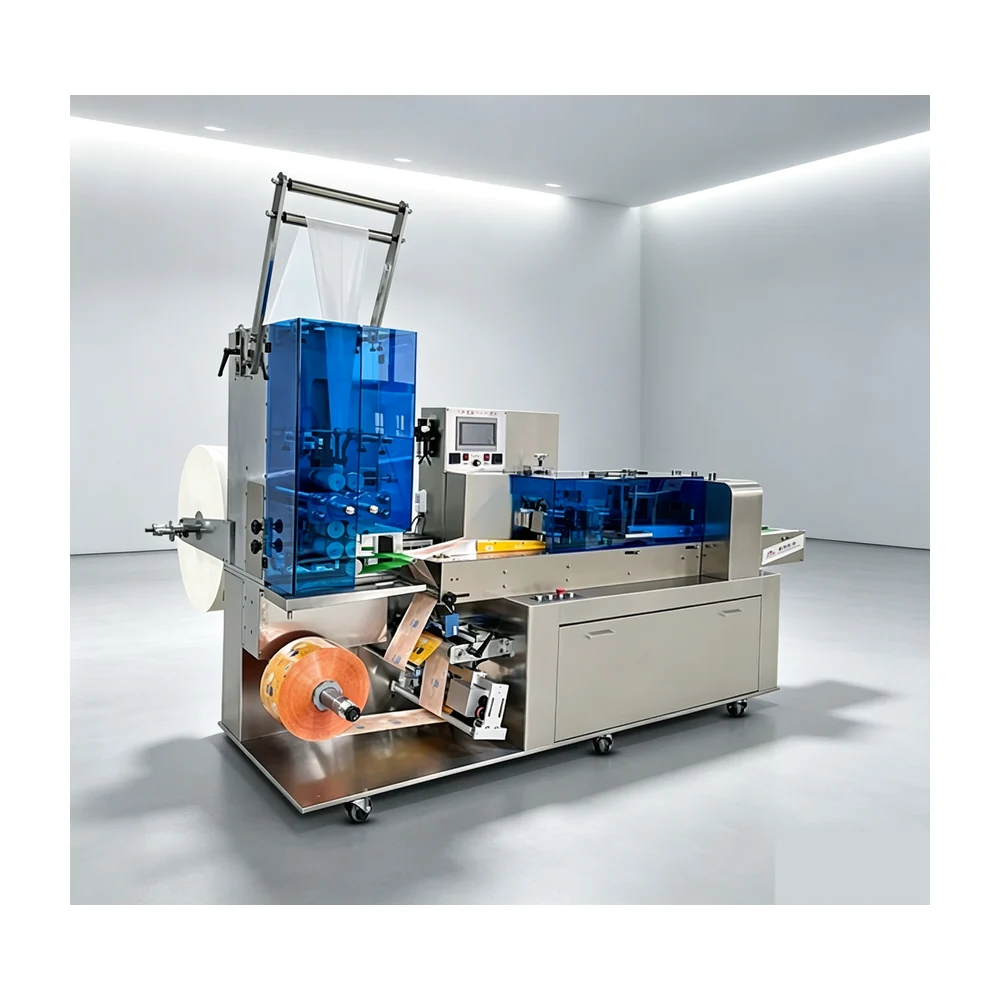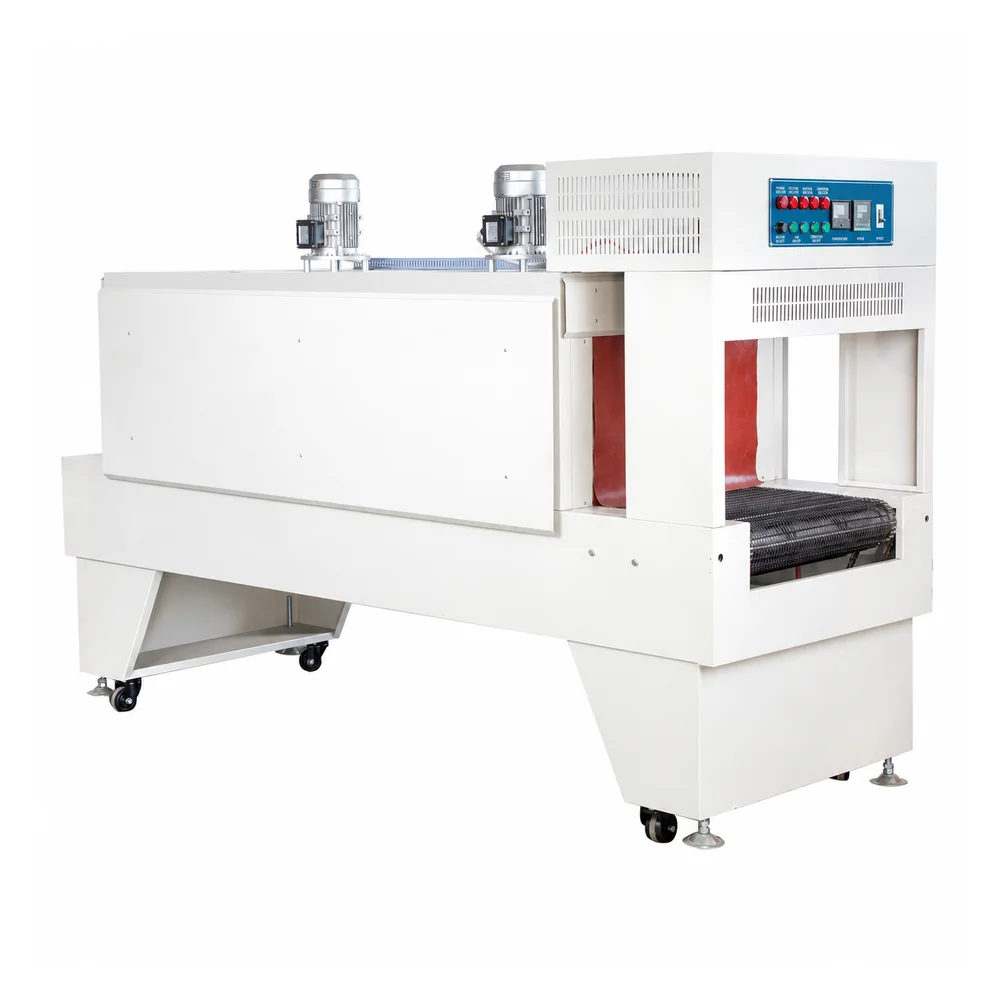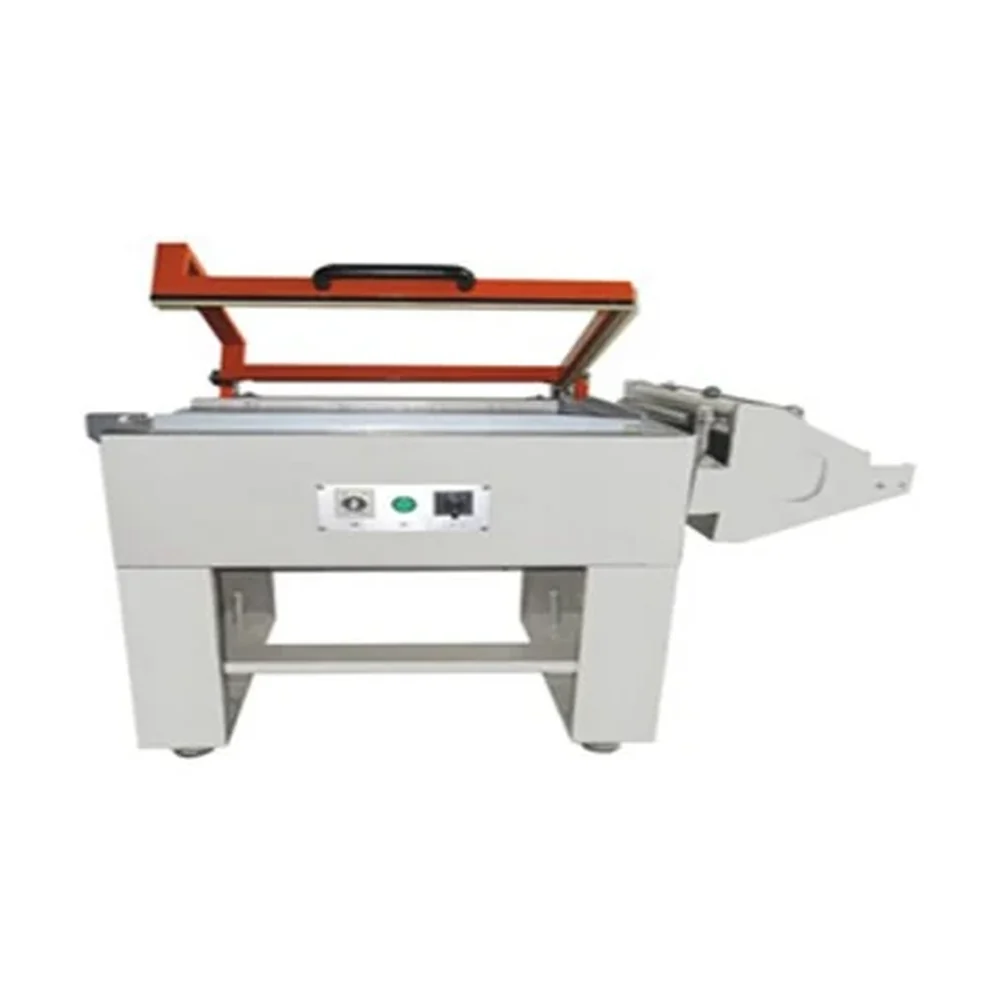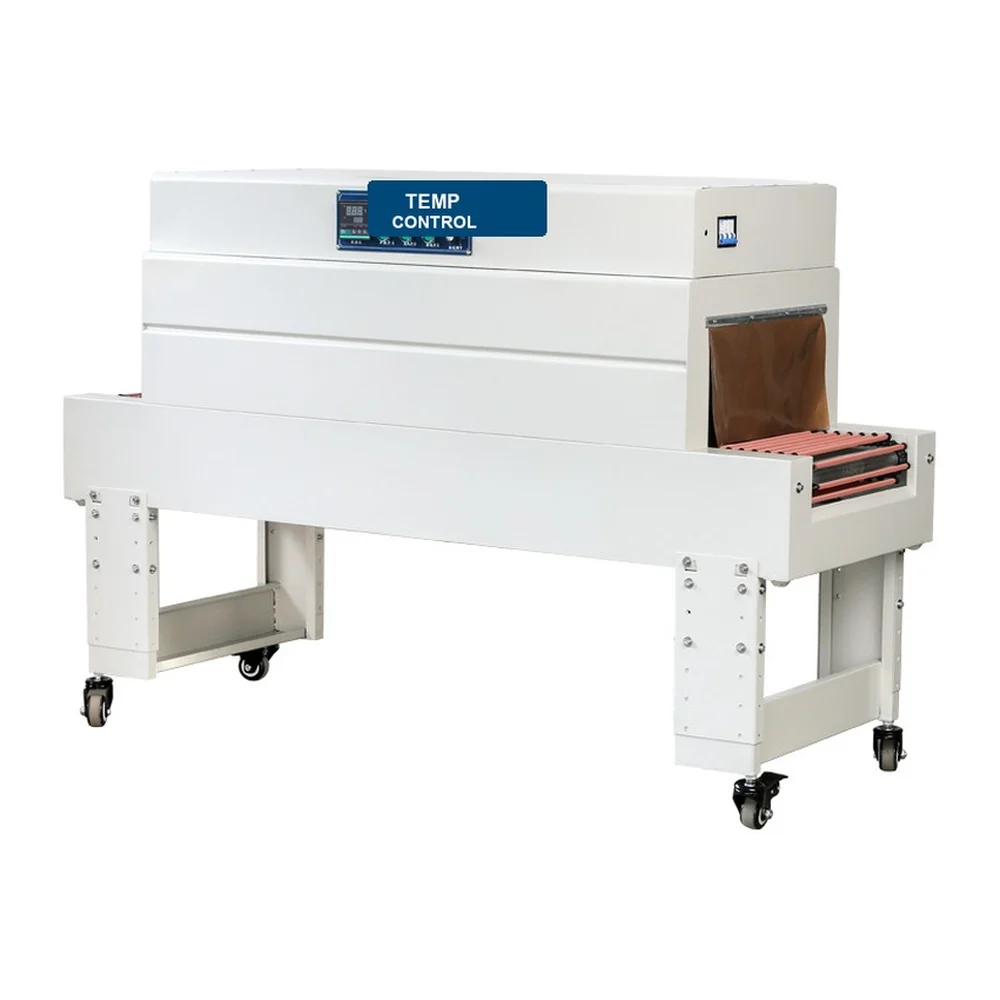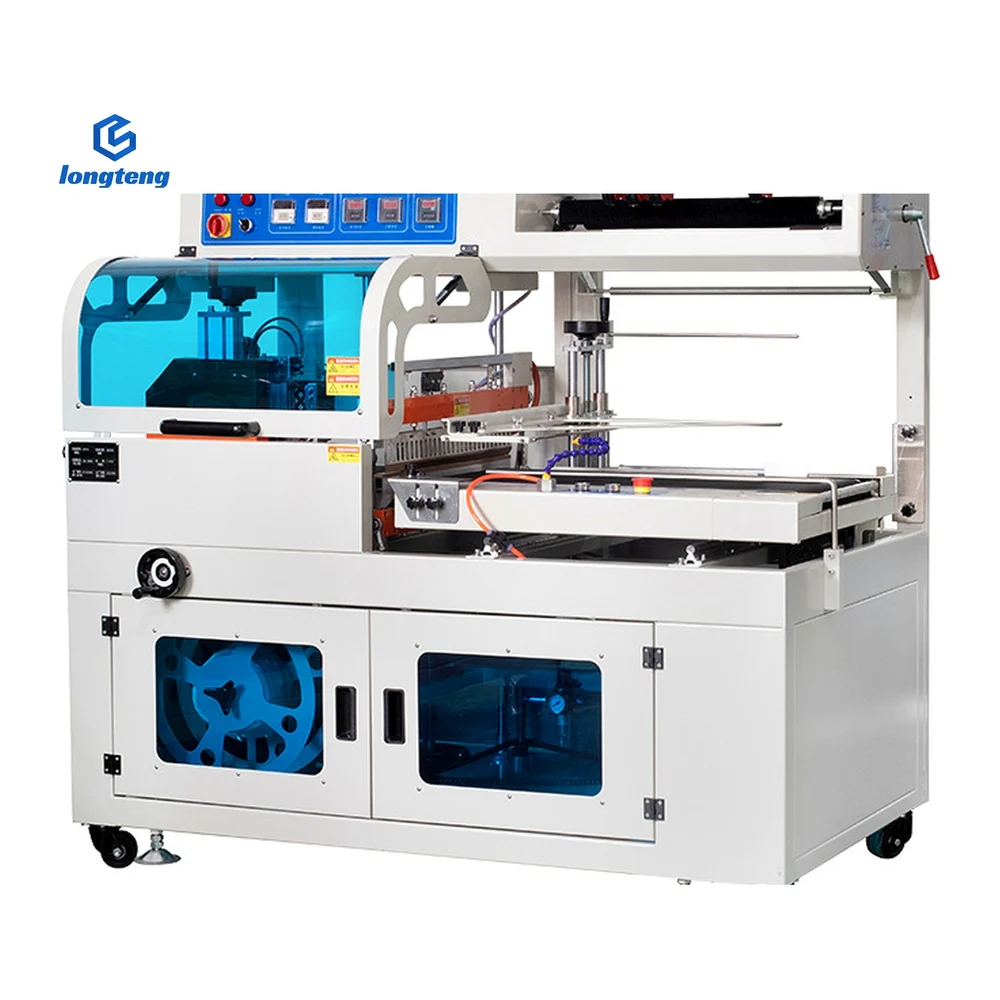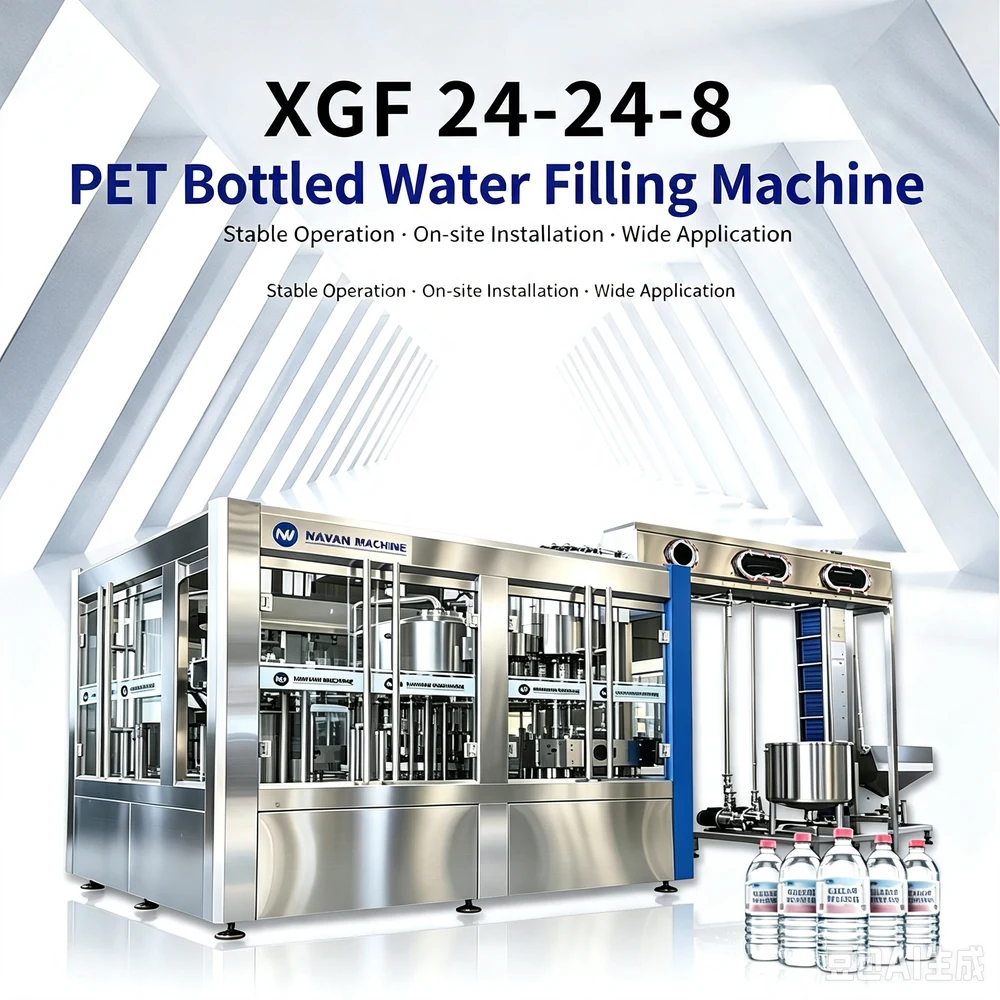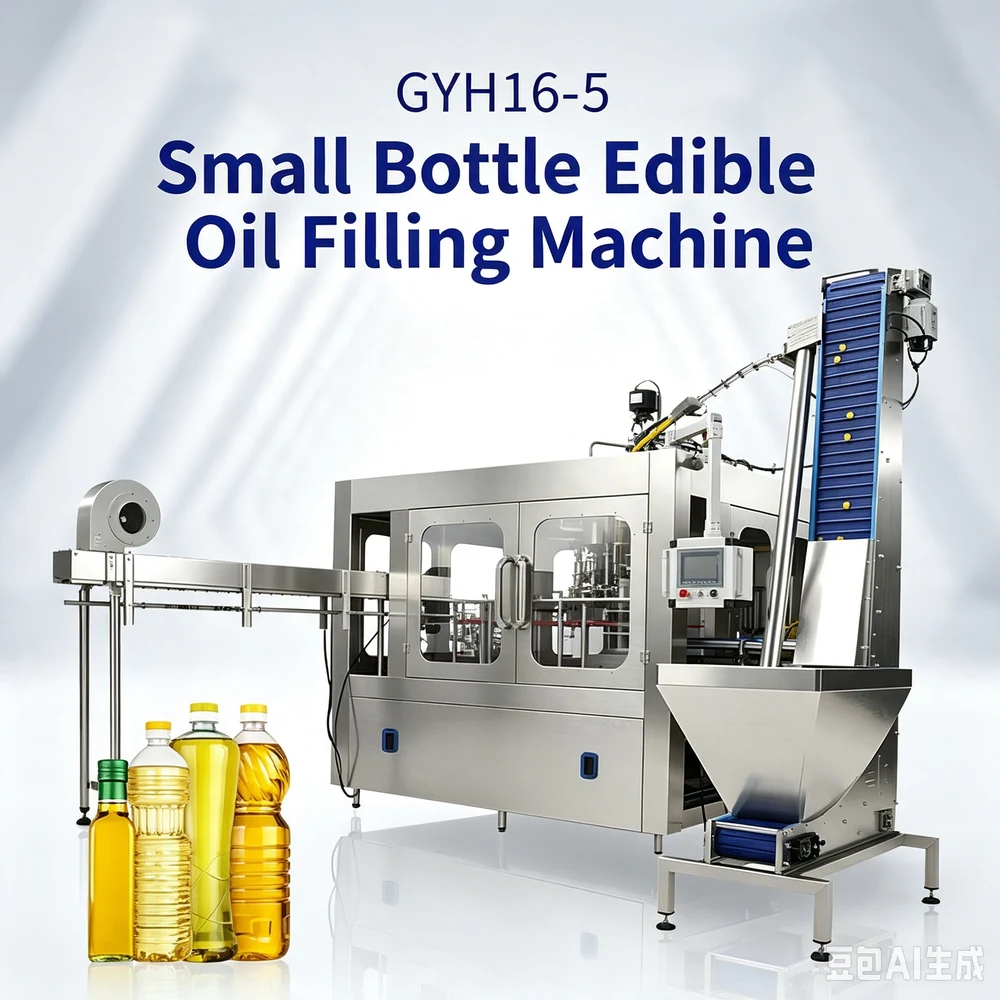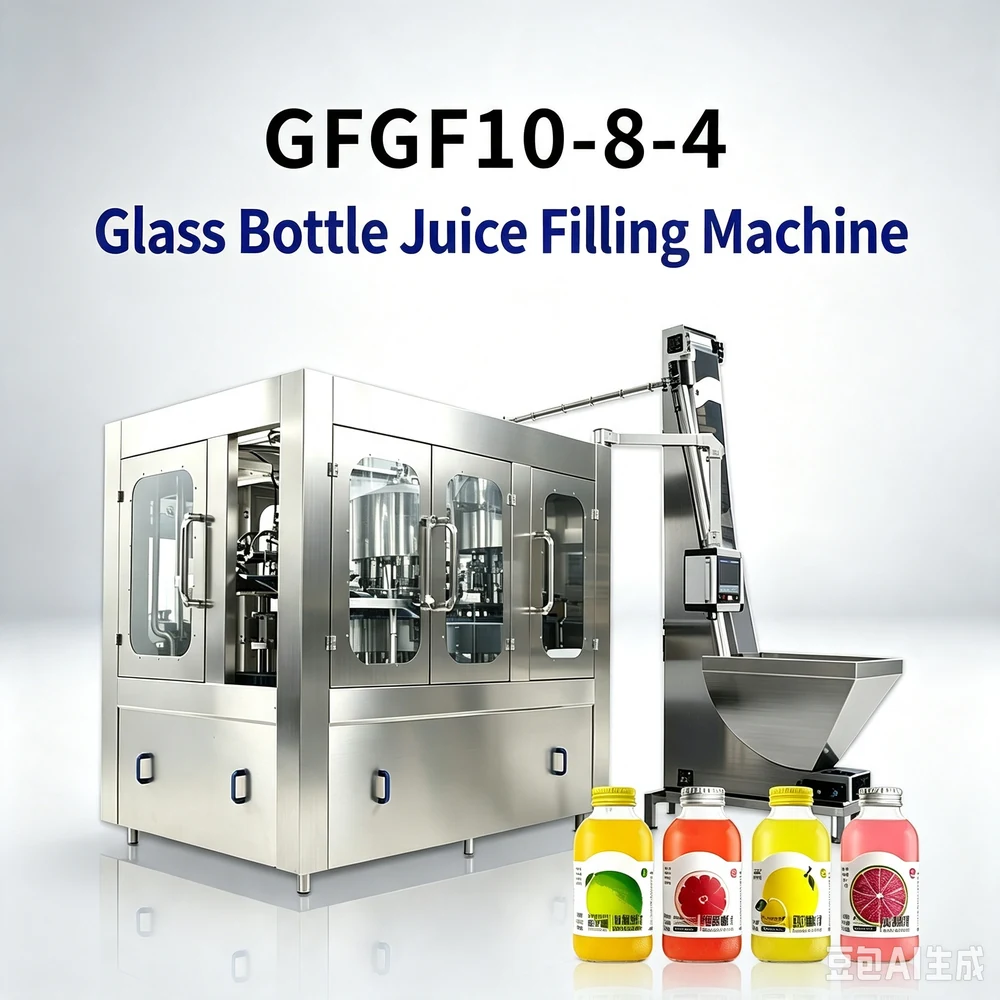
A bottle filling capping labeling line is a connected production system. The filling machine, capping machine, labeling machine and conveyors must match the same bottle size, speed and working direction. If one part is selected incorrectly, the whole line may become unstable.
Confirm the bottle and cap first
Bottle height, diameter, material and cap type determine machine structure. Screw caps, press caps, aluminum caps and pump caps may require different capping systems. The label position also depends on bottle shape and surface material.
Match line speed across machines
The filling speed, capping speed and labeling speed should be balanced. A fast filling machine cannot improve output if the capping or labeling section is too slow.
Plan the layout before ordering
Factory space, conveyor direction, operator position and bottle collection method should be discussed before machine manufacturing. For related equipment, review Filling Solutions, Capping Machines and Labeling & Coding.
Checklist for buyers
- Product type and viscosity
- Bottle size and cap type
- Label size and label position
- Required production capacity
- Voltage and workshop layout
Longteng Machinery can recommend single machines or a connected filling, capping and labeling line based on your samples.
Start with the product and package
Provide the product type, viscosity, filling volume and temperature together with bottle, cap and label samples. The filler, capper and labeler cannot be selected independently because container handling and target output connect every station.
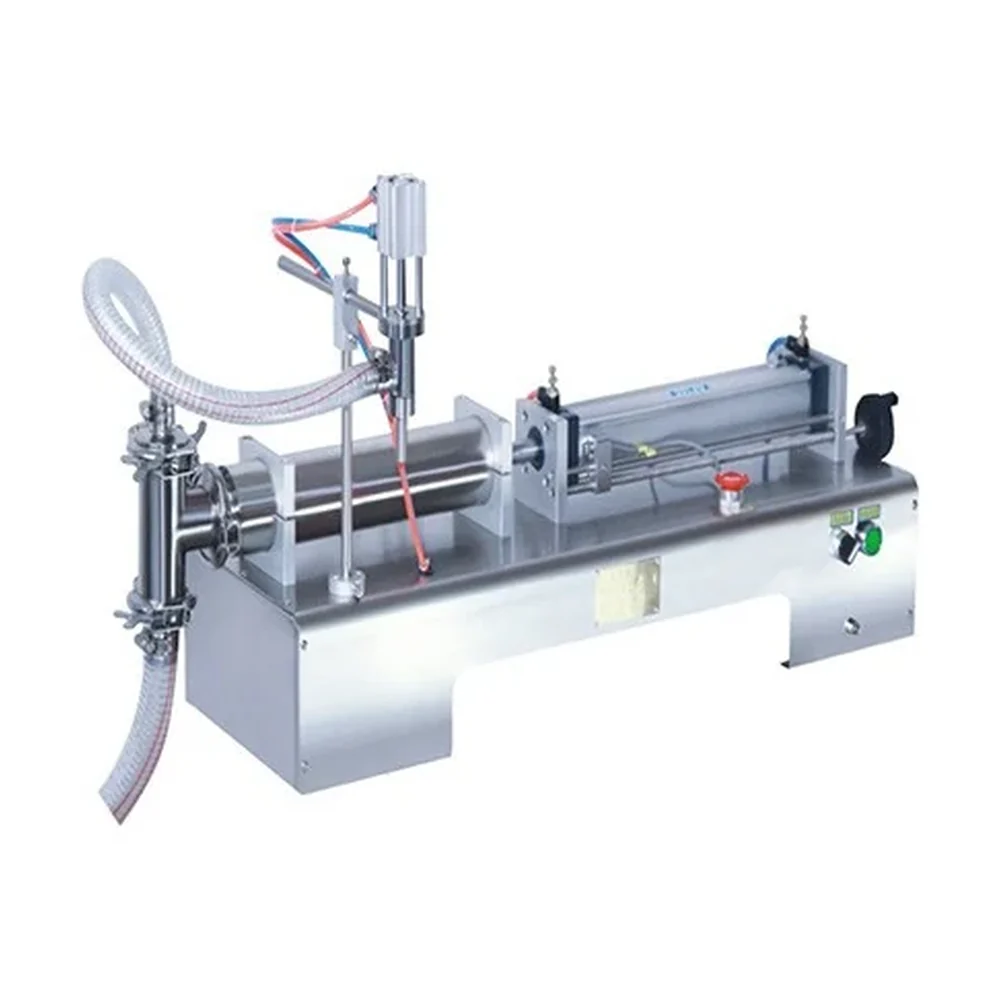
Match the filling method
Free-flowing liquids, viscous products and foaming products require different filling principles and controls. Confirm the required accuracy, cleaning method and whether several fill volumes must run on the same line.
Confirm capping and labeling
Cap geometry, tightening method and bottle stability determine the capping solution. Label material, container shape and label position determine the labeling configuration. Test the real packaging materials before final acceptance.
Plan the complete line
Include conveyors, bottle accumulation, inspection points and the available workshop layout. State the required bottles per minute and show the direction of product flow so each machine can be matched to the same operating target.
Buyer checklist
- Product, bottle, cap and label samples
- Fill-volume range and output
- Cleaning and changeover requirements
- Workshop drawing and utility supply
- Acceptance products and packaging materials
Related machines and project evidence
Compare the relevant Longteng equipment category. For a specific machine or real application, review Indonesia peanut oil filling line case.