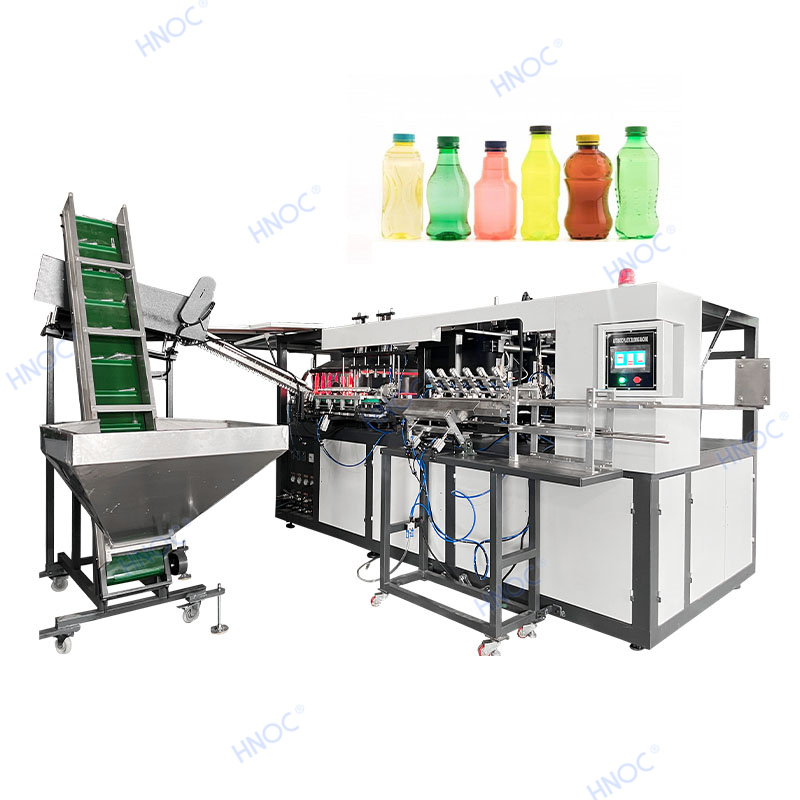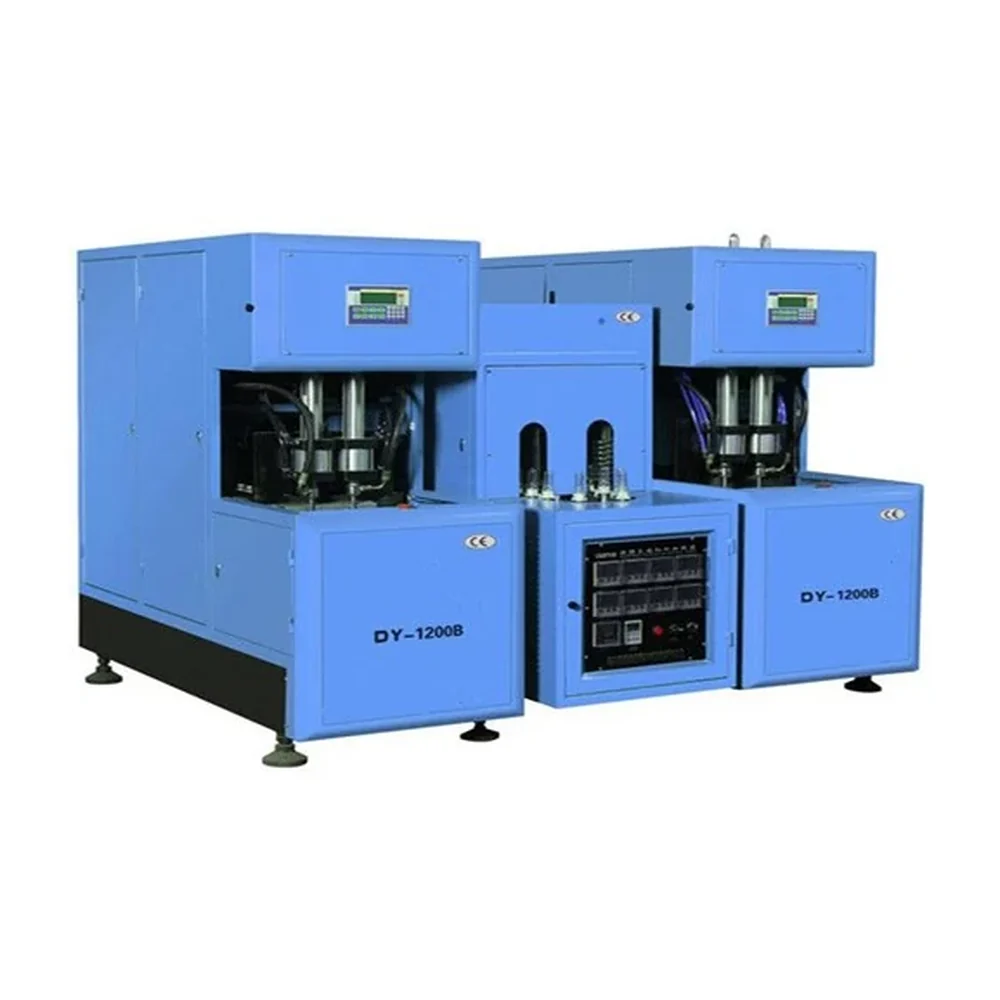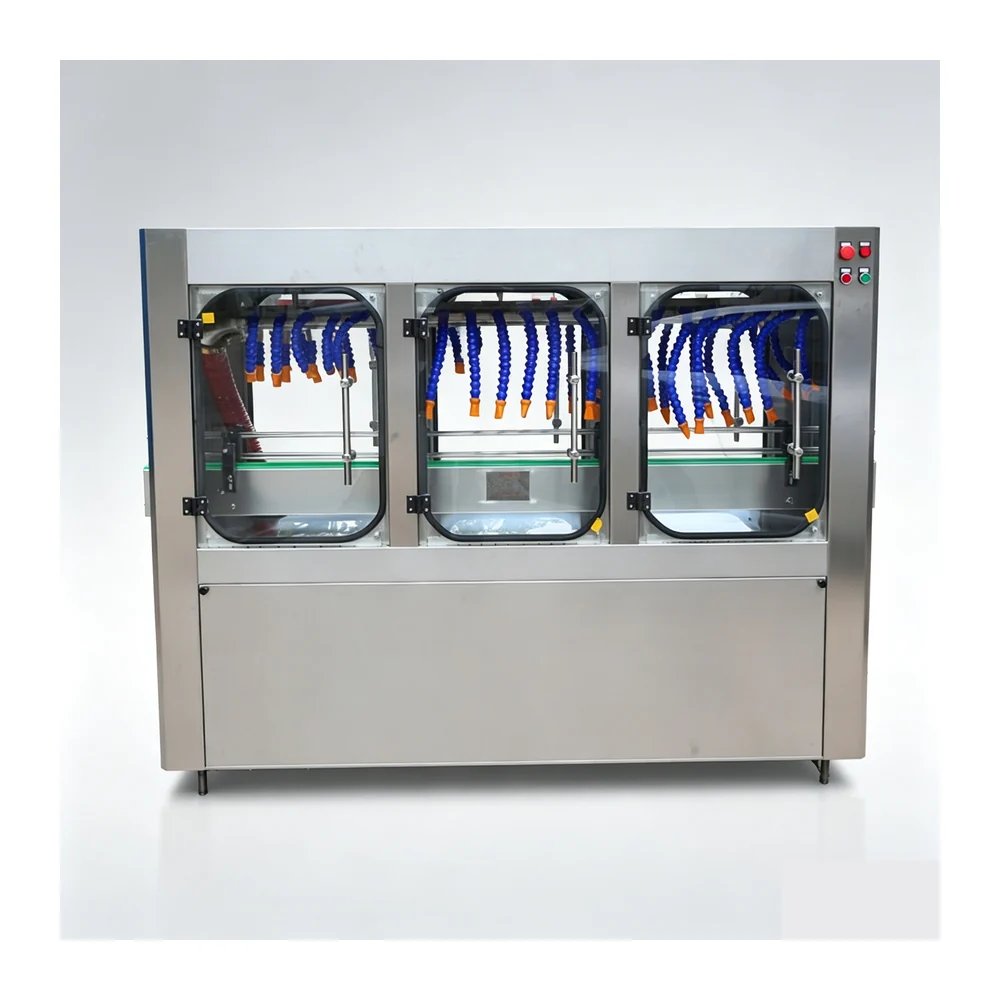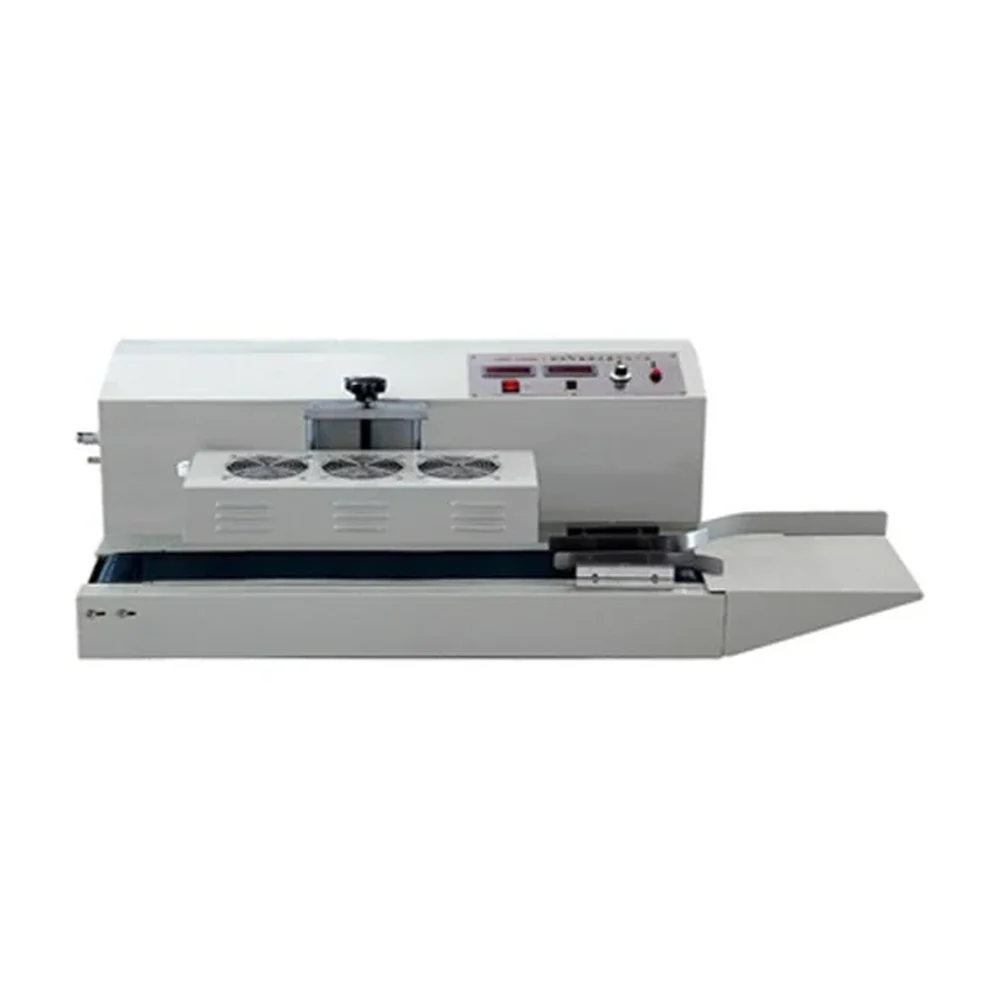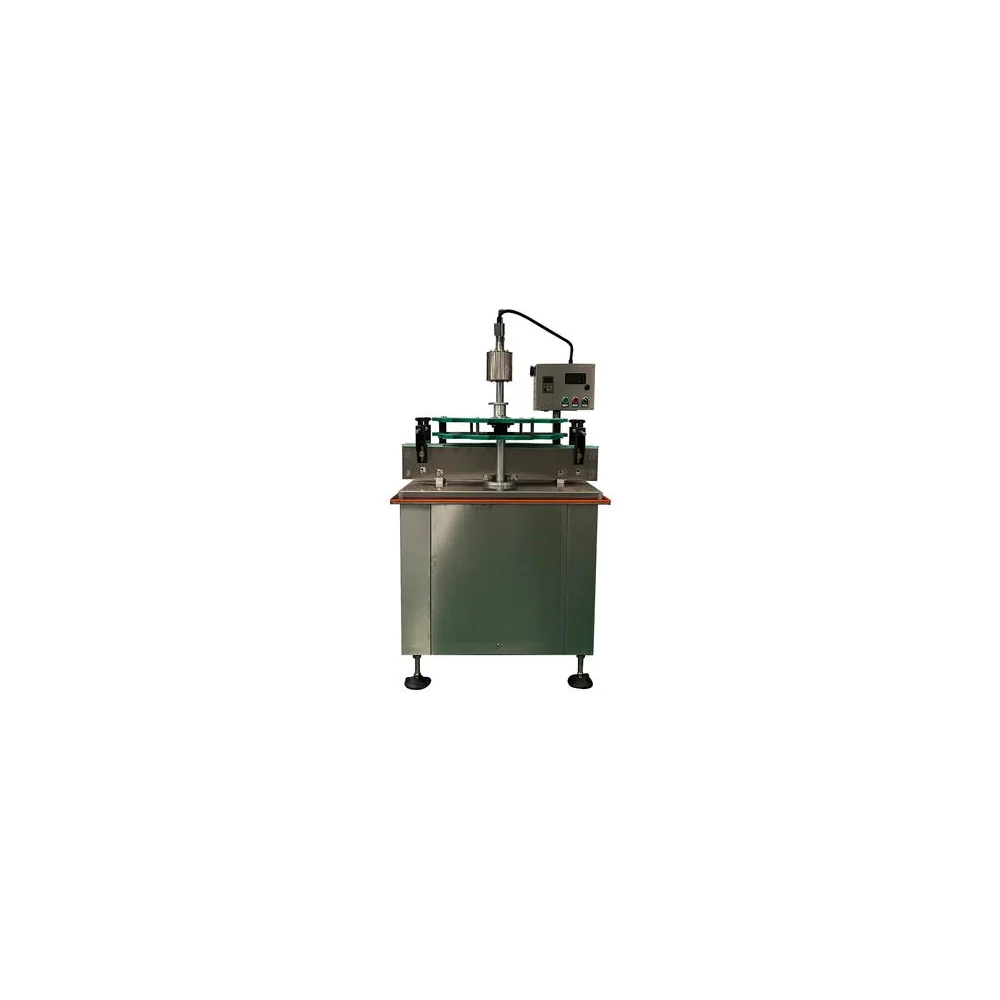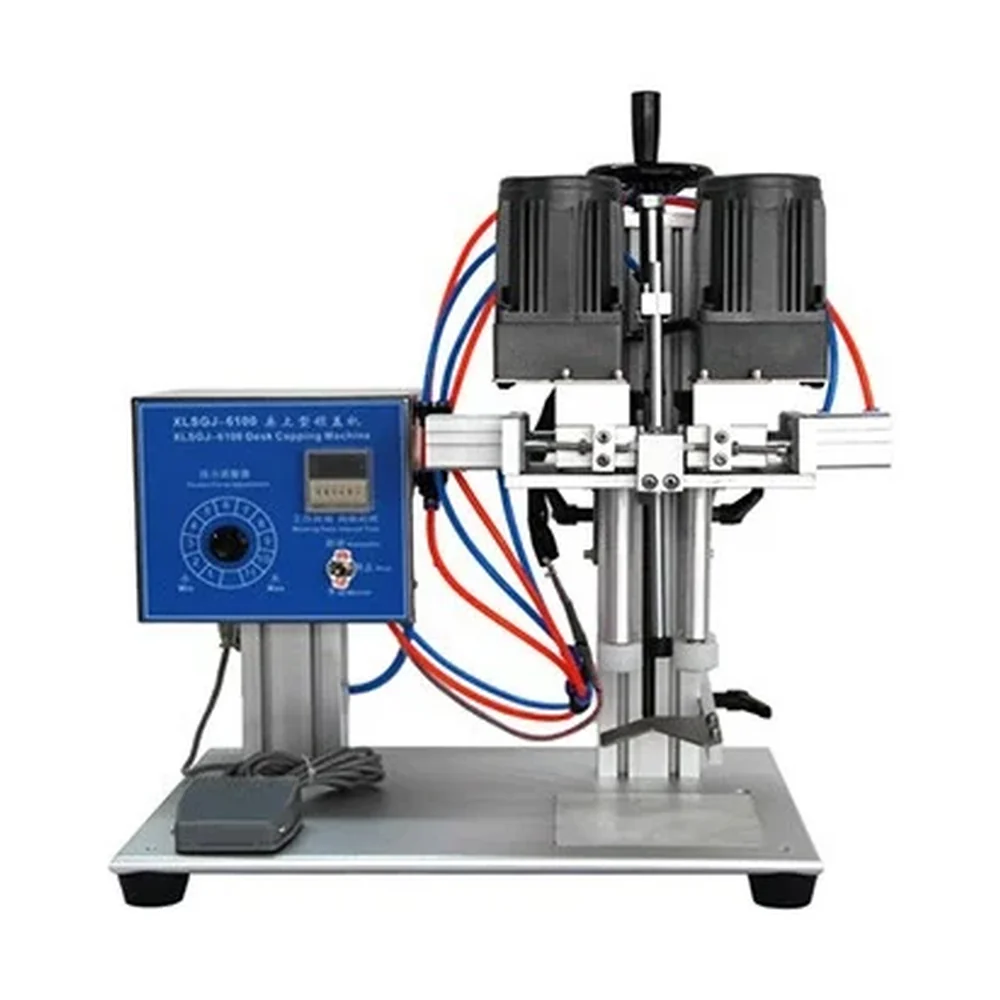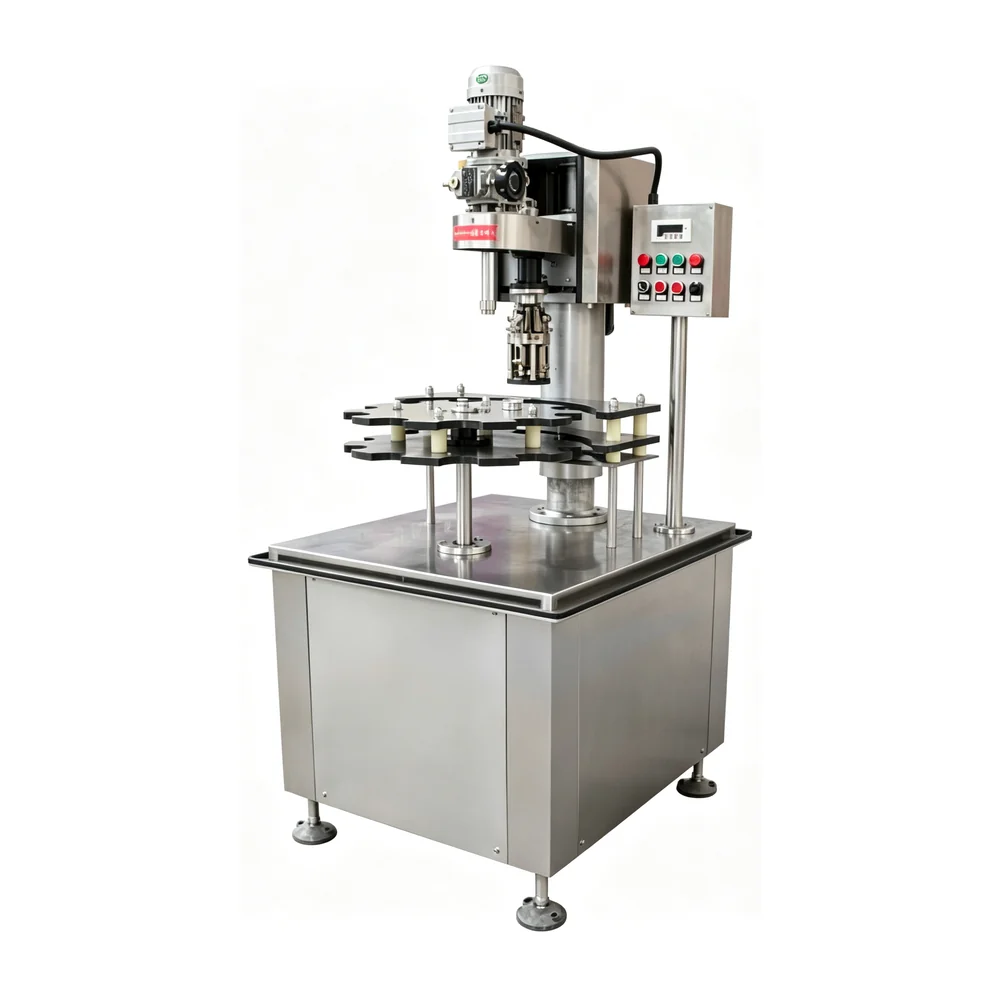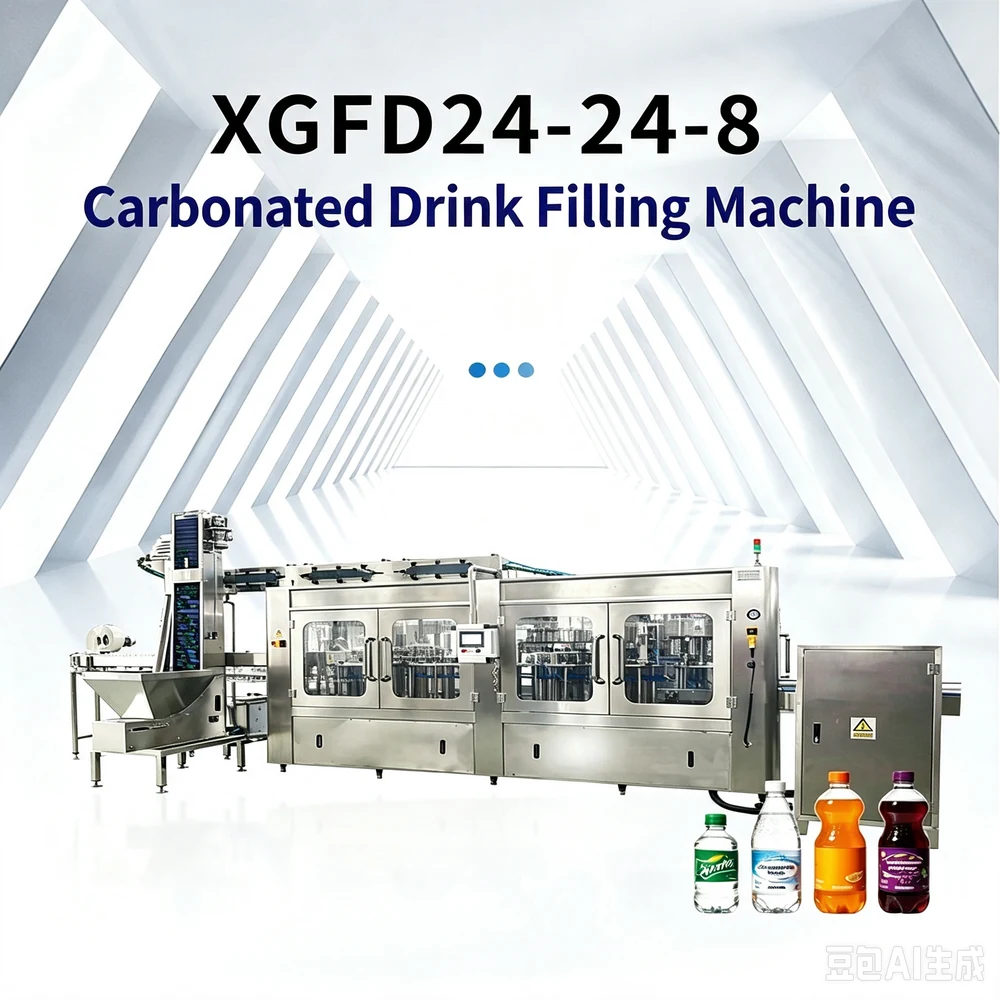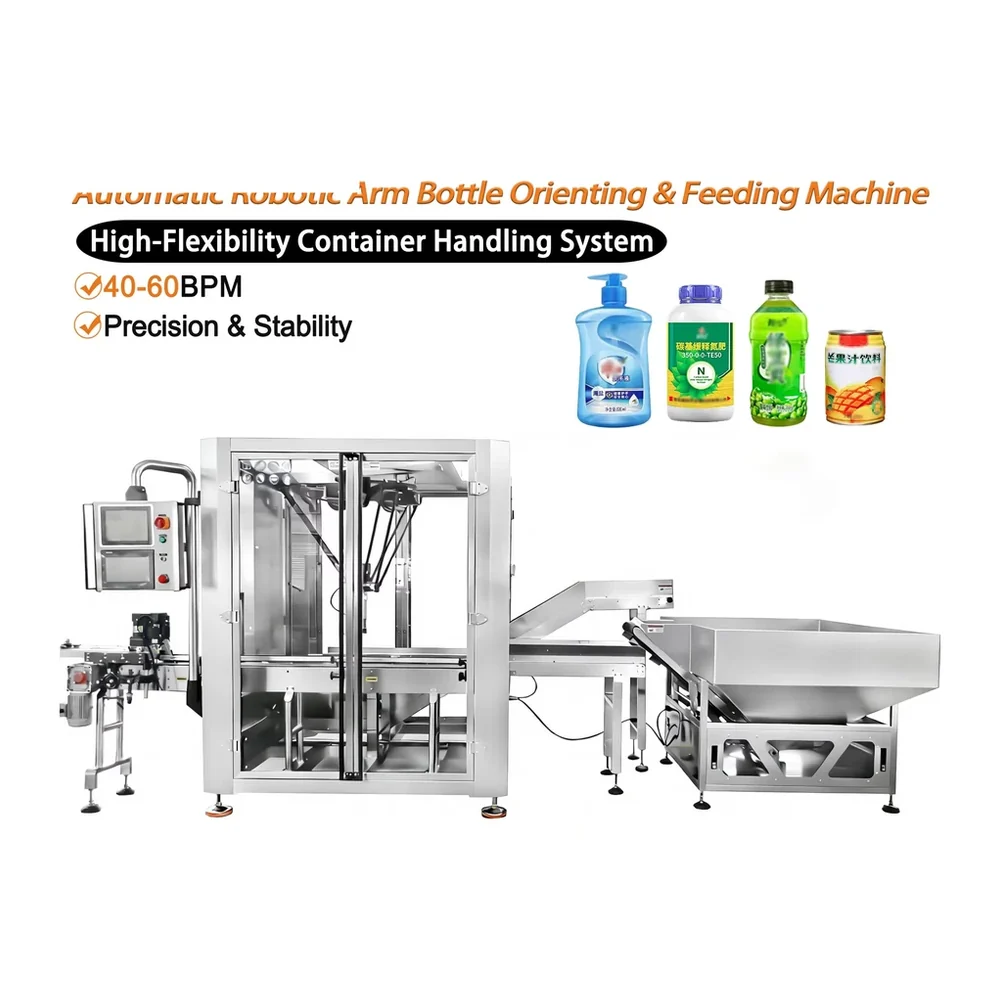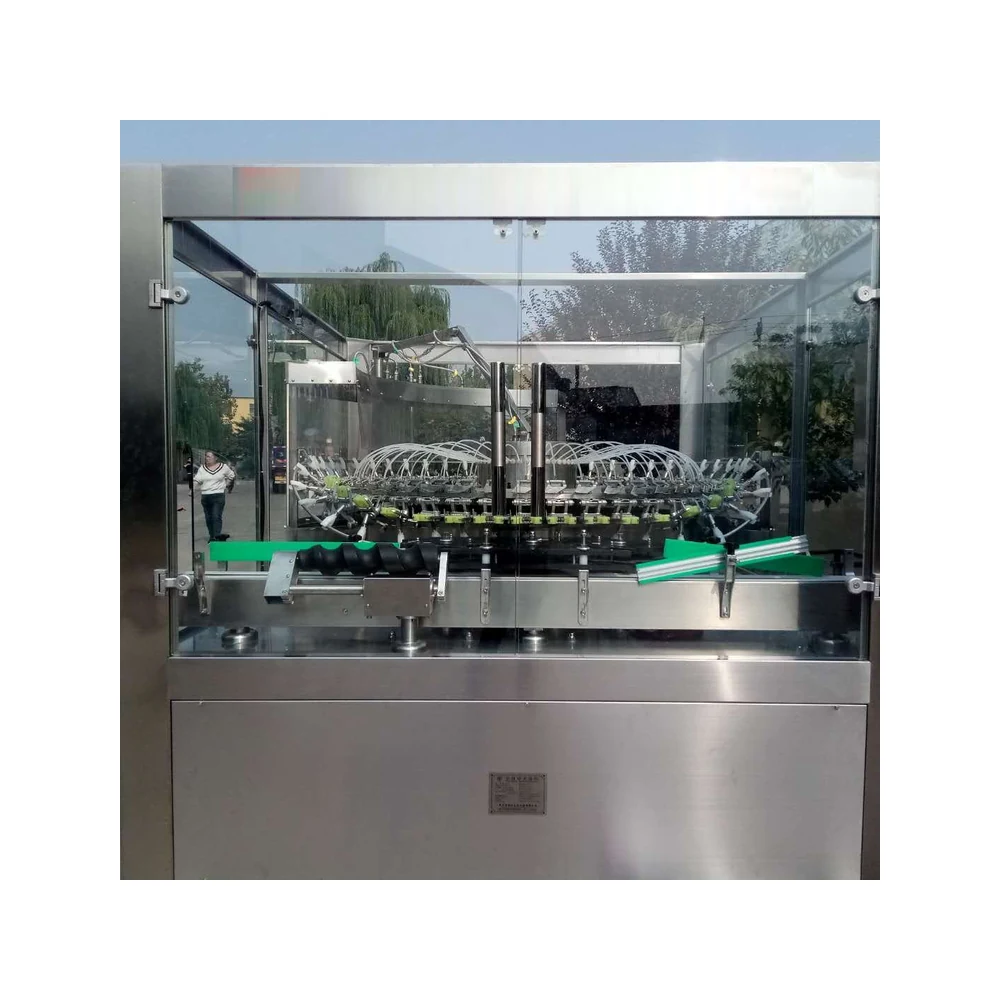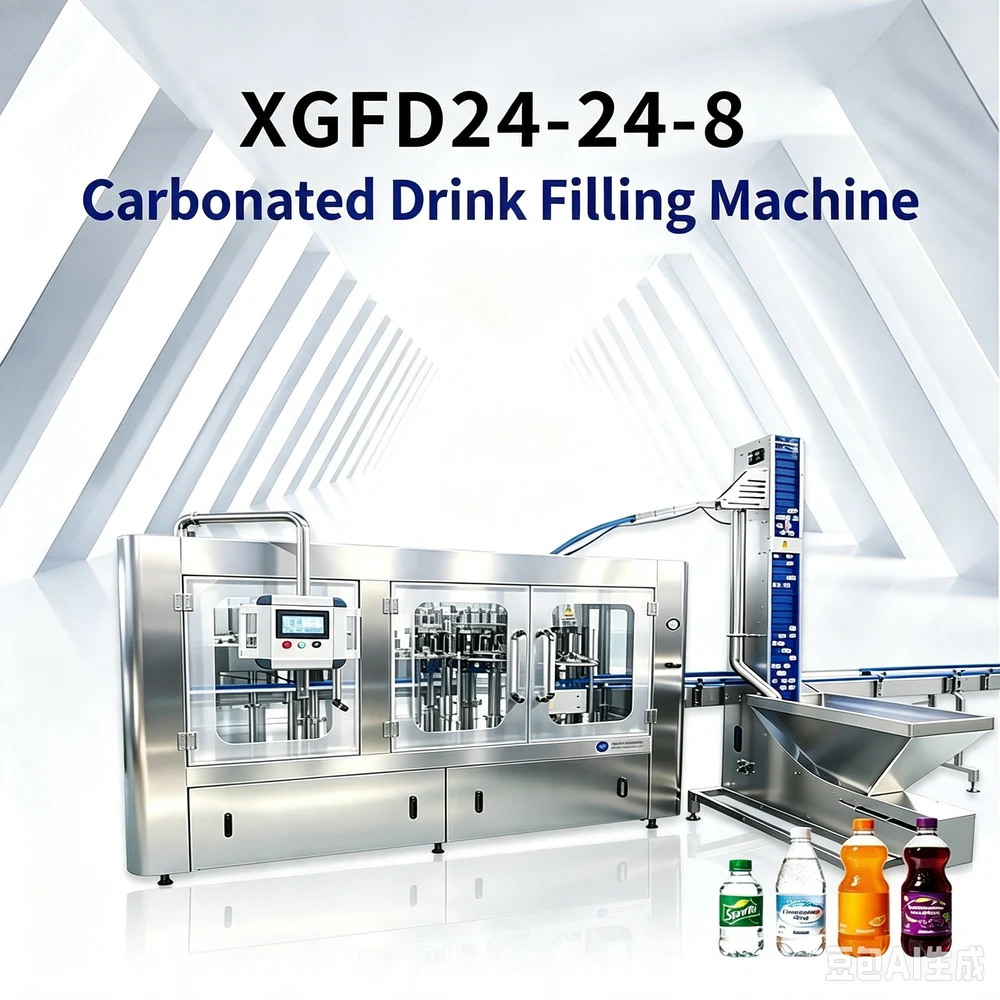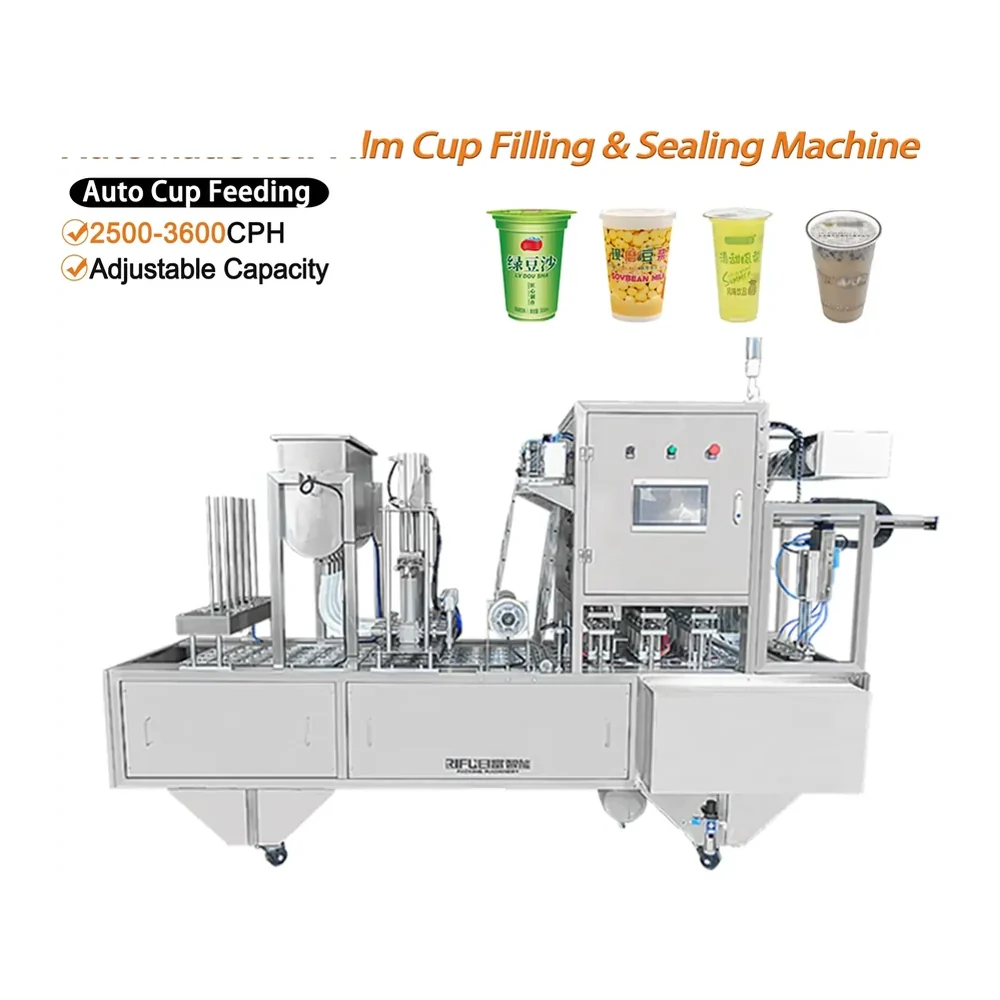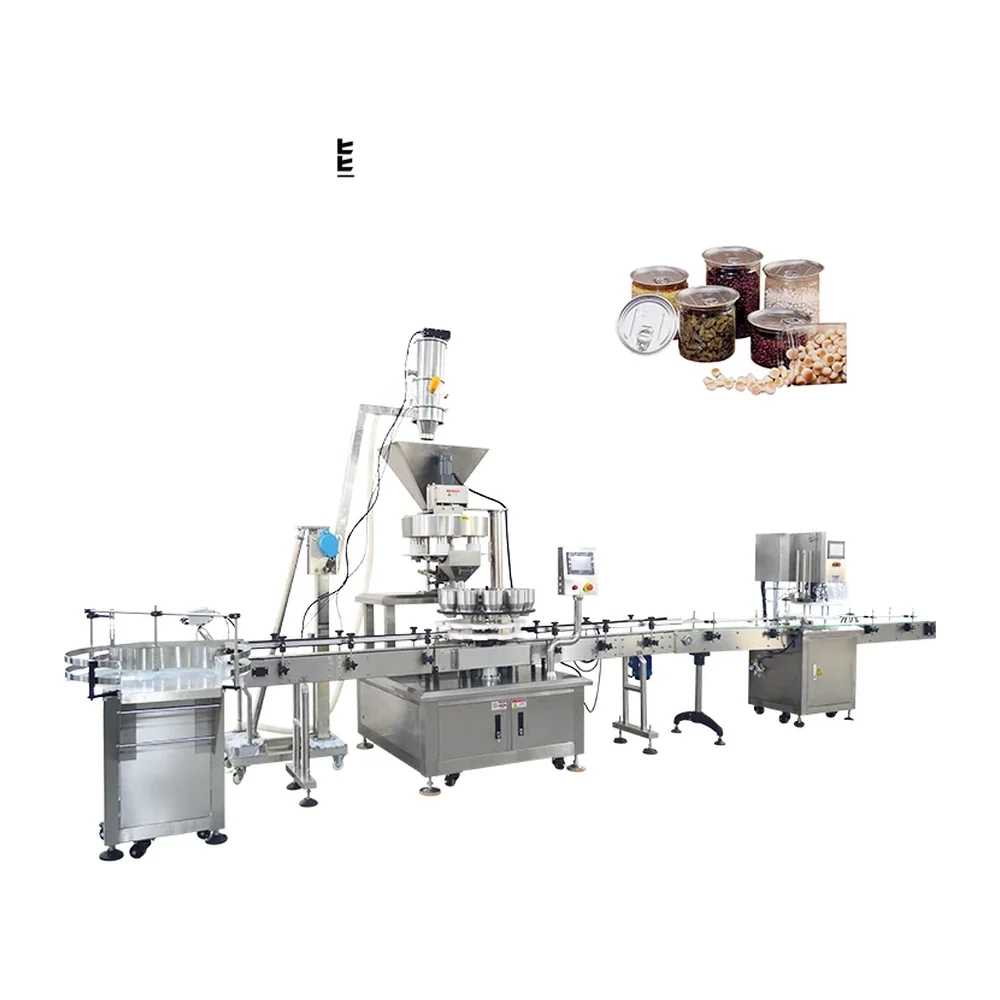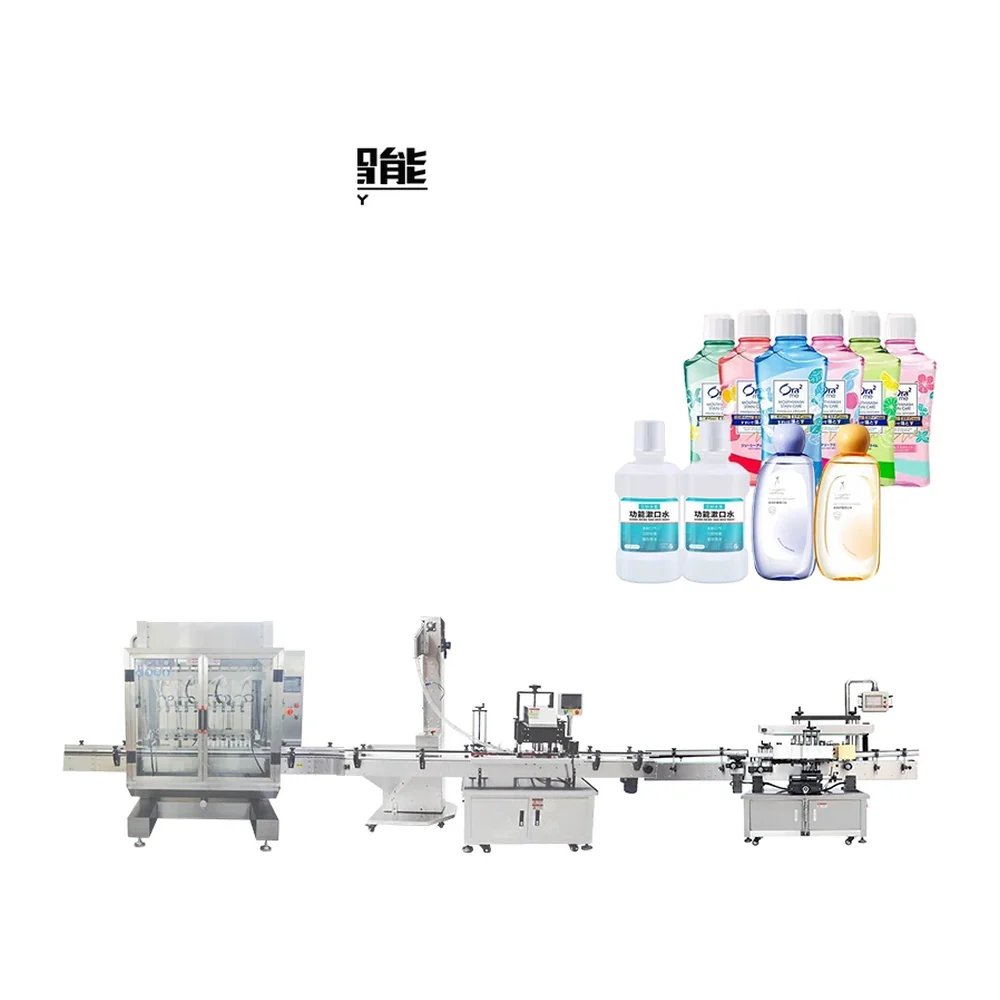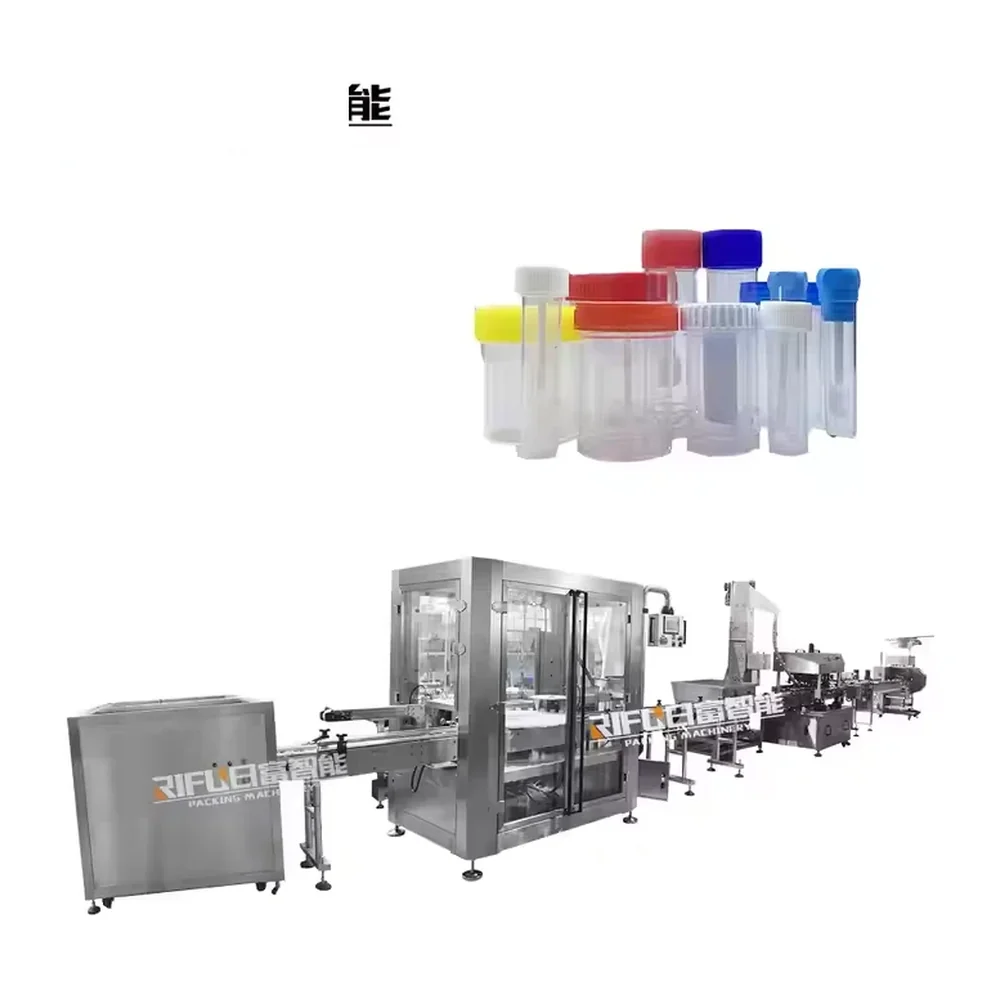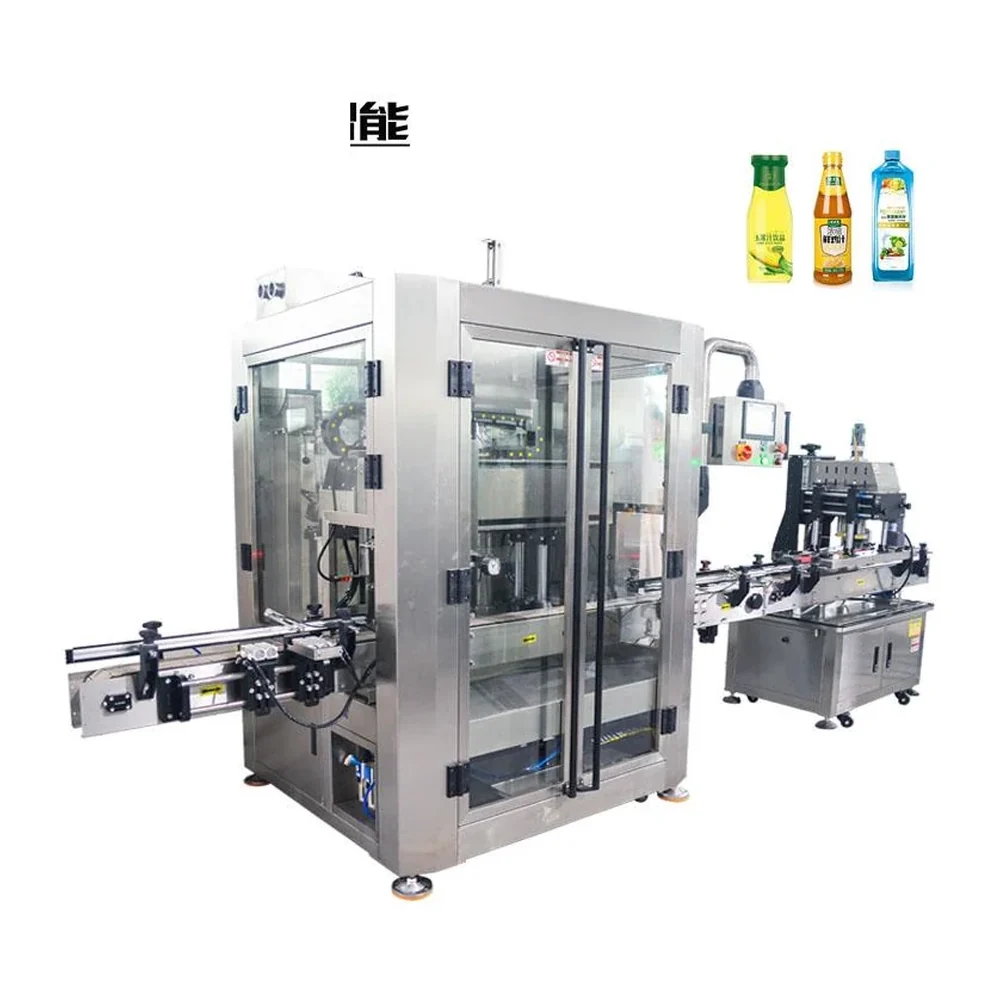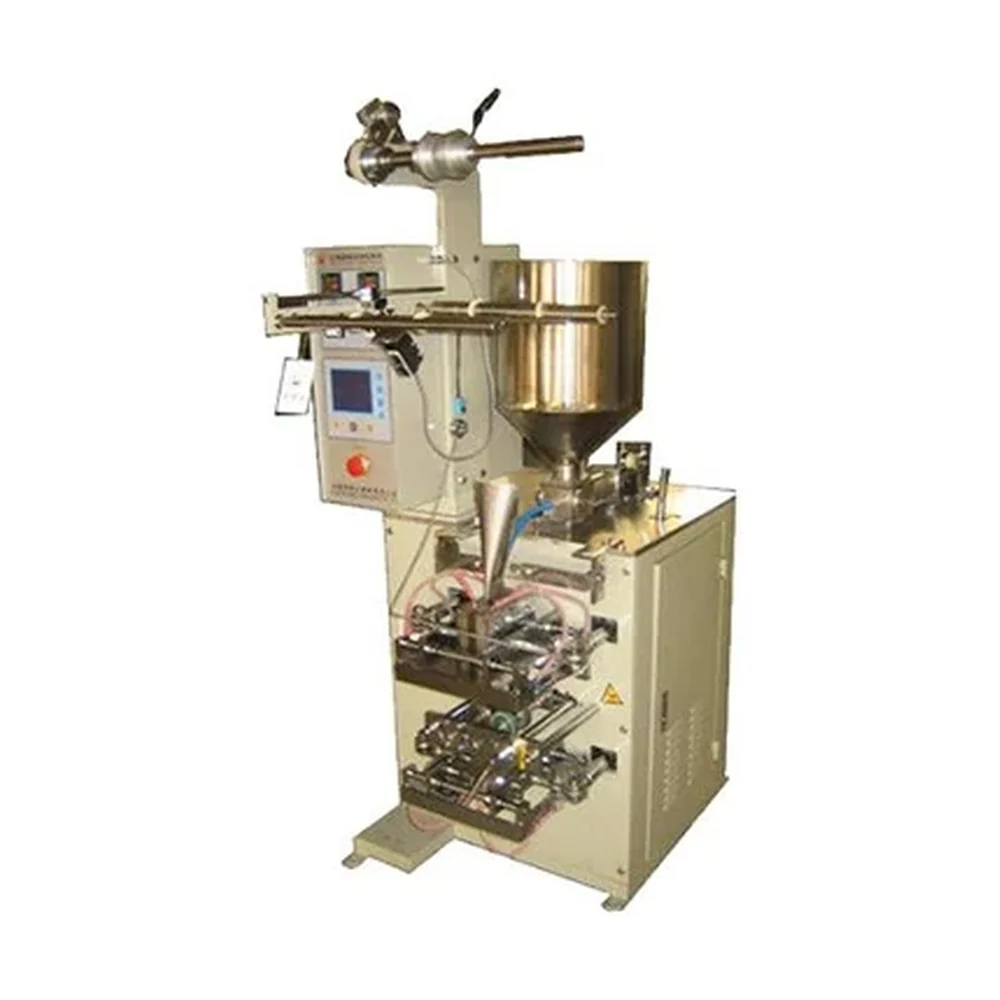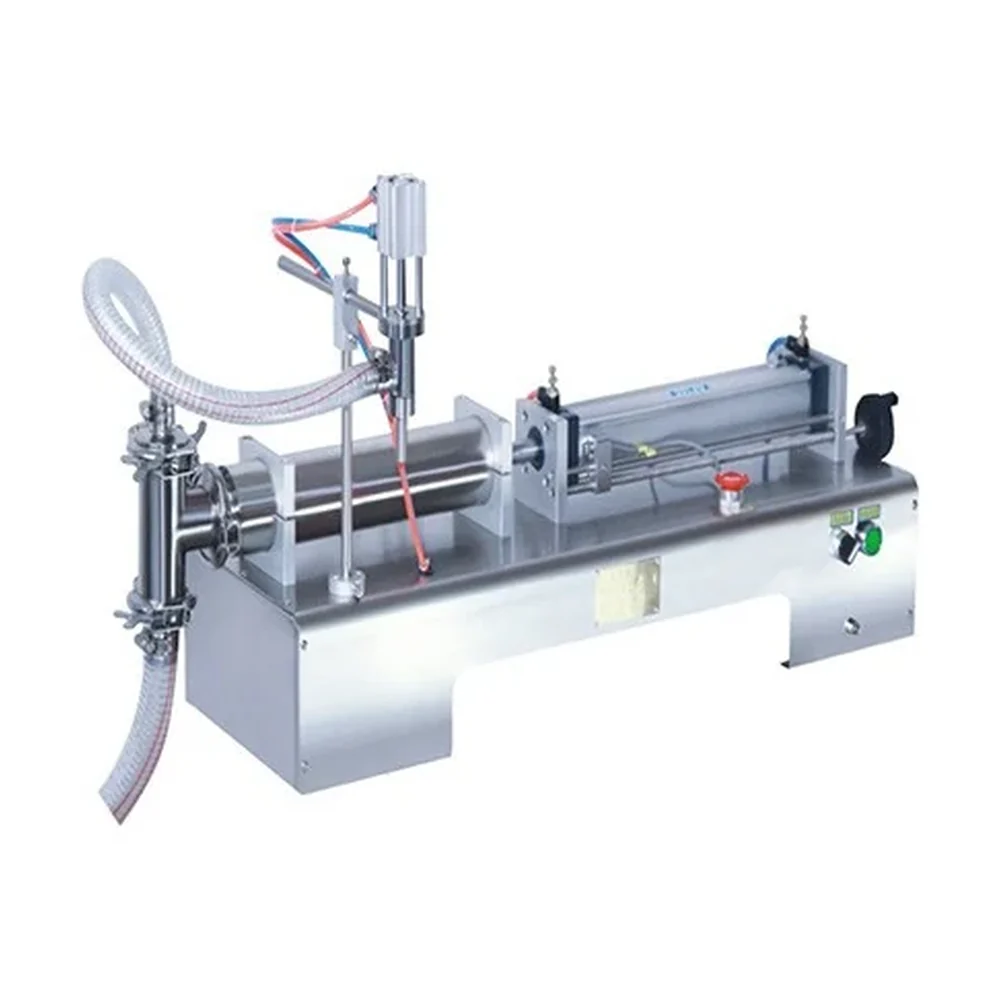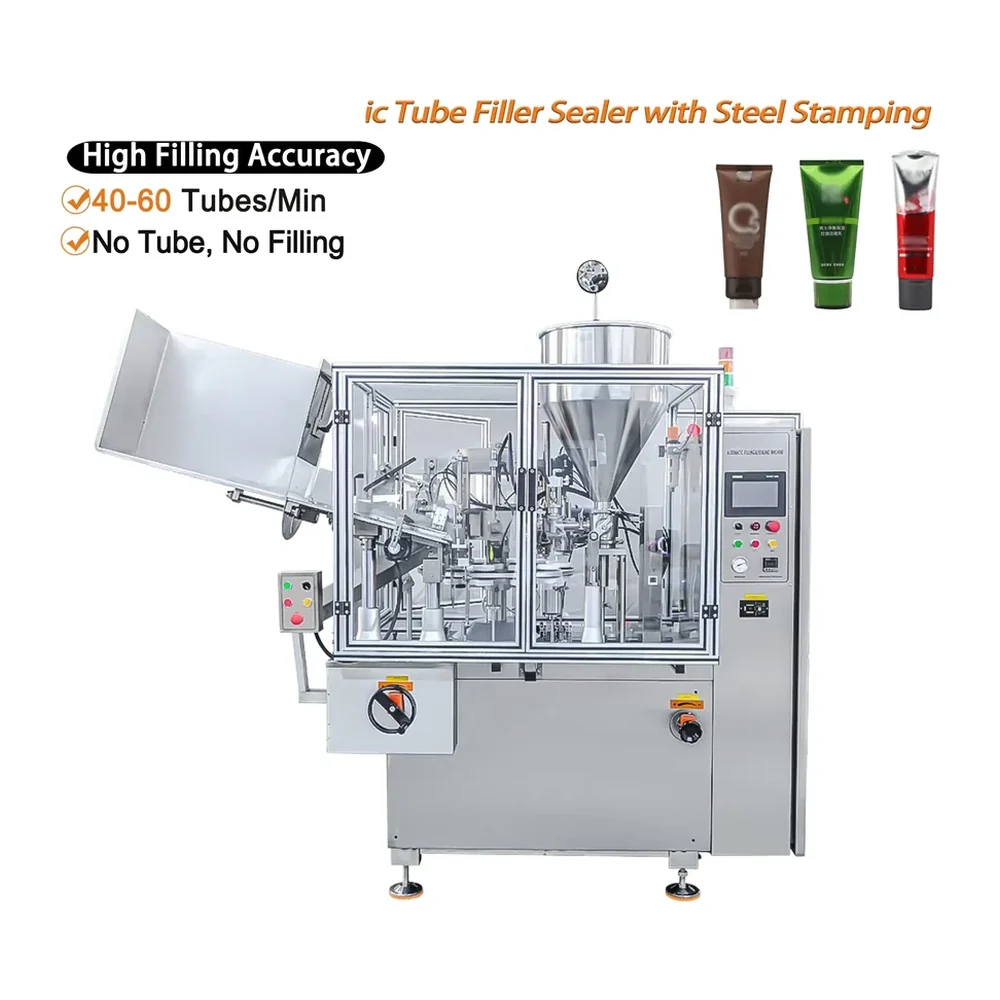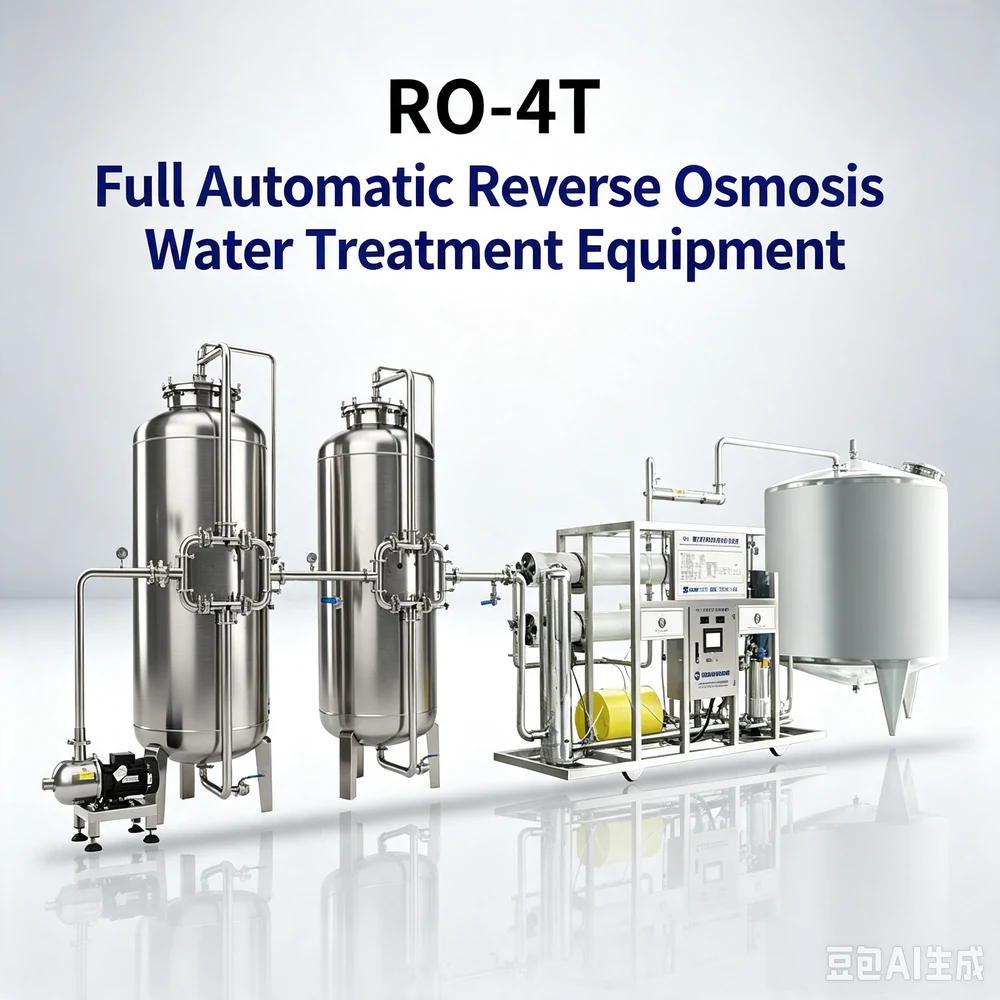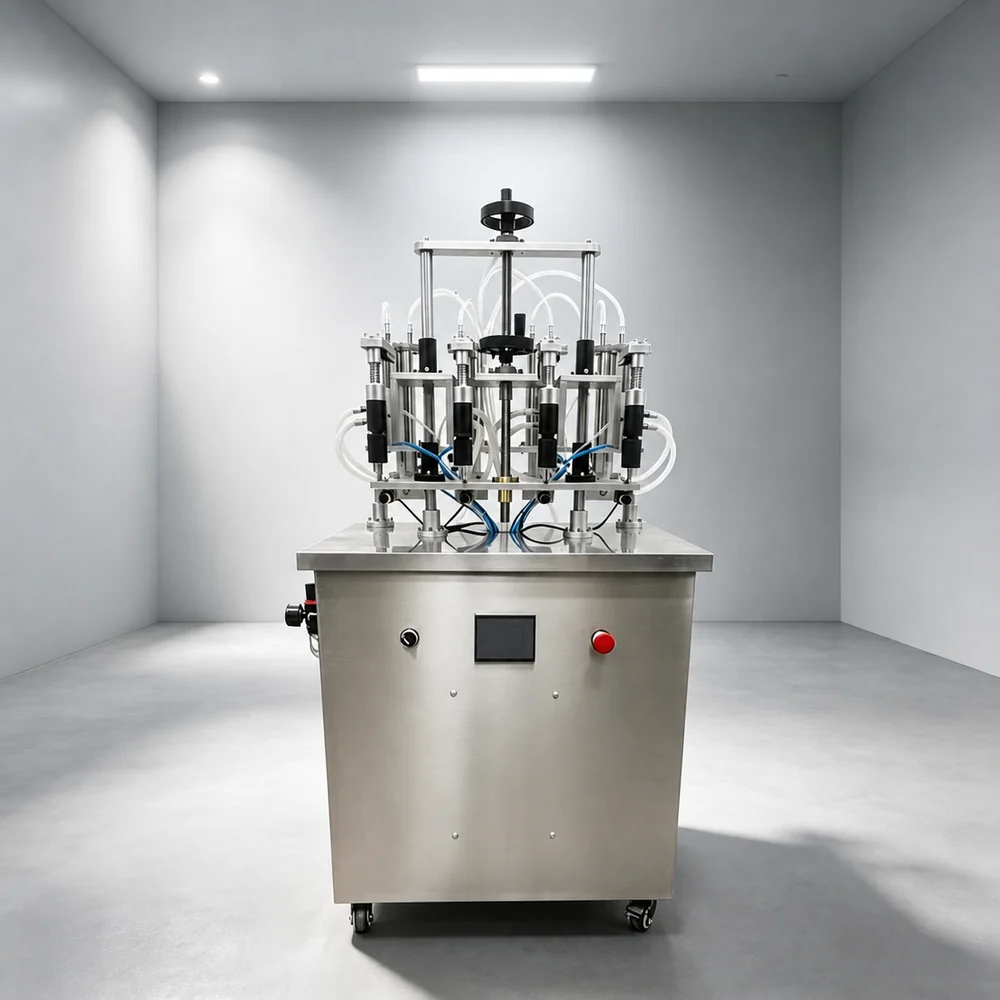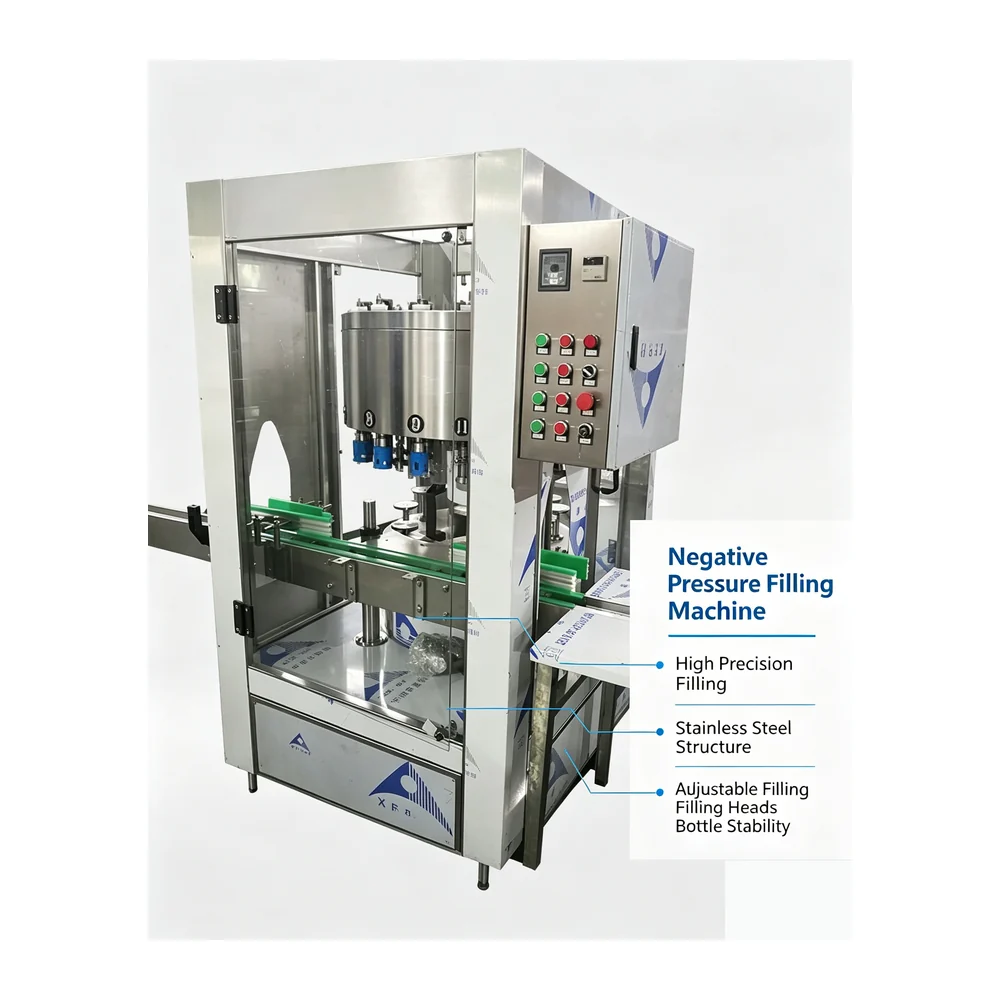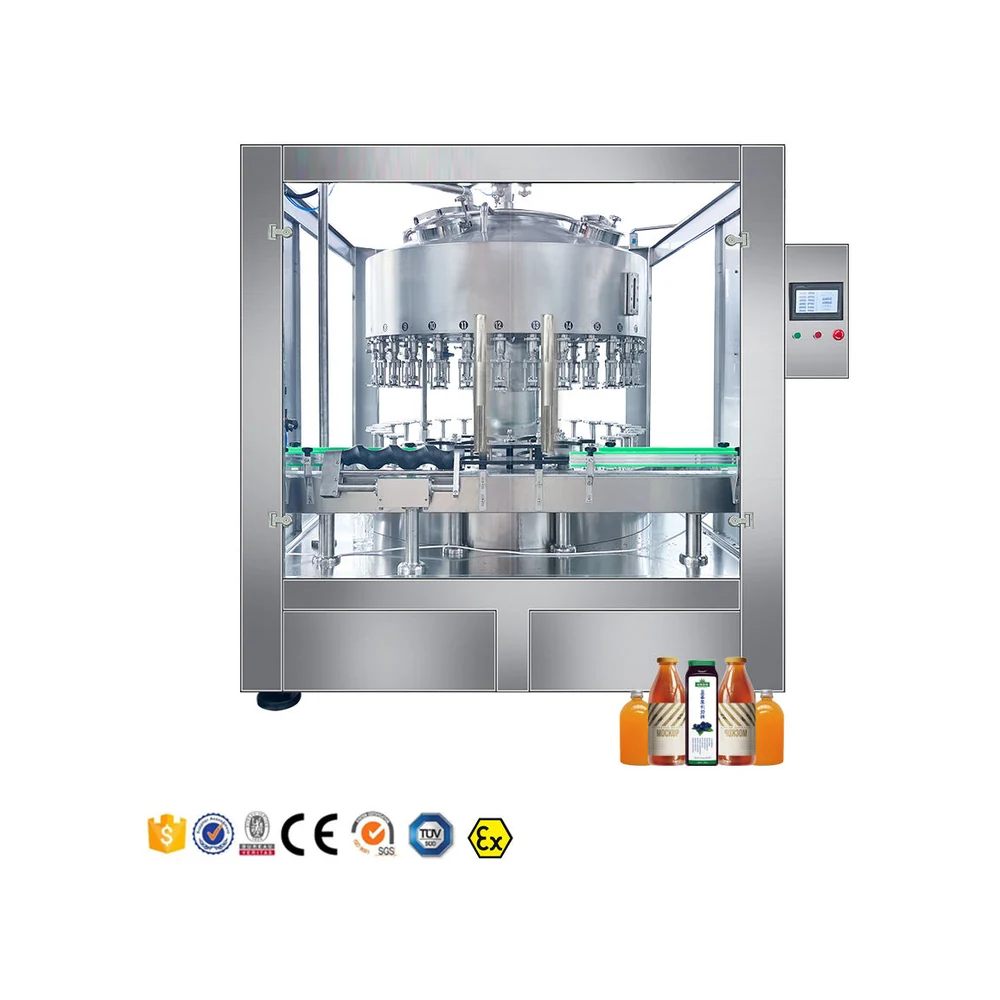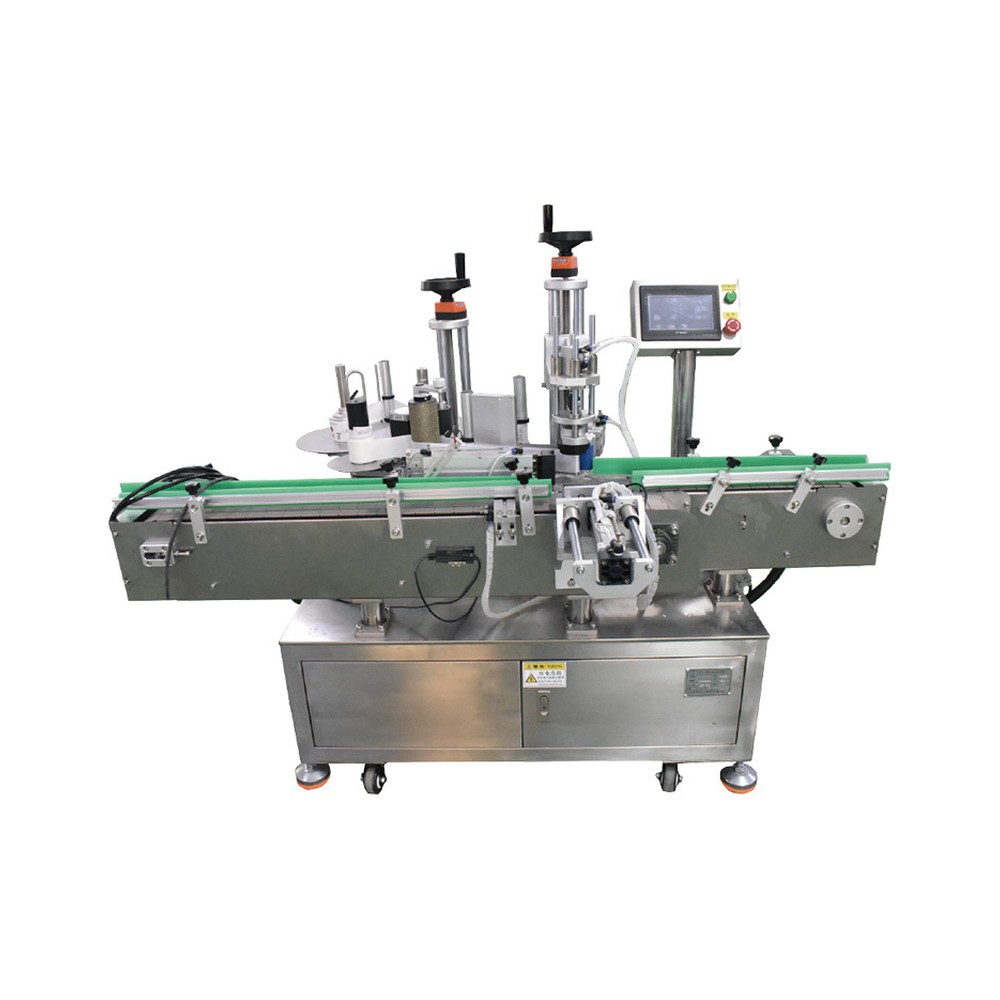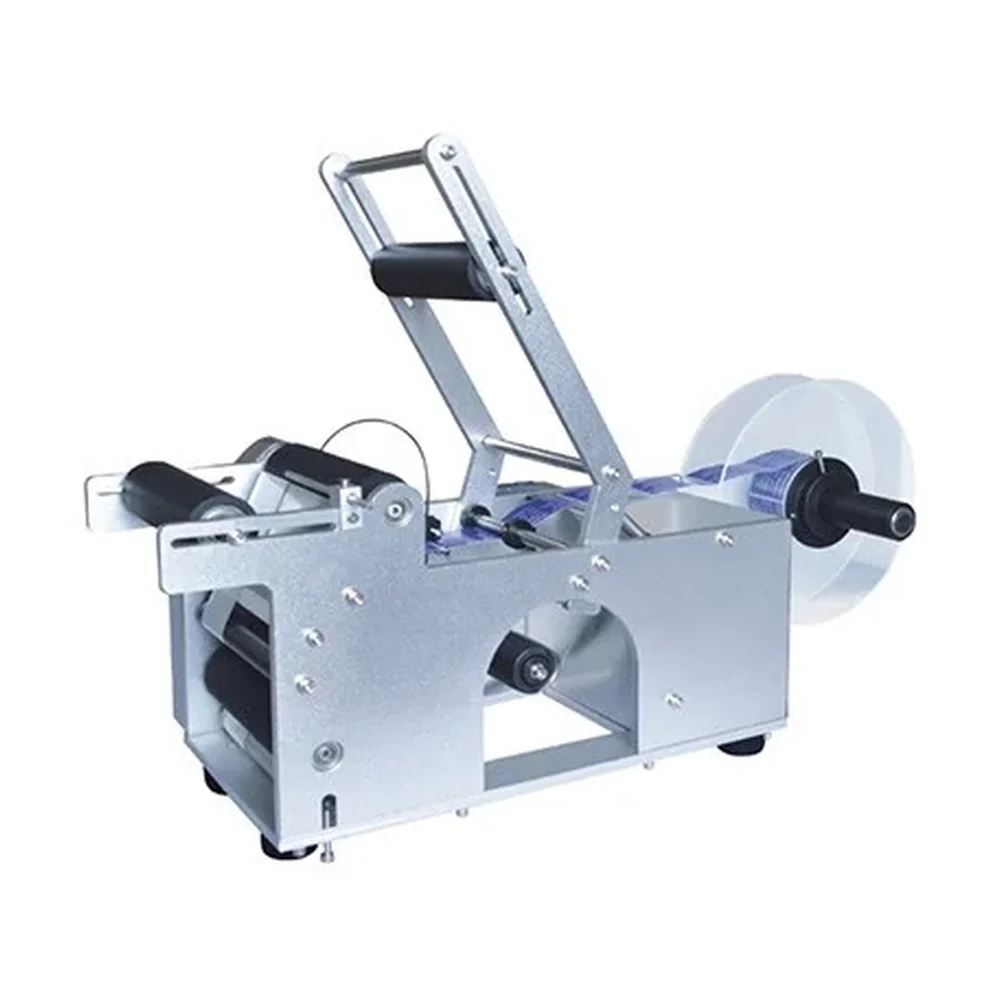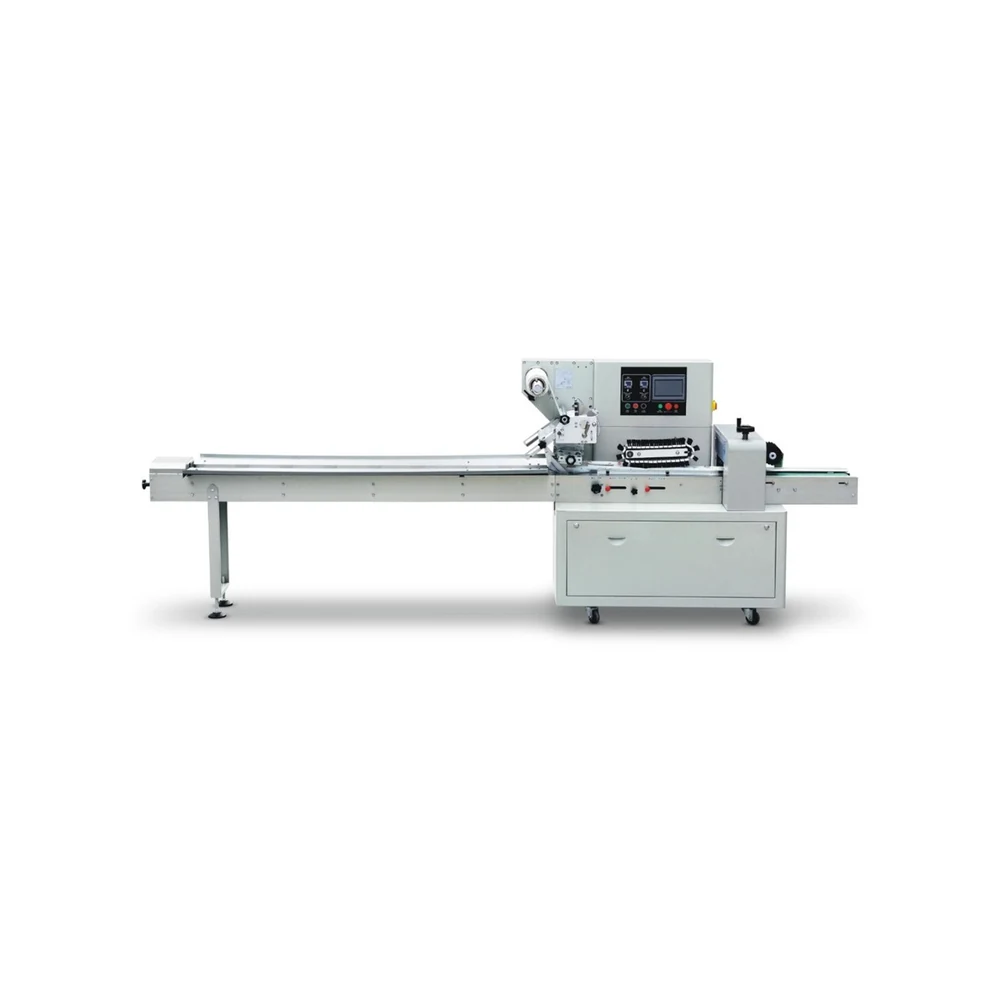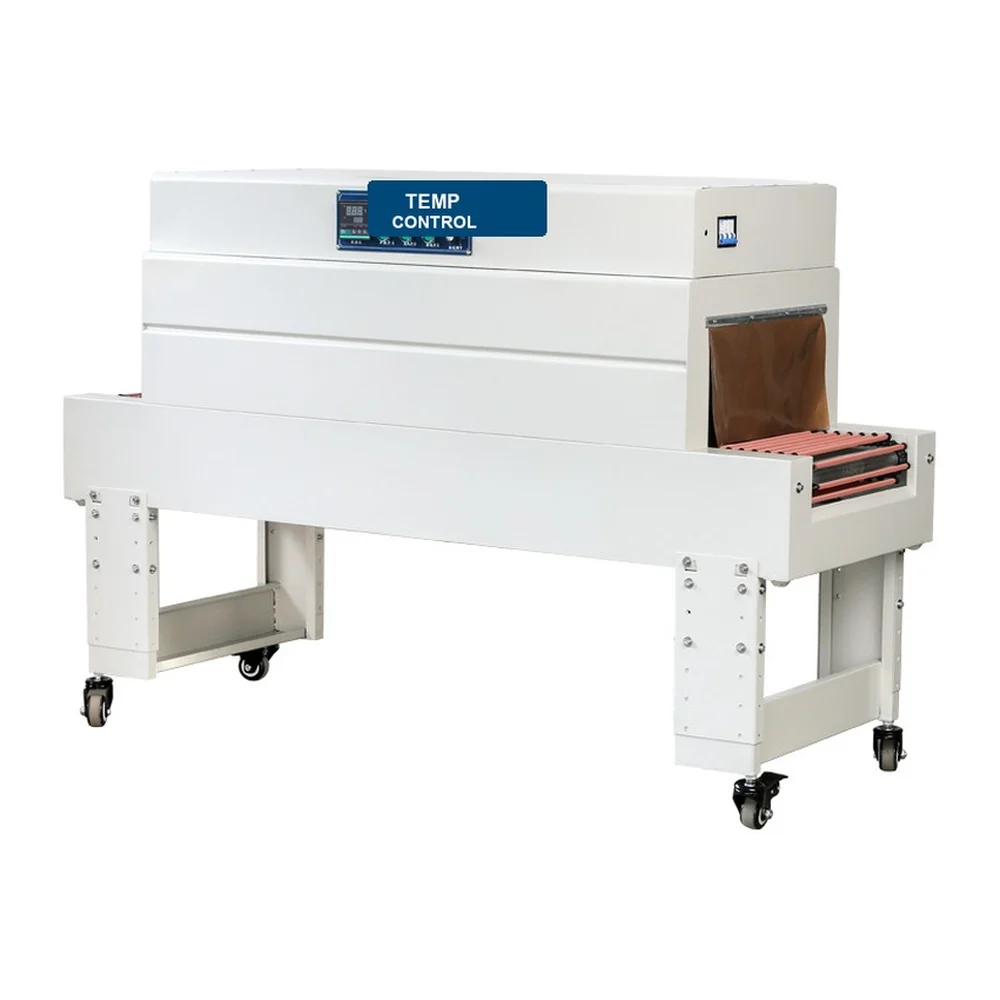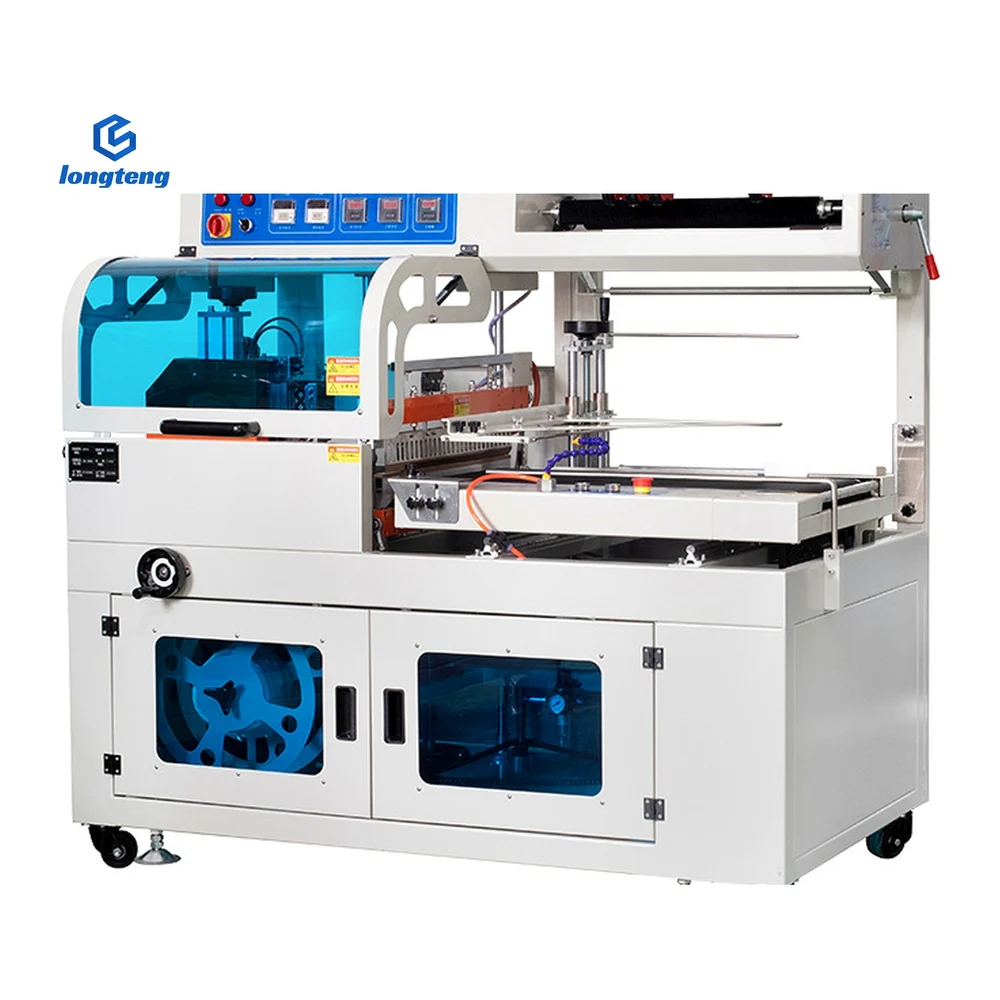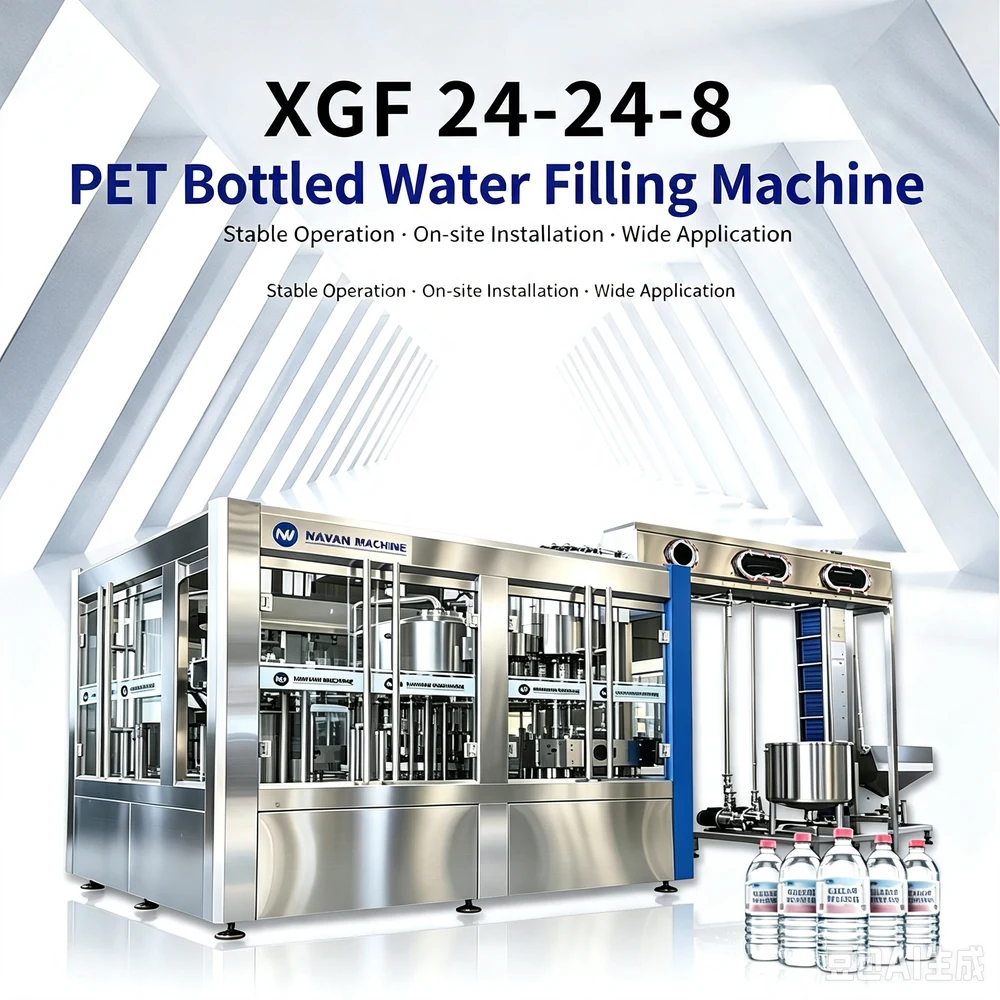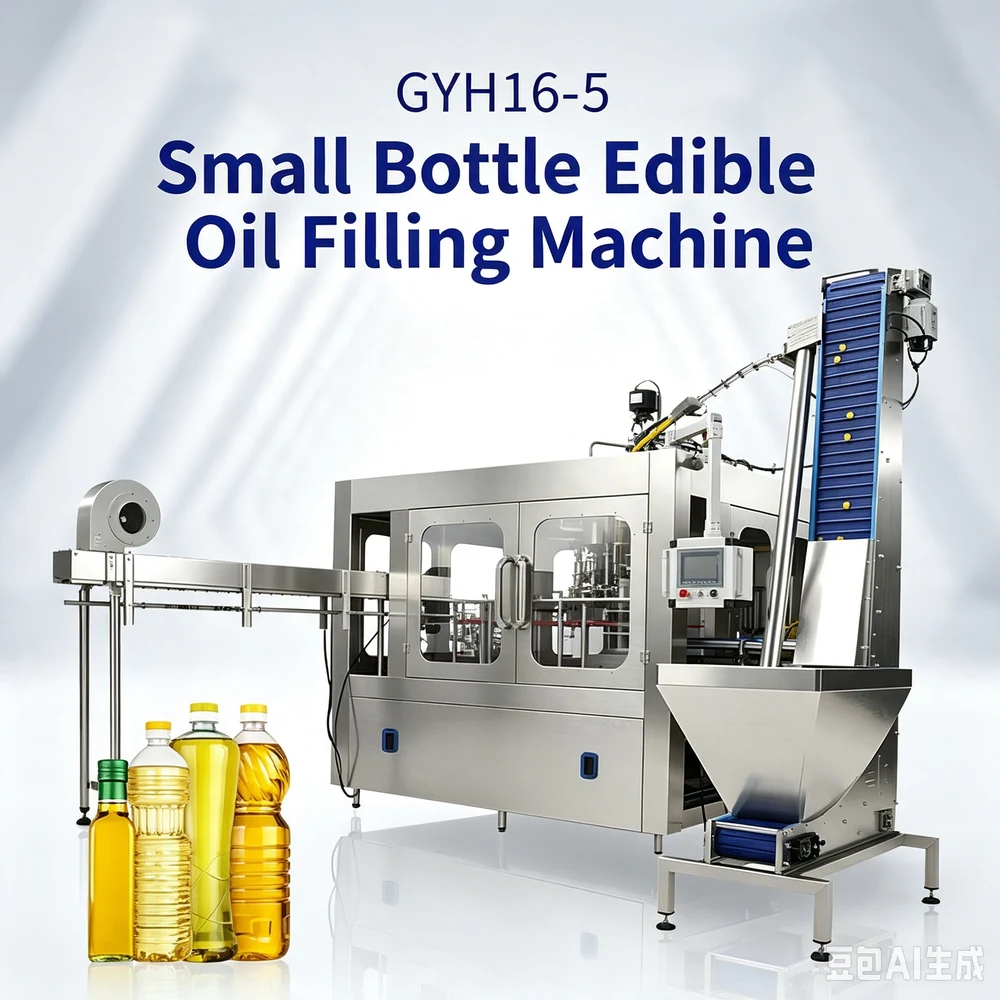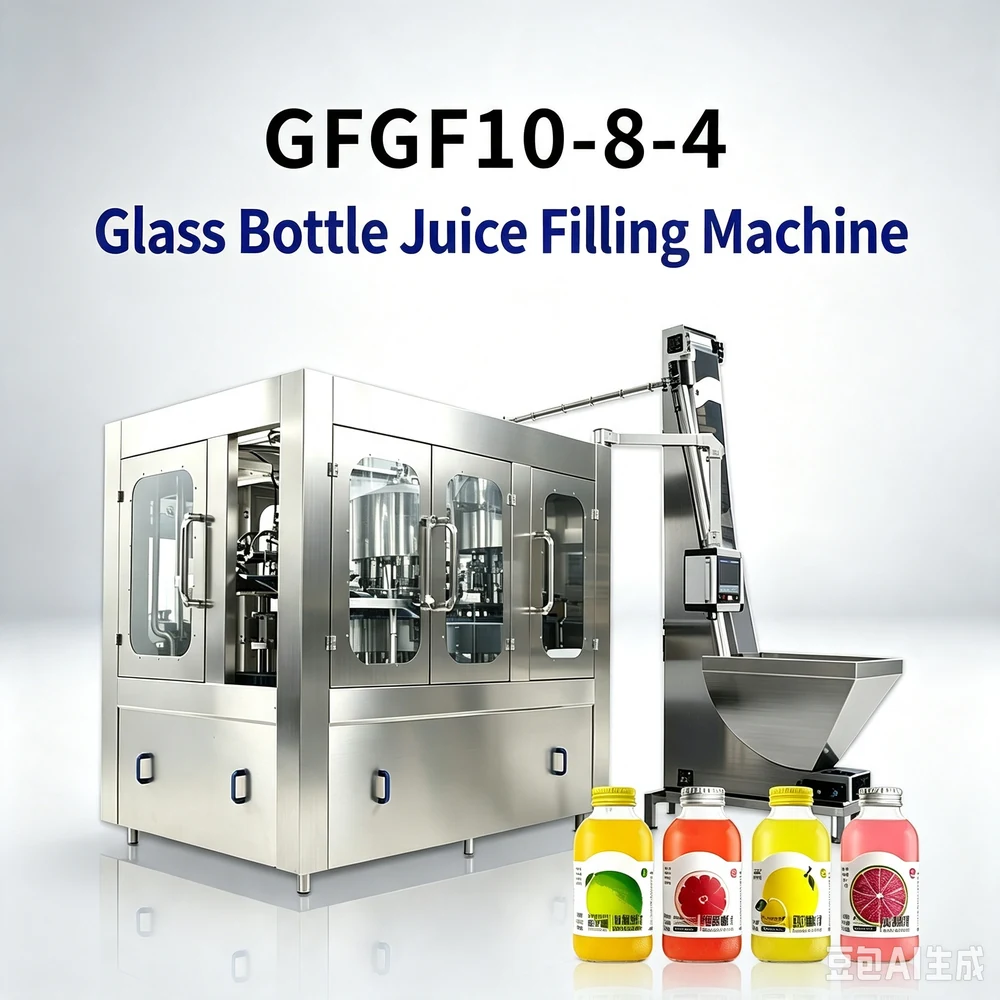
Choosing a liquid filling machine is not only about the number of filling heads. Buyers need to confirm product viscosity, bottle shape, filling volume, cap type, target output and the level of automation required. A suitable filling machine should match the product material and also connect smoothly with capping, labeling and conveying equipment.
Start with the product material
Thin liquids, edible oil, syrup, sauce, paste and daily chemical liquids may require different filling structures. Low-viscosity products often focus on speed and anti-drip performance, while viscous products need stable filling accuracy and suitable pump or piston configuration.
Check bottle and jar compatibility
Send bottle photos, bottle height, diameter, mouth size and cap type before quotation. These details affect filling nozzle position, conveyor stability and whether the line needs bottle guiding, capping or labeling adjustments.
Decide between a single machine and a full line
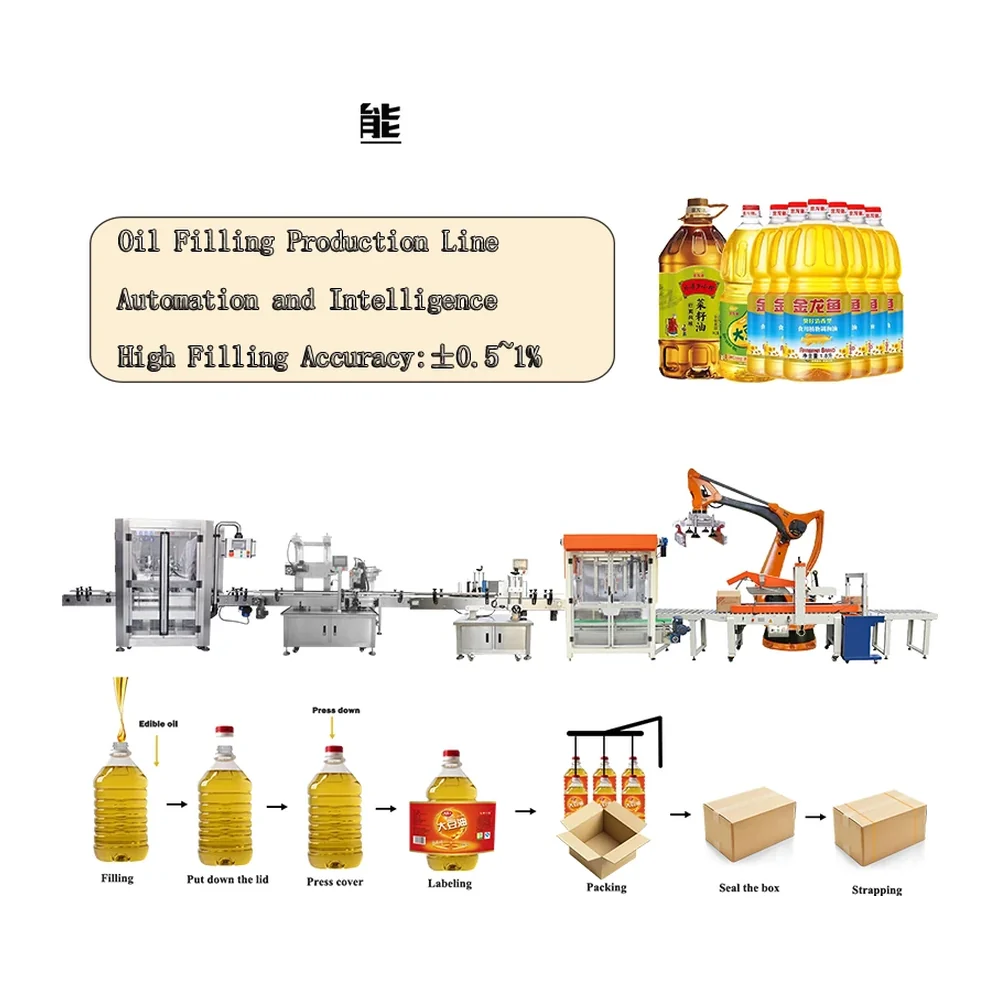
A small factory may start with a single filling machine, but a production line usually includes filling, capping, labeling, date coding and conveyors. For connected systems, see Longteng Filling Solutions.
Information to prepare before buying
- Product name and viscosity
- Filling volume range
- Bottle or jar size
- Cap type and labeling requirement
- Expected output per hour
For edible oil and similar bottle products, review our Oil Filling Lines and related filling machine options.
Classify the liquid before choosing a filler
Water-like products, oils, sauces and chemical liquids behave differently during filling. Record viscosity, foaming, particles, filling temperature and compatibility with product-contact materials. These facts determine the practical filling principle and nozzle design.
Check the container and filling range
Provide bottle or jar samples and drawings, including the opening size and container stability. Confirm the smallest and largest fill volume and the required accuracy. A wide format range may need guides, nozzles or recipes for changeover.
Plan cleaning and production
Explain how often the product changes and how the contact path must be cleaned. State the required containers per minute, but also include upstream supply and downstream capping or labeling because the complete line must operate at a compatible speed.
Supplier checklist
- Product safety and flow information
- Container samples and drawings
- Fill-volume range and accuracy
- Target output
- Cleaning, utility and line-layout requirements
Related machines and project evidence
Compare the relevant Longteng equipment category. For a specific machine or real application, review edible-oil filling, capping and labeling line.