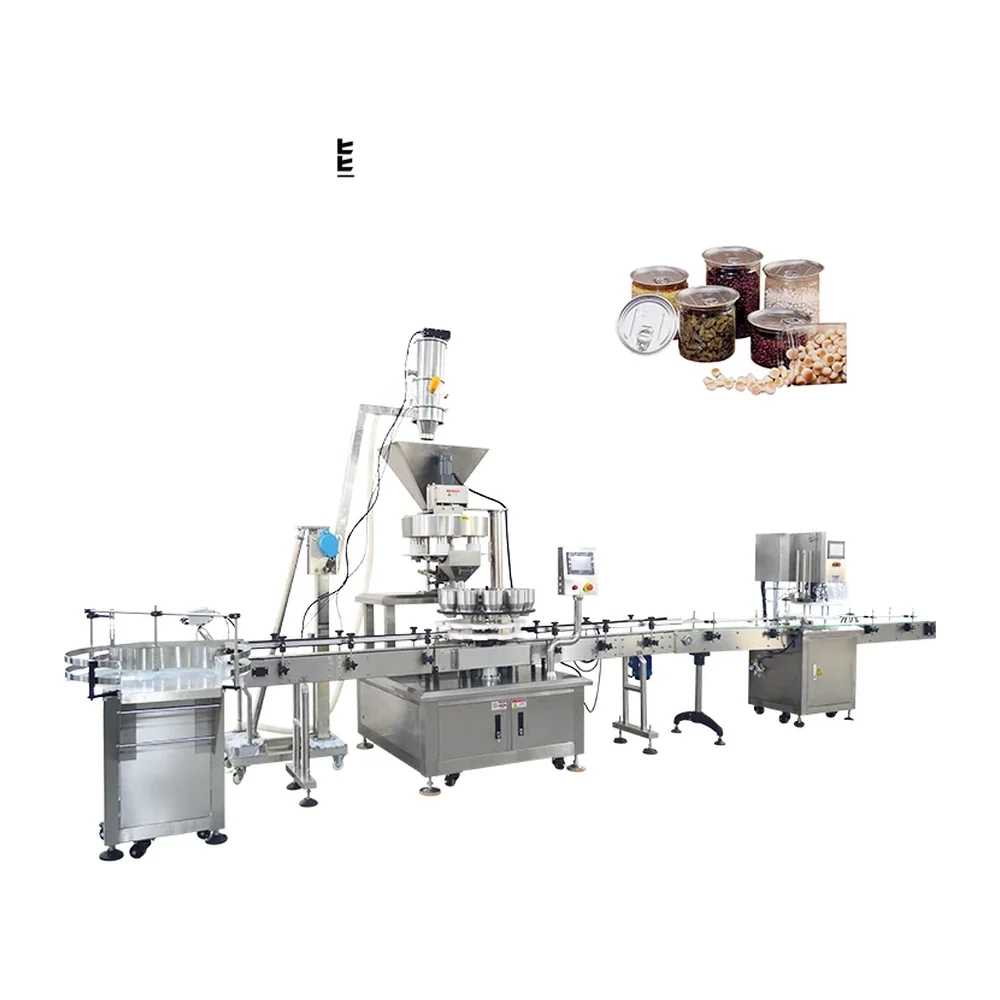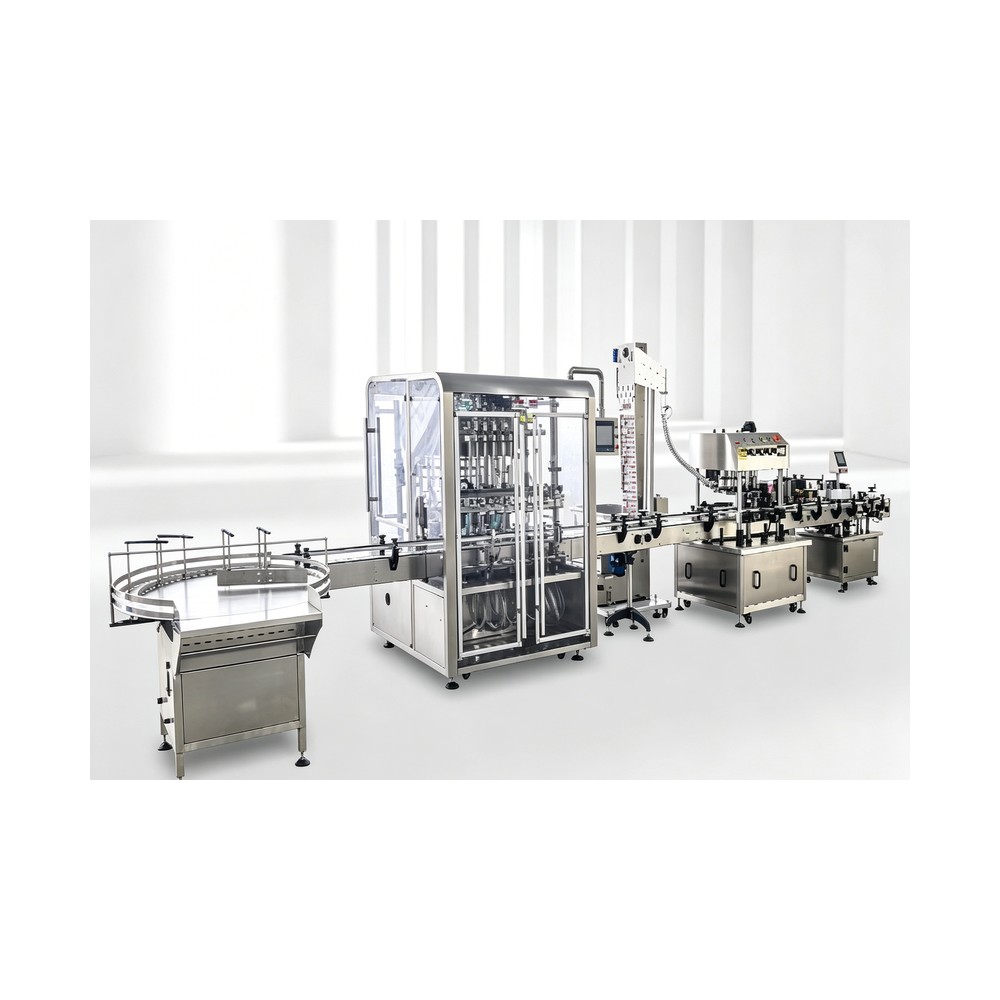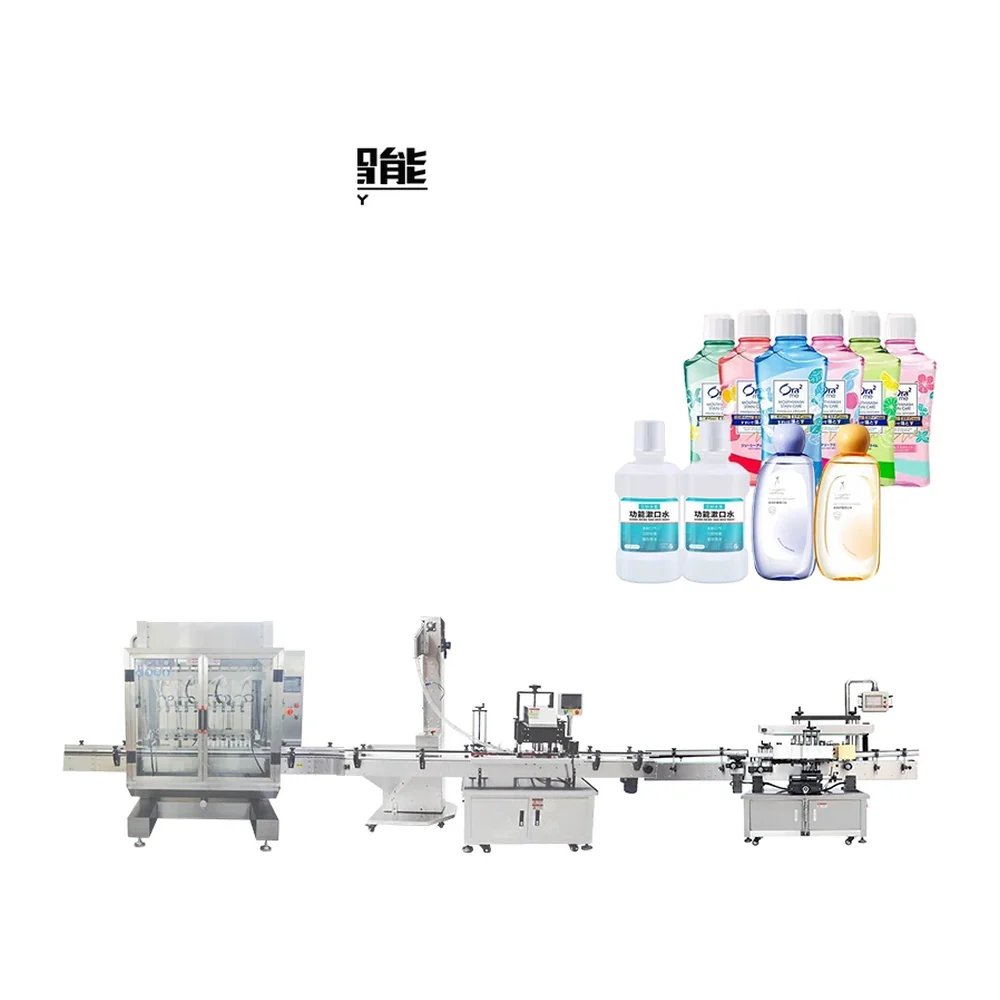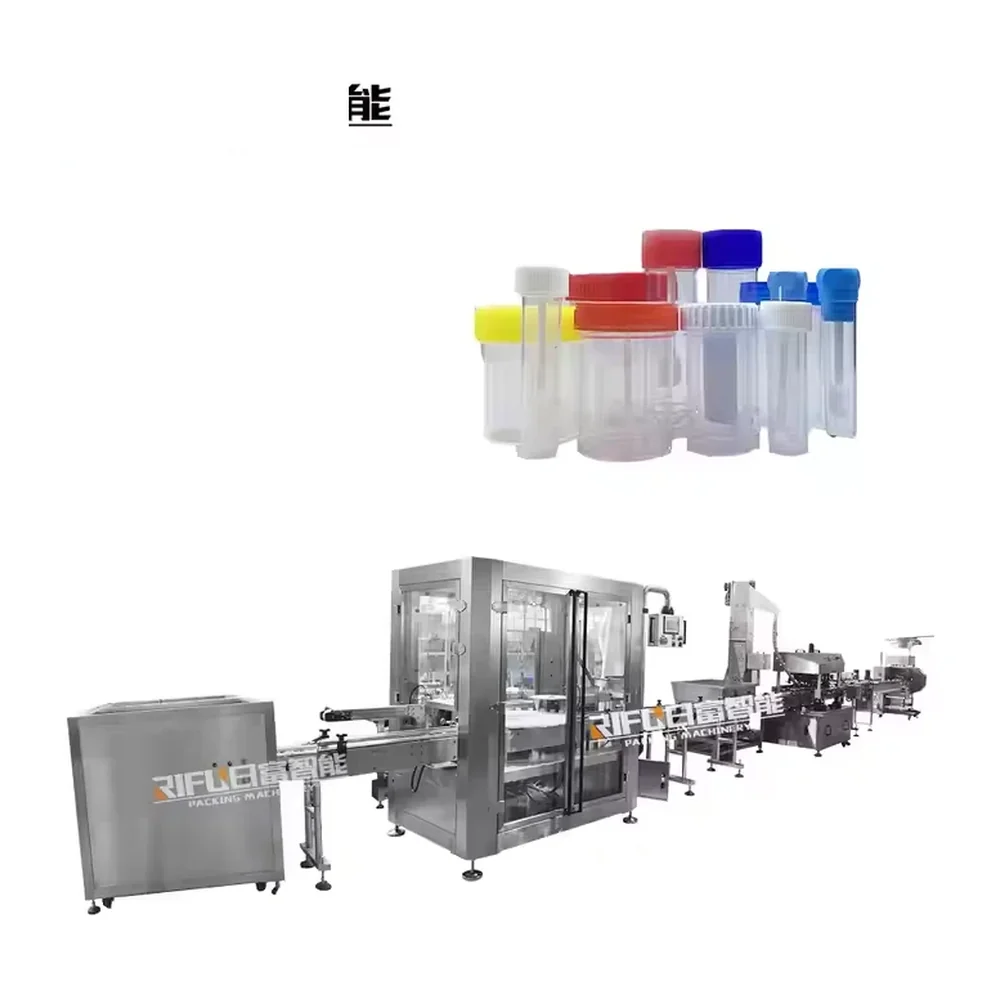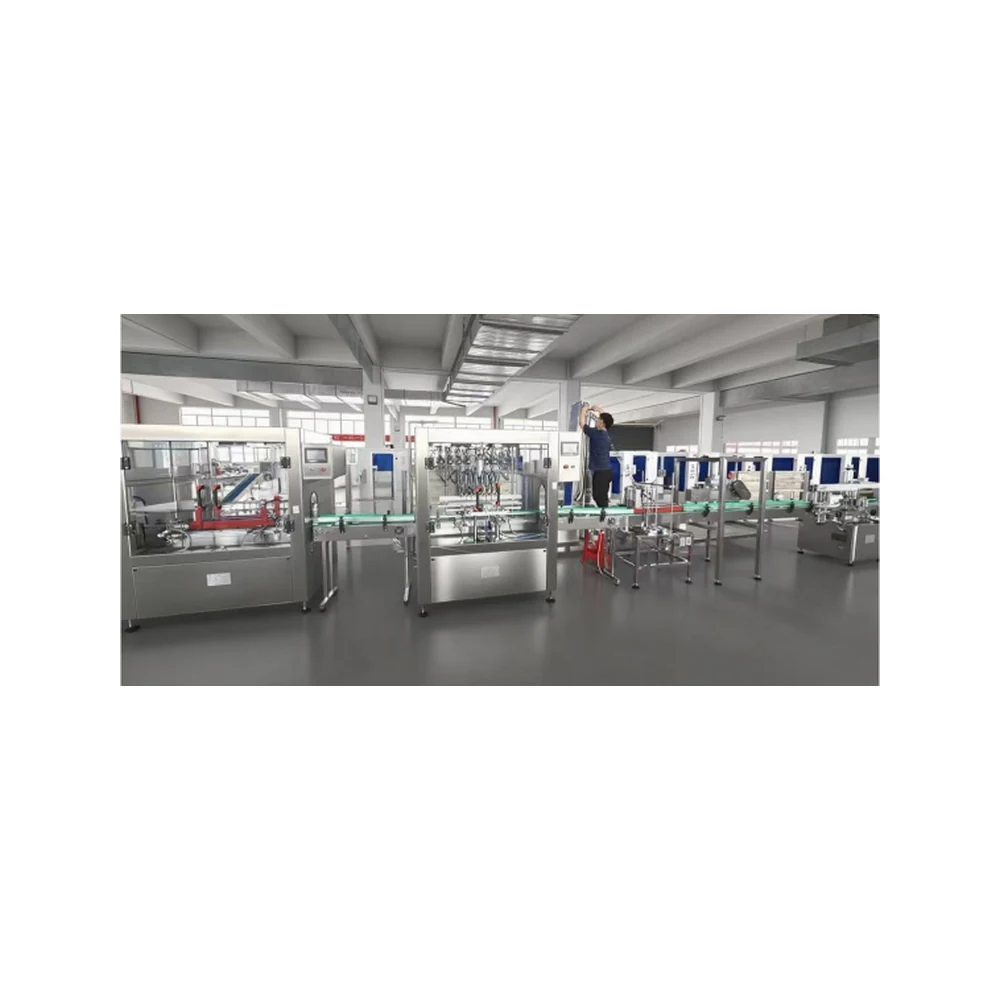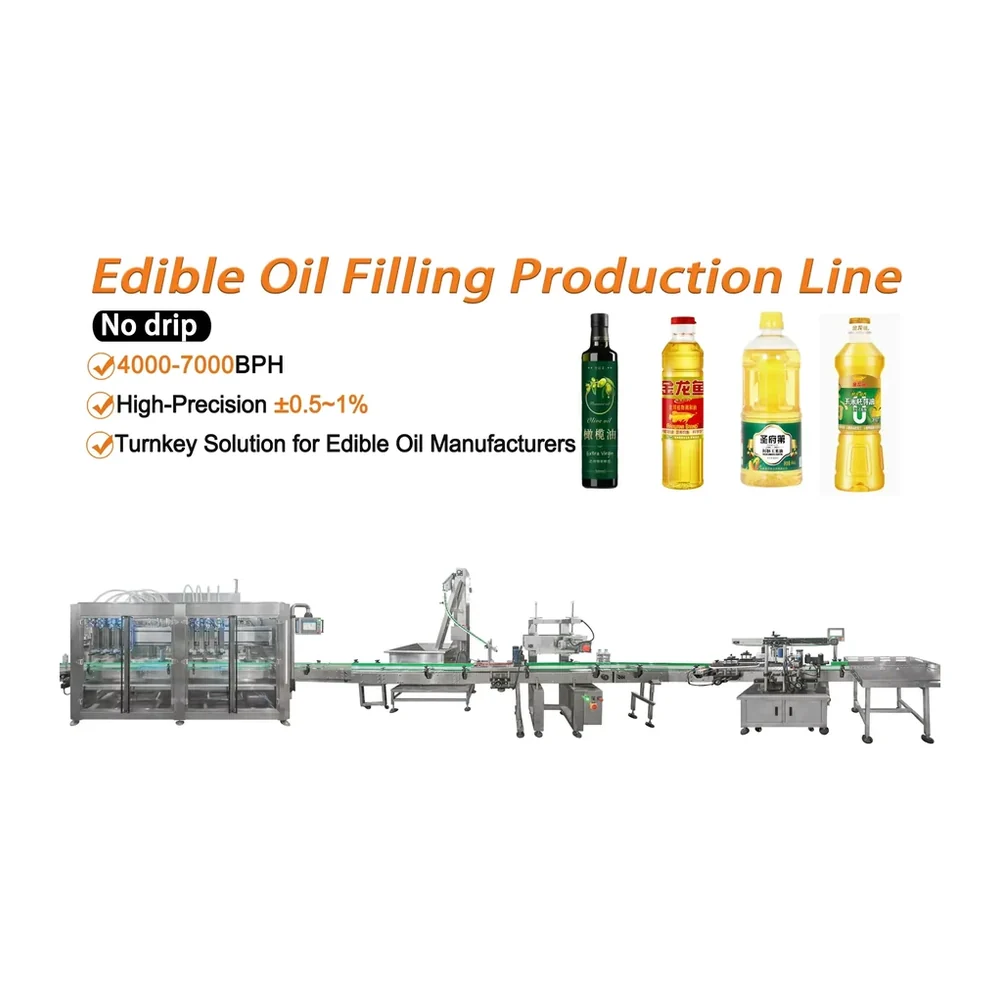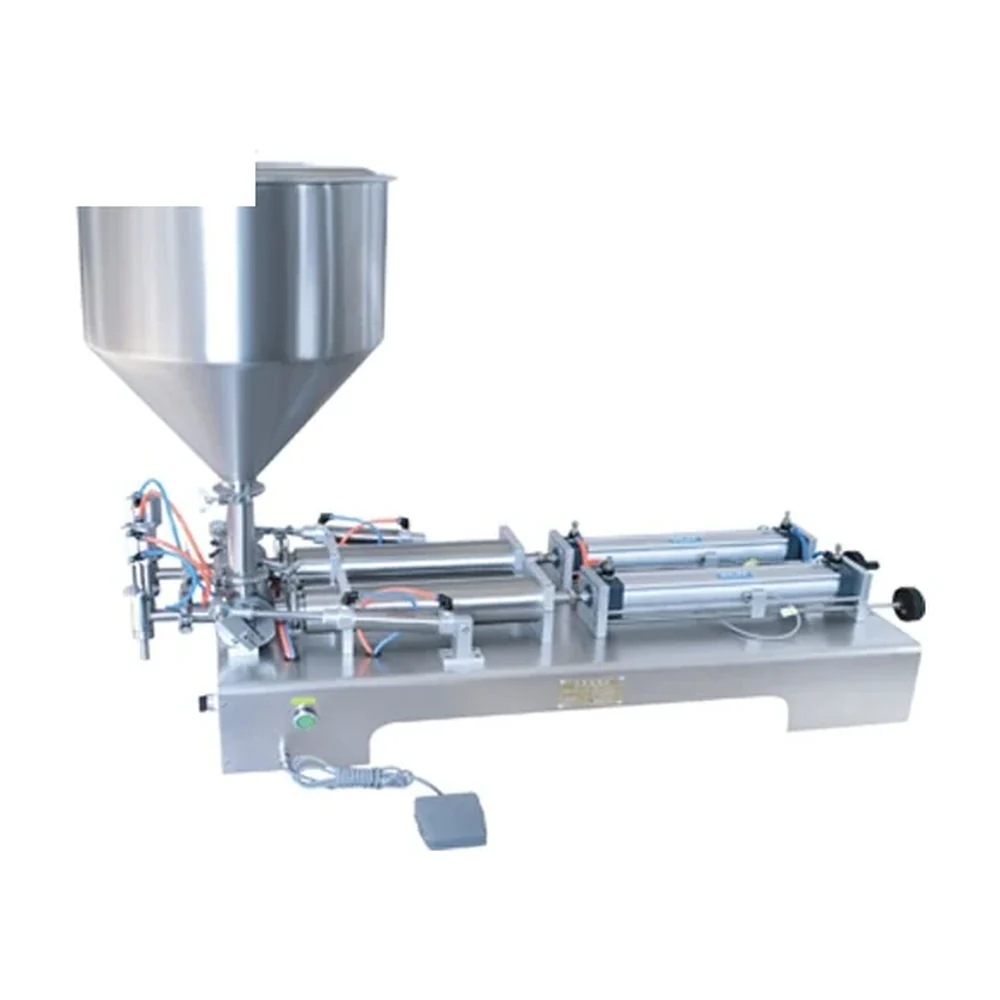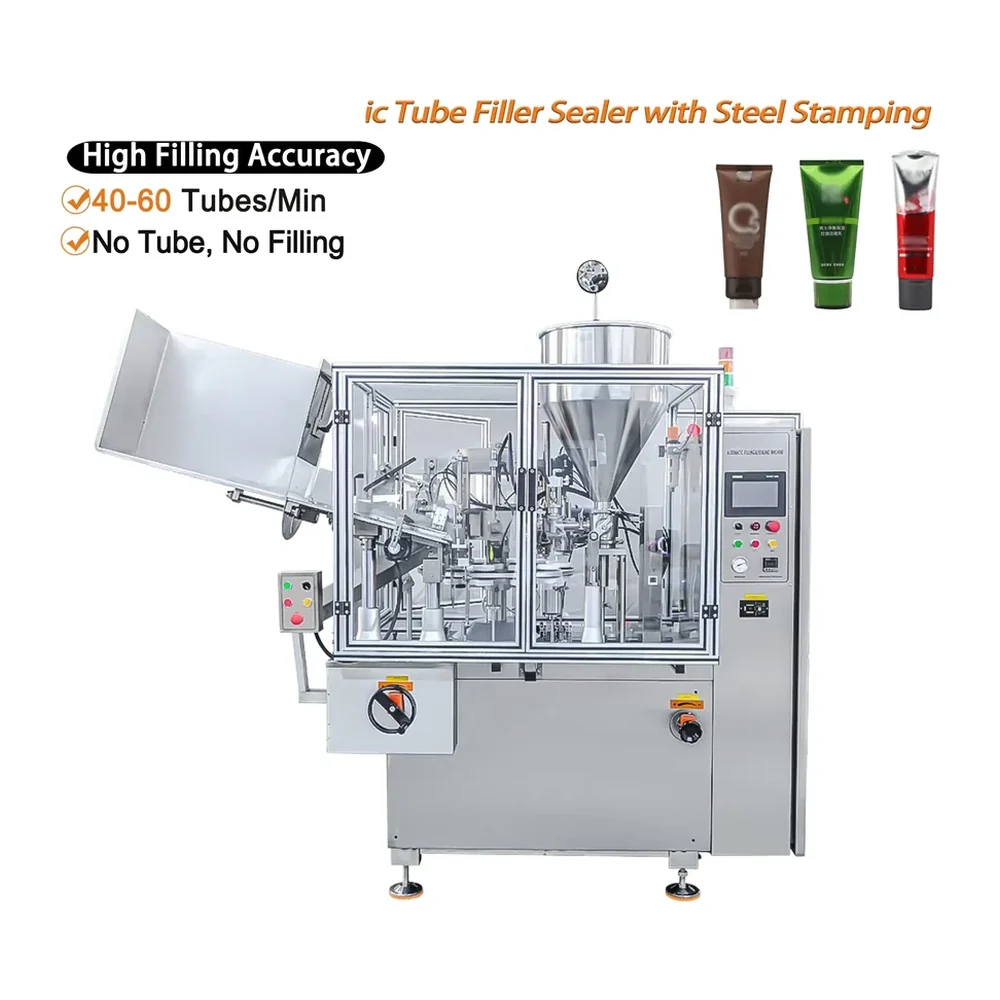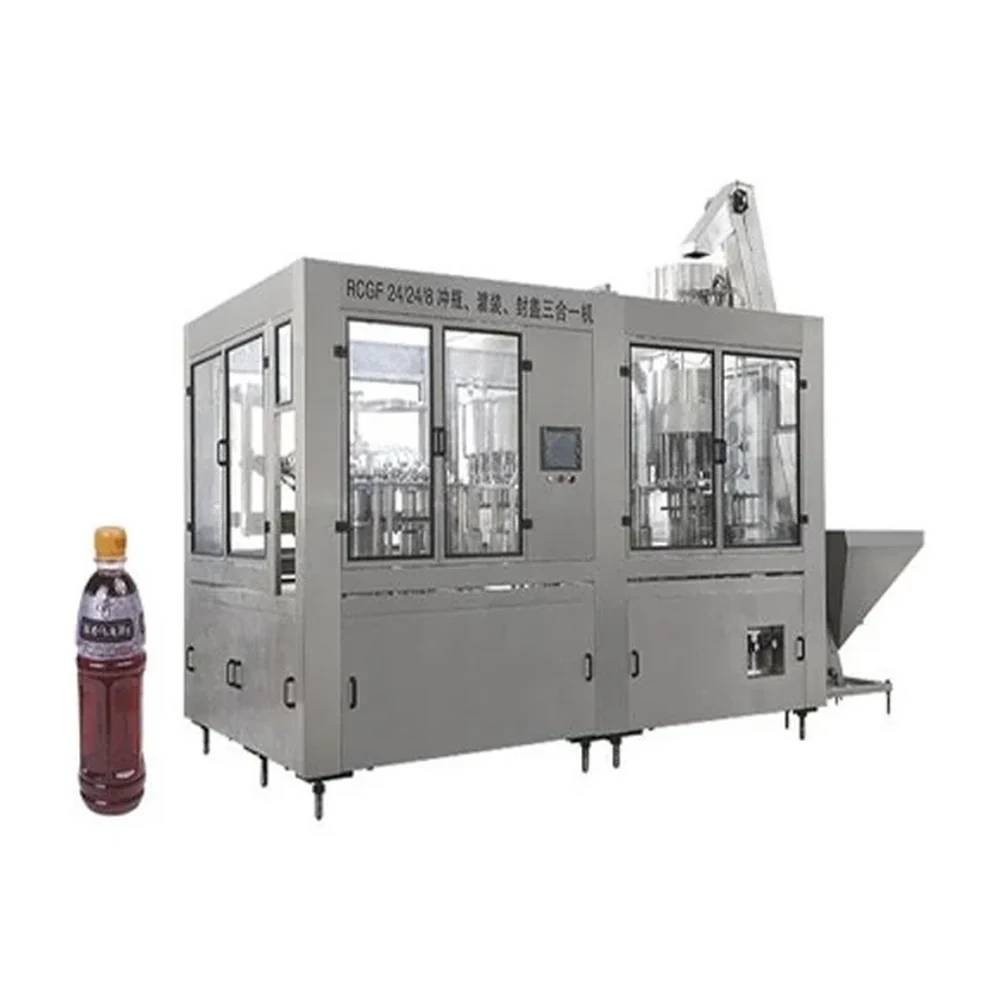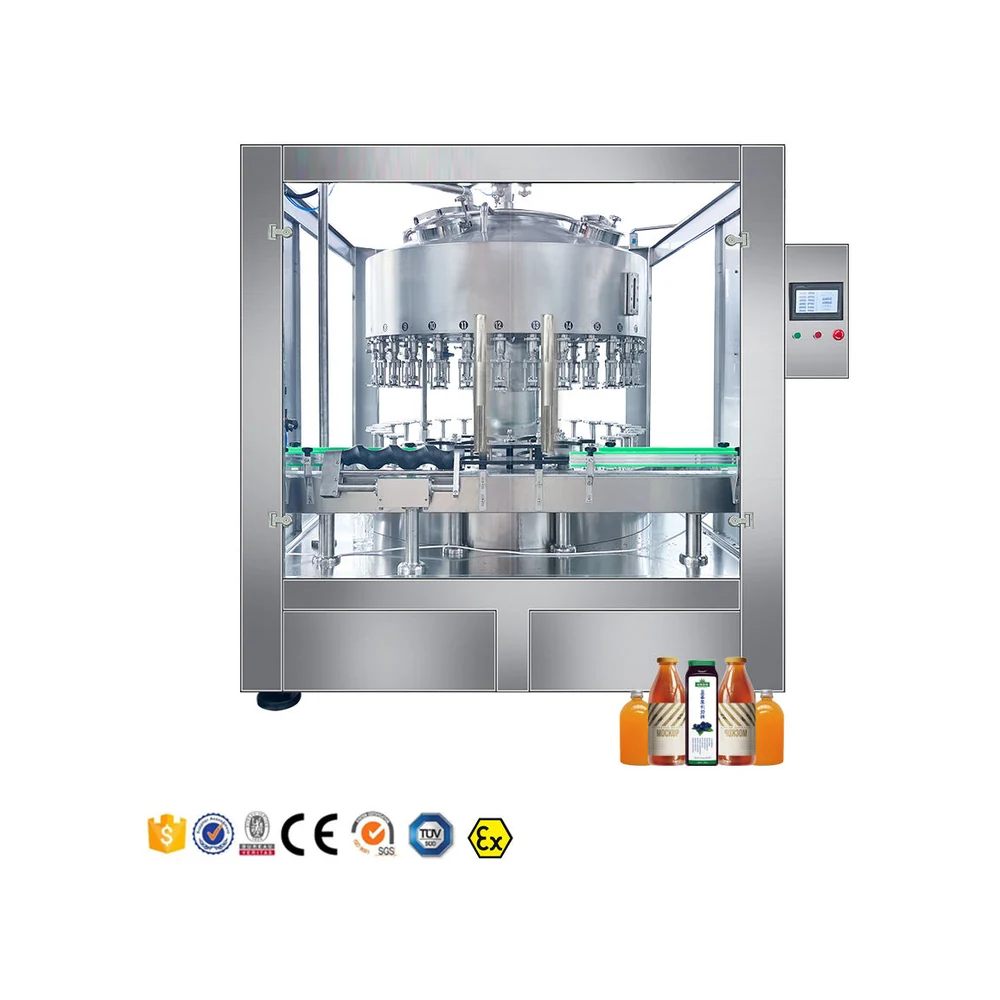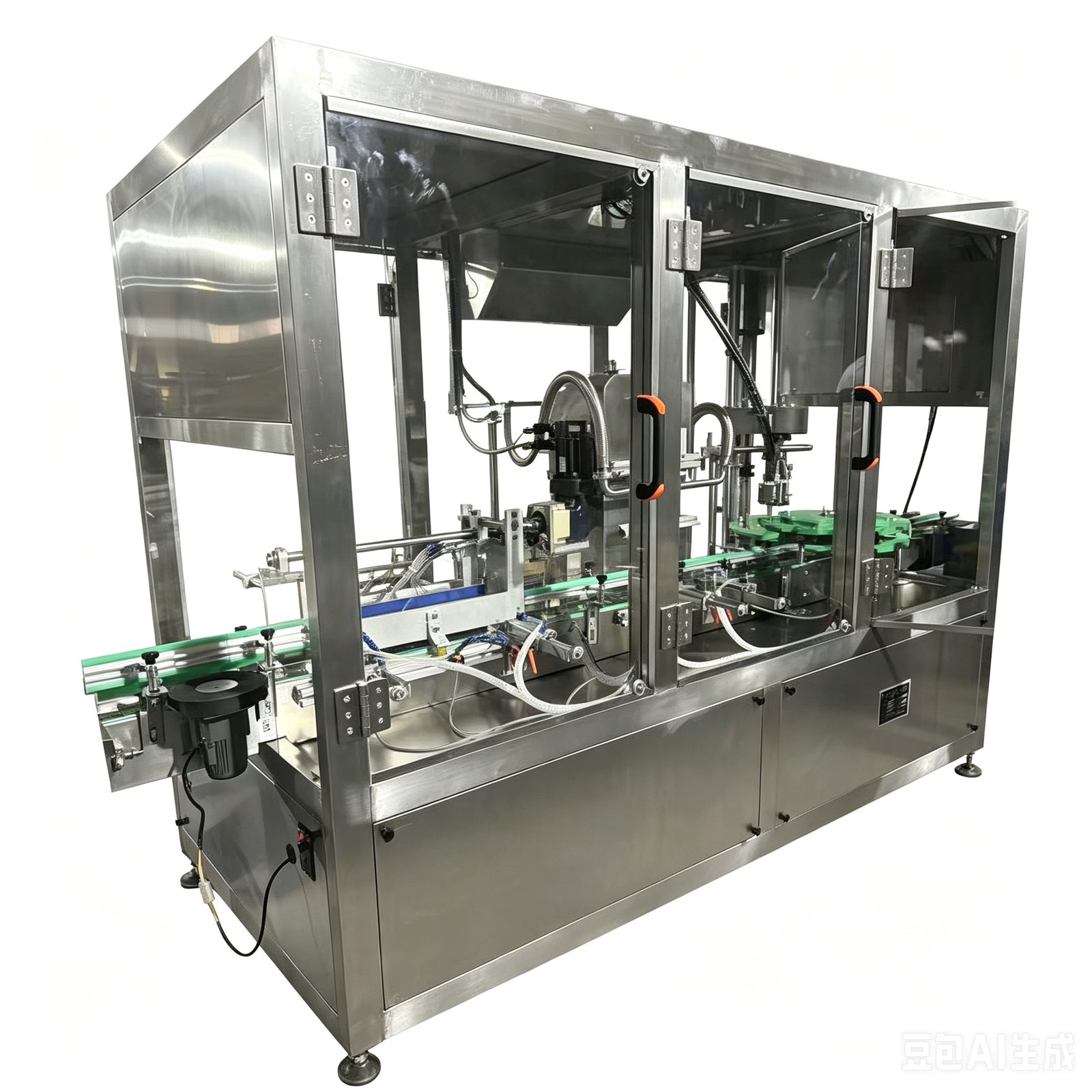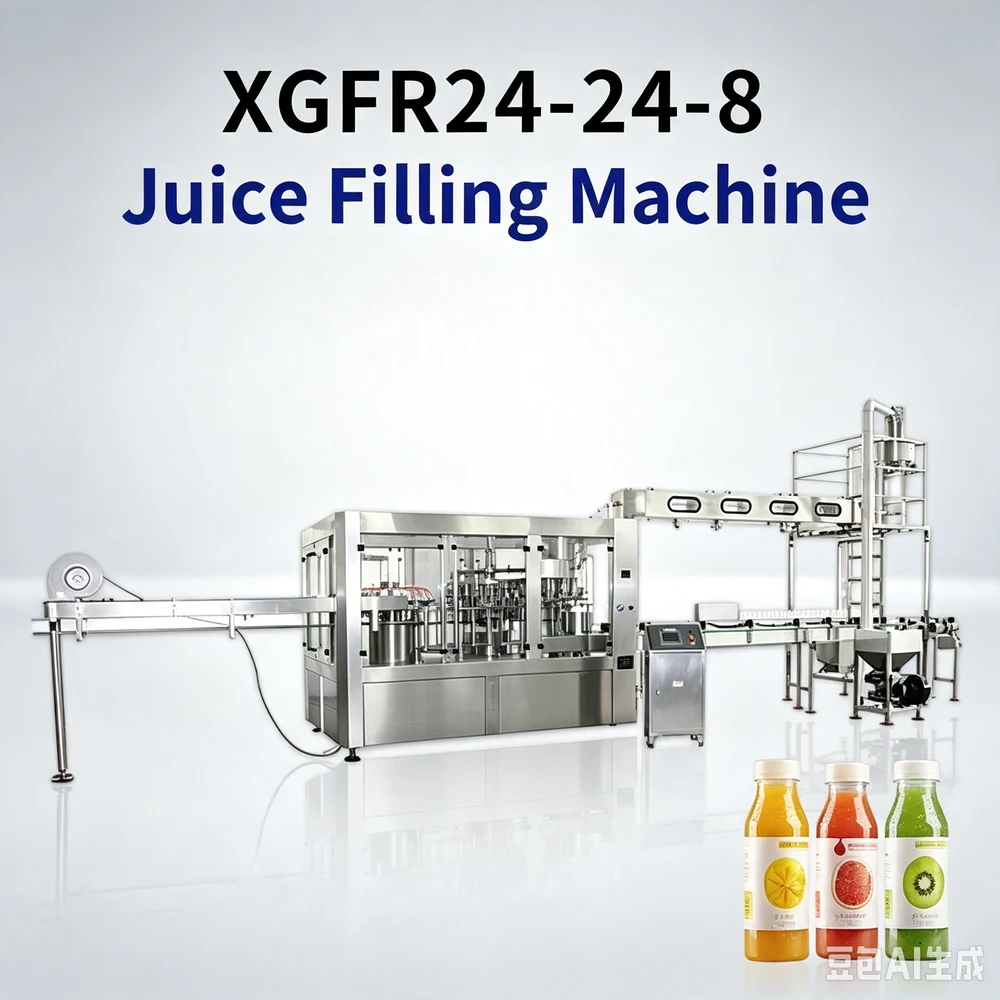
When a Libya customer contacted Longteng Machinery about an olive oil filling line, the first information was not a complete technical drawing. The customer shared bottle samples, factory space ideas and the oil storage area. From those details, we started to build a practical bottling solution.

Understanding the Real Bottle Range
The project needed to cover 250ml, 500ml, 750ml and 1L glass bottles, including round and square shapes. The customer also needed to fill 5L PET bottles. Because the bottle sizes and cap types were different, one simple standard line was not the best answer.
How the Solution Changed
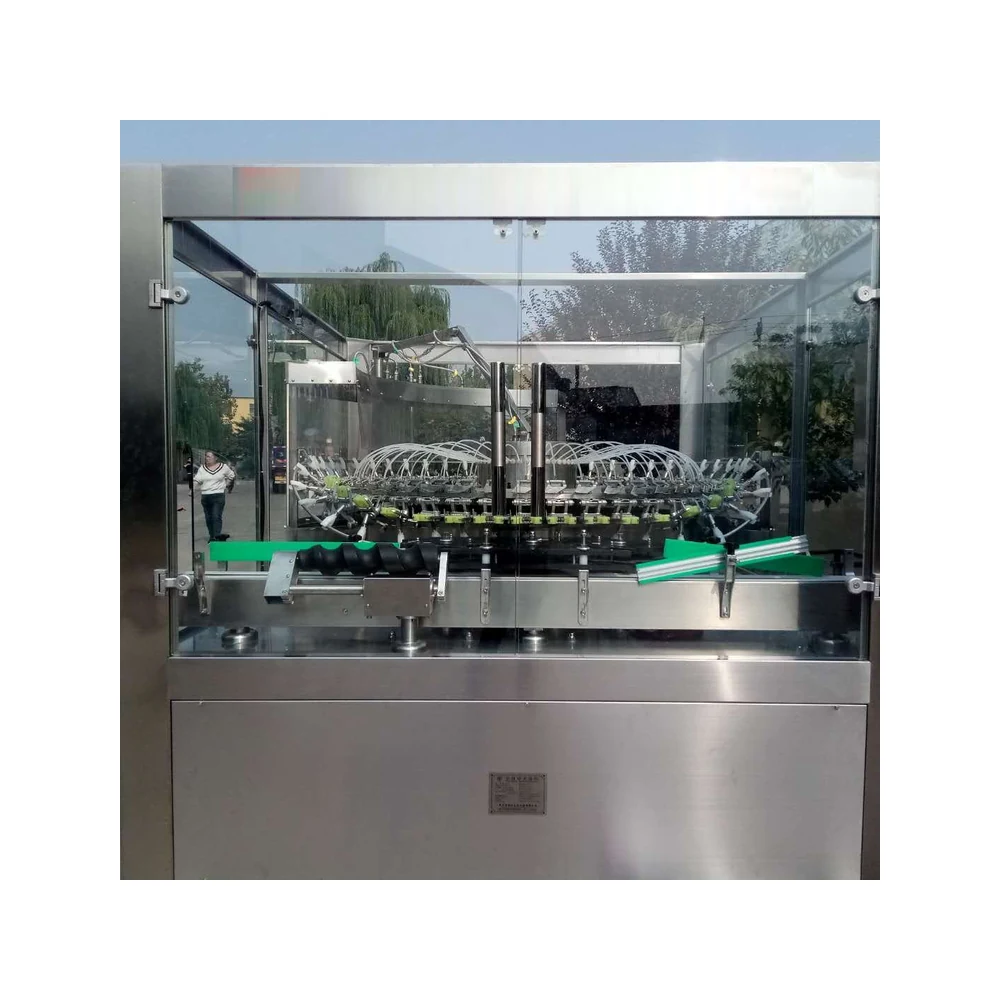
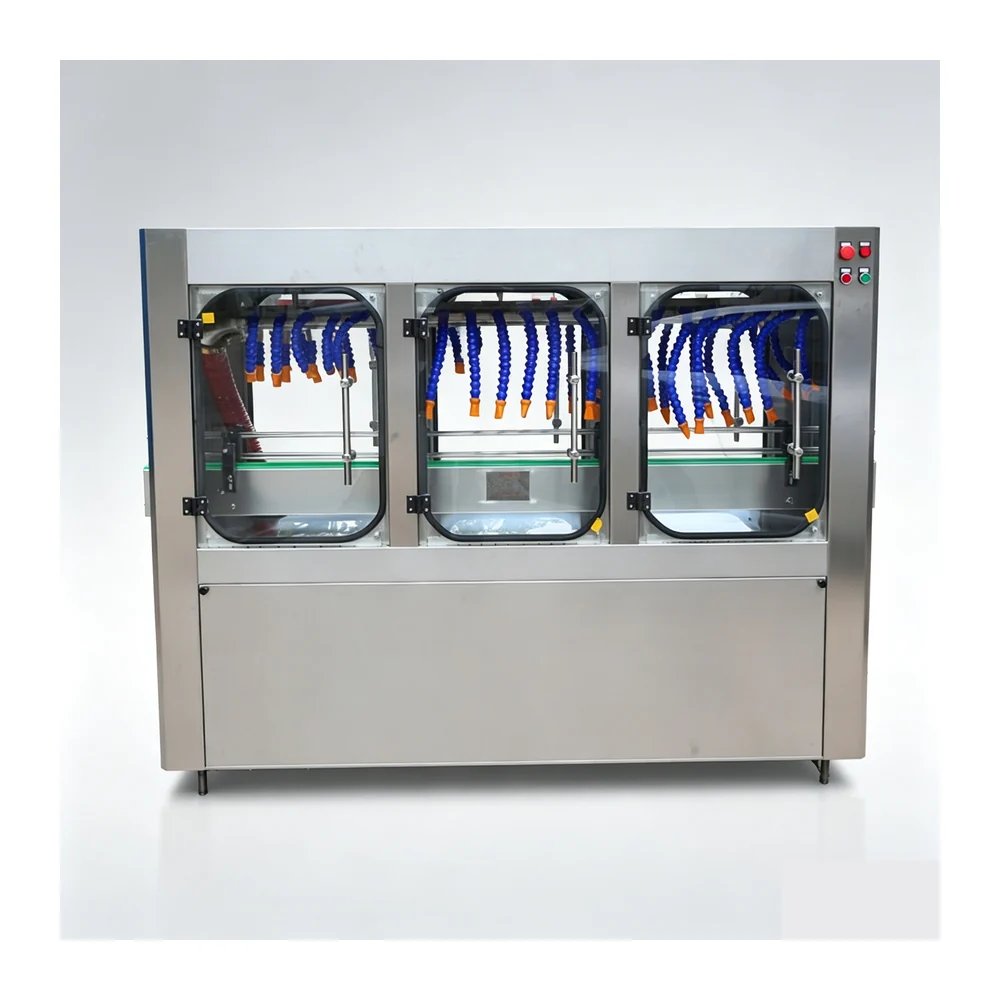
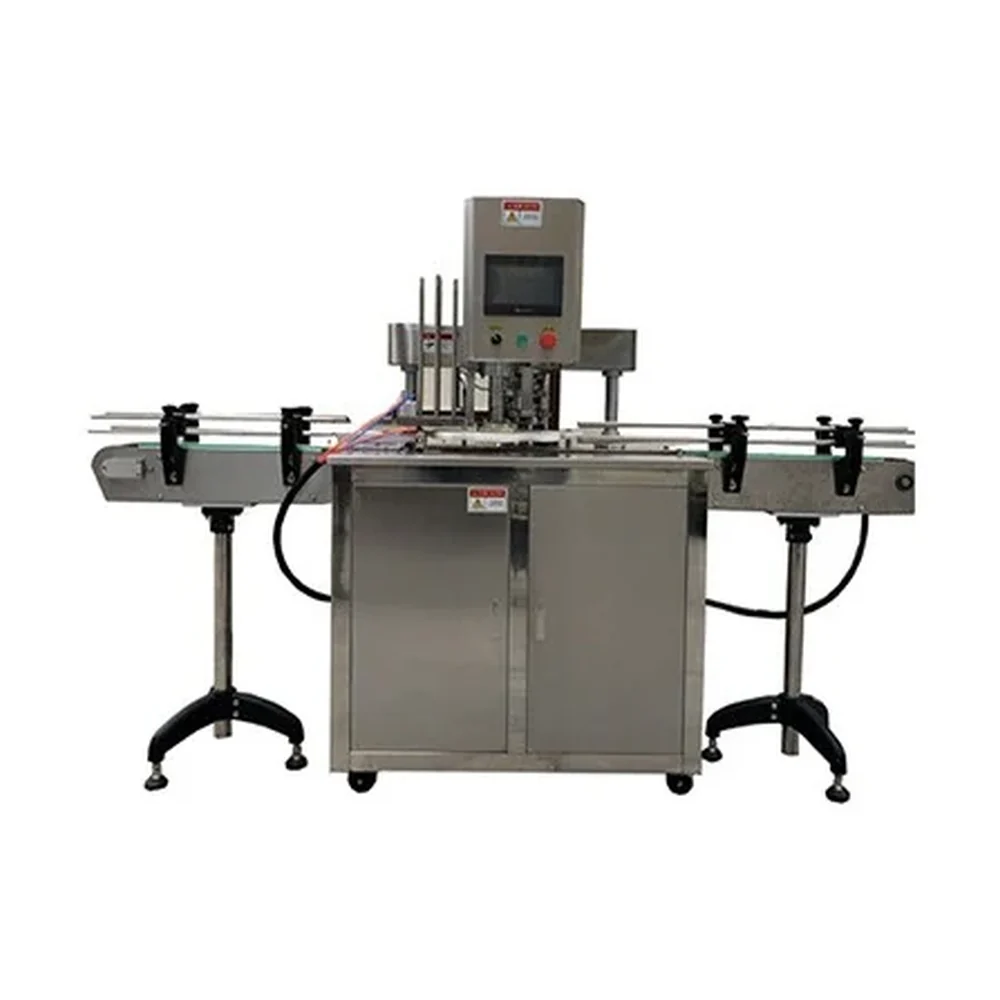
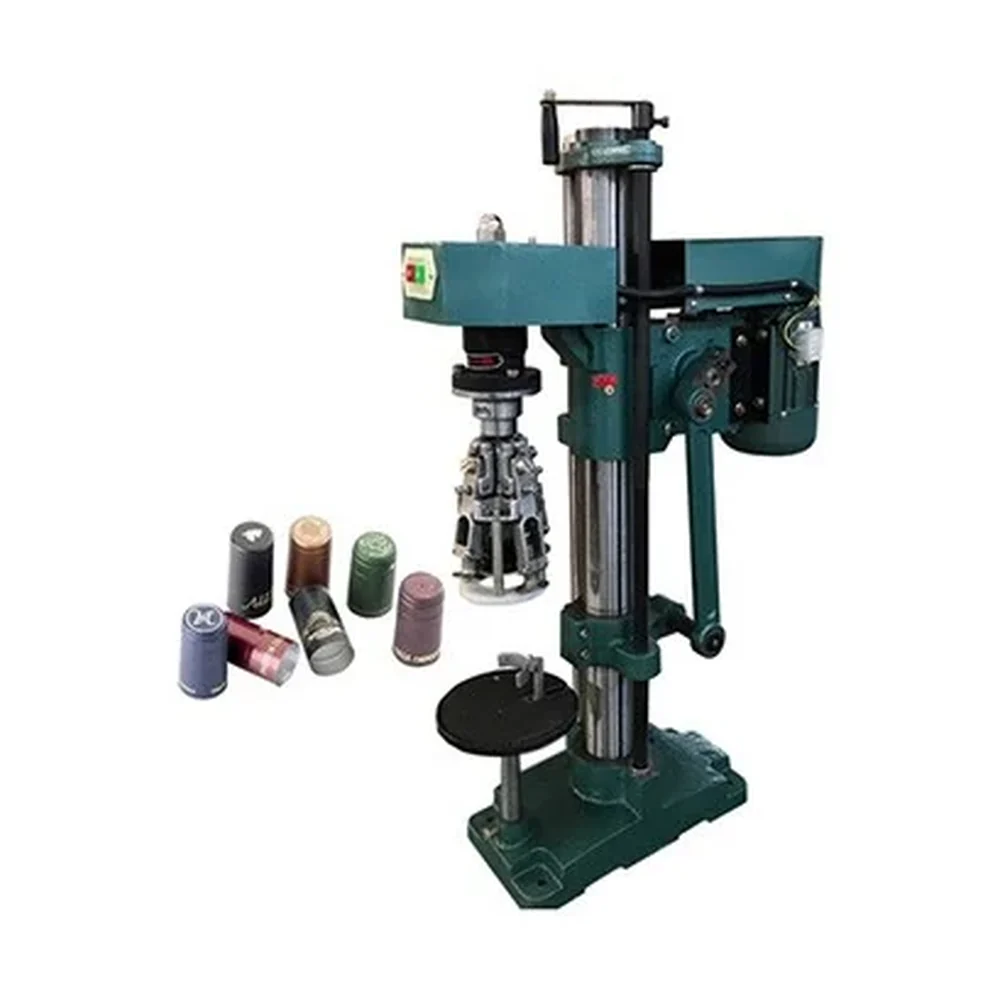
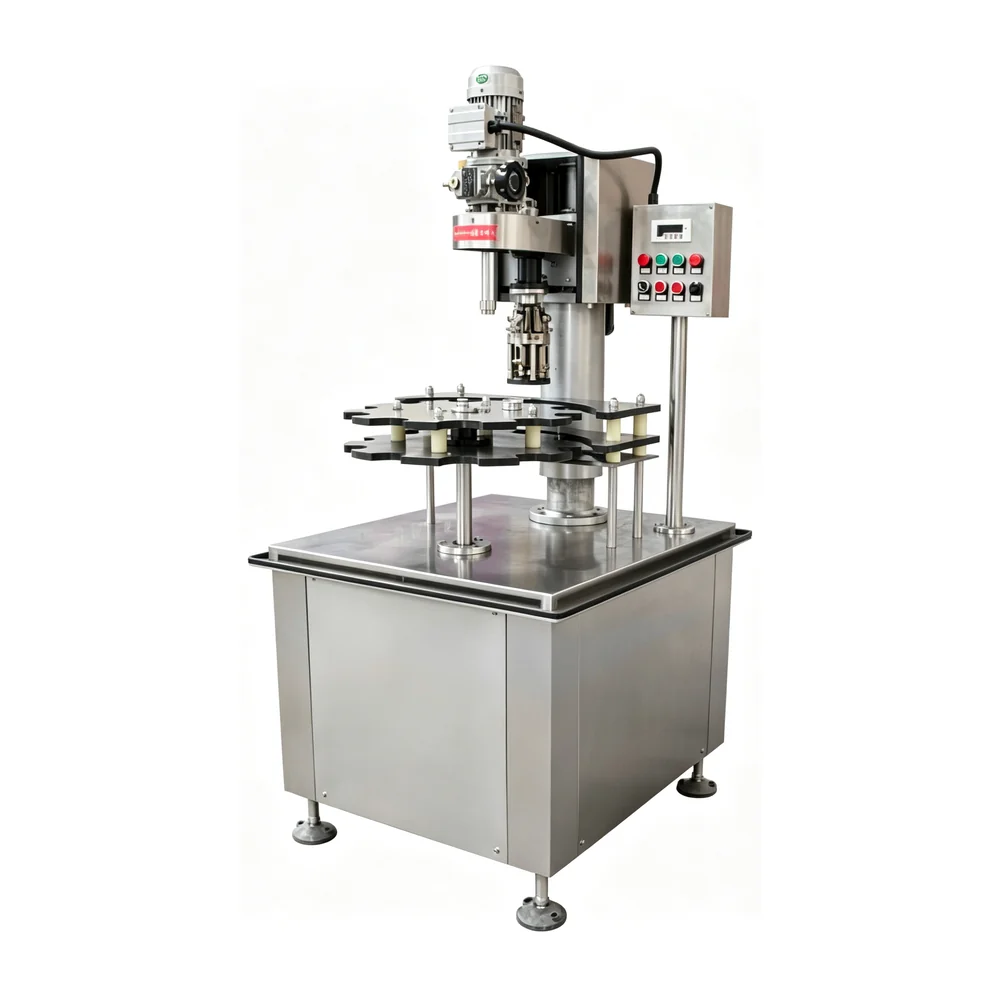
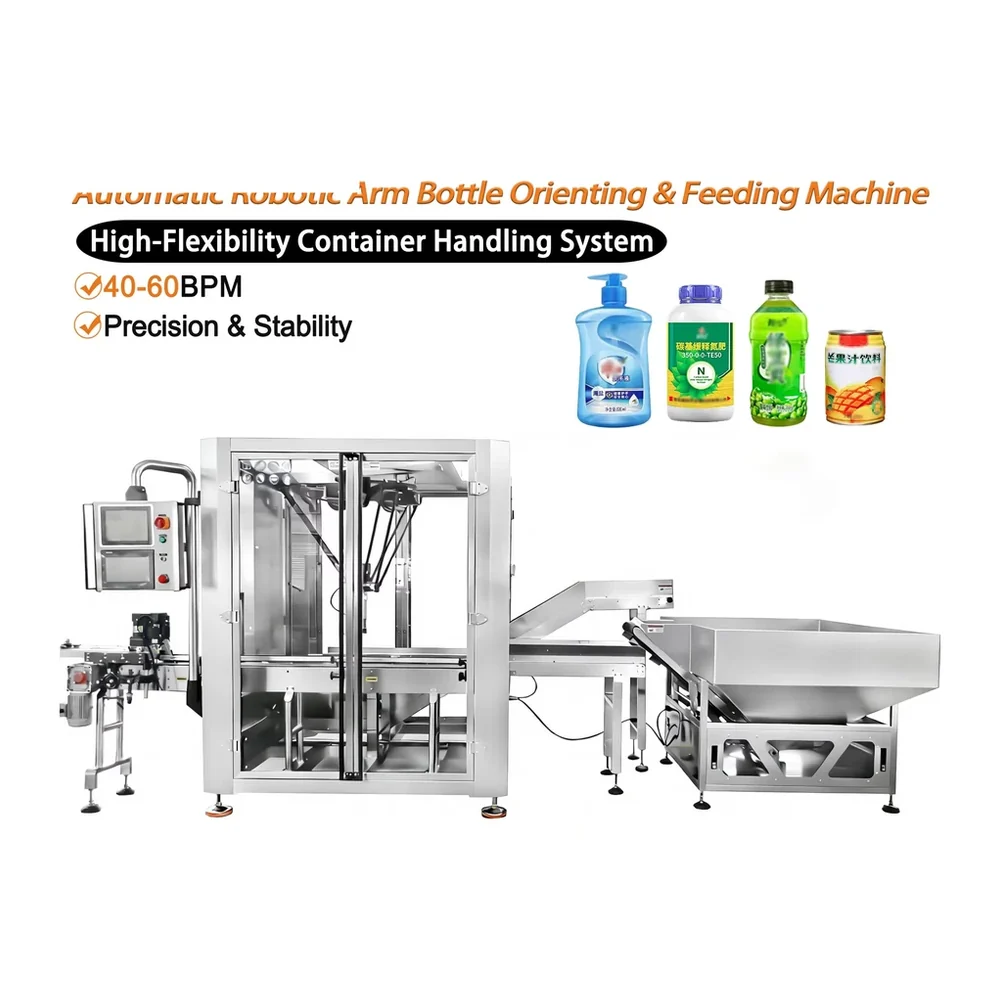
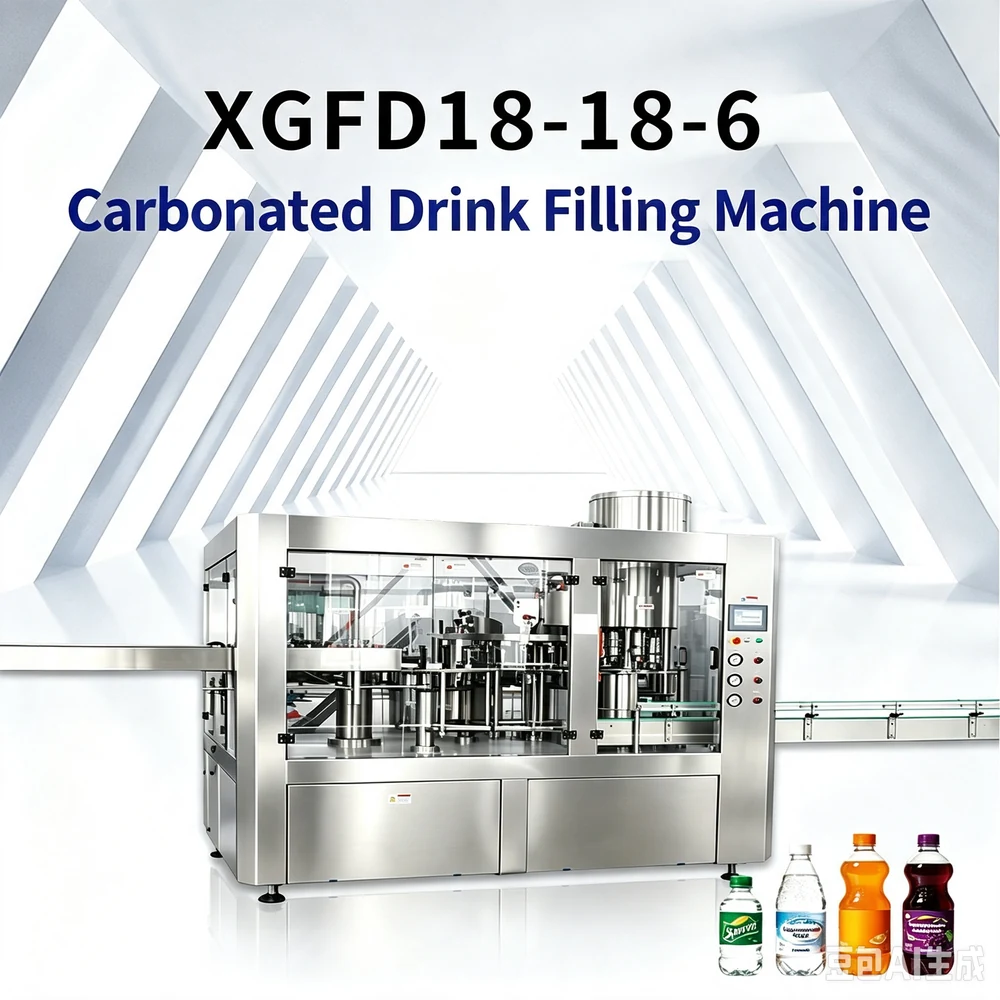
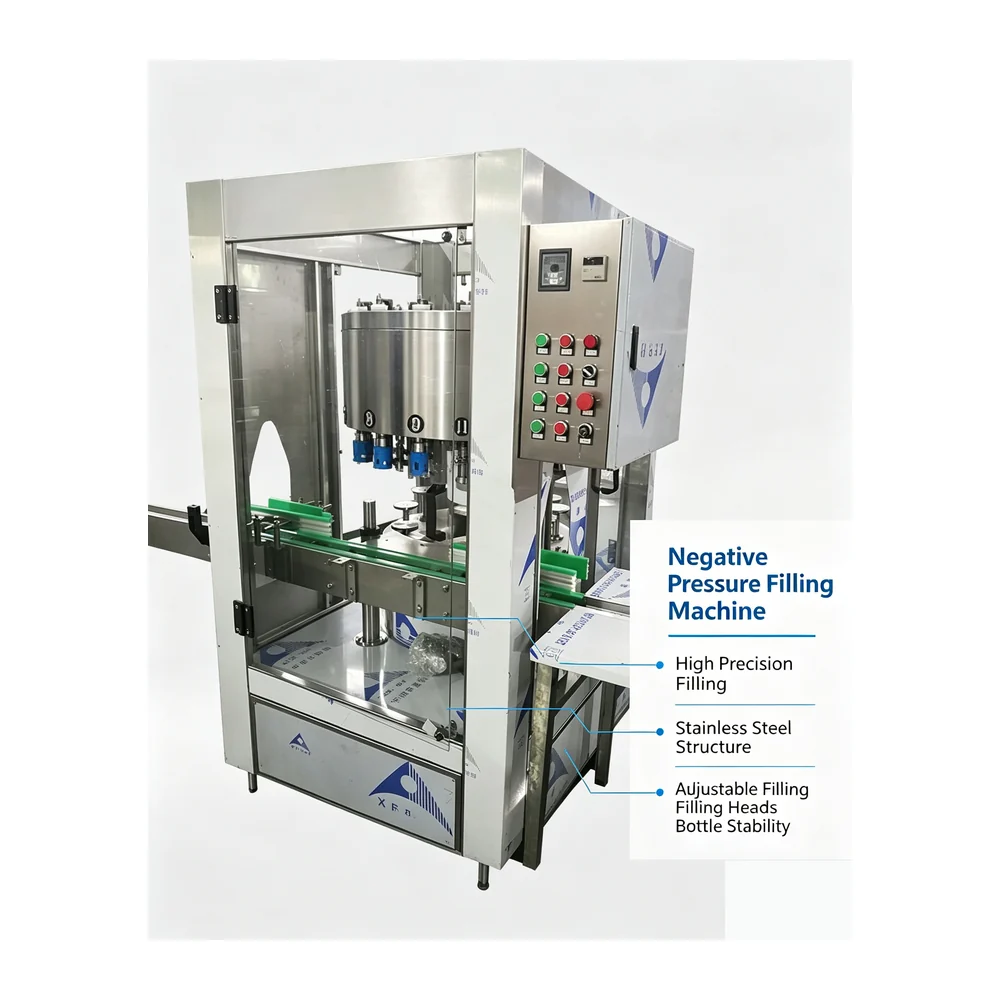
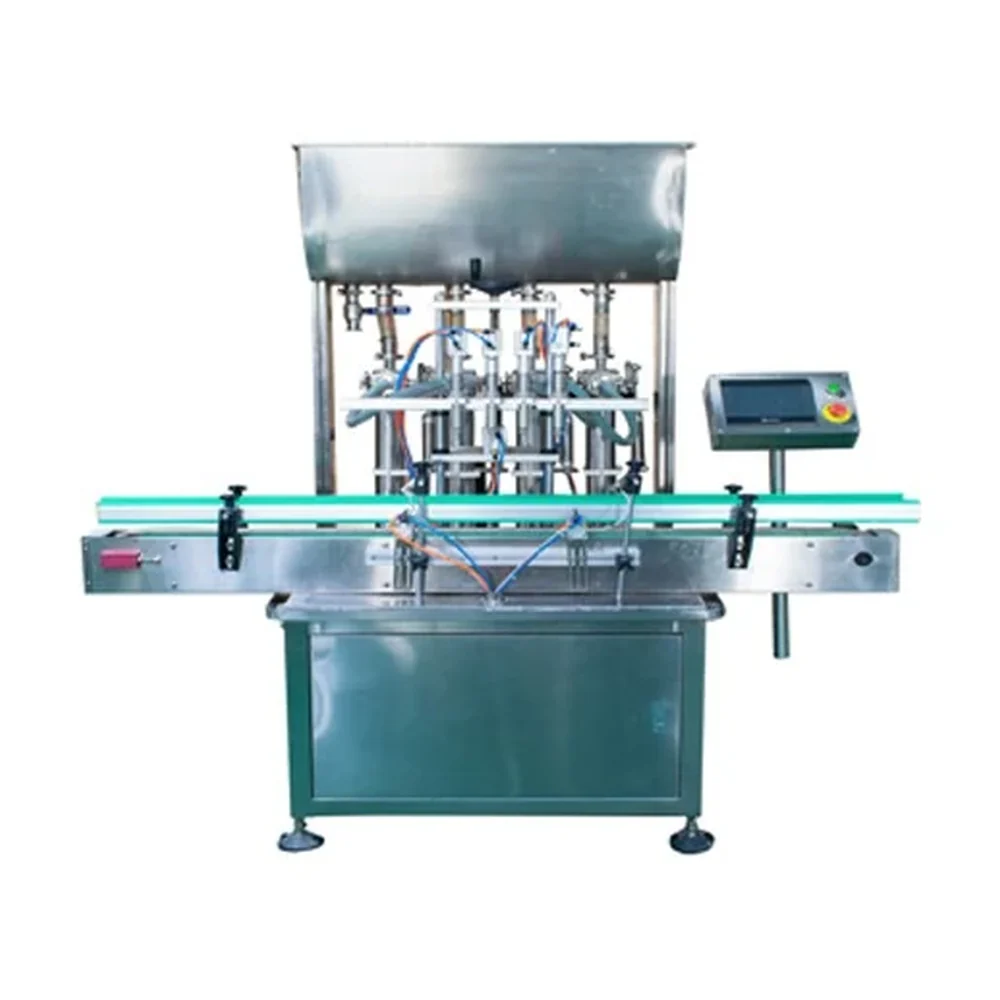
The early idea was a basic filling, capping, labeling and coding line. After several rounds of discussion, we added bottle feeding and air bottle rinsing for cleaner glass bottle production. The glass bottle solution then became a compact 3-in-1 monoblock with 4-head air rinsing, 4-head filling and single-head aluminum cap capping.


Why We Shared One Labeling Machine
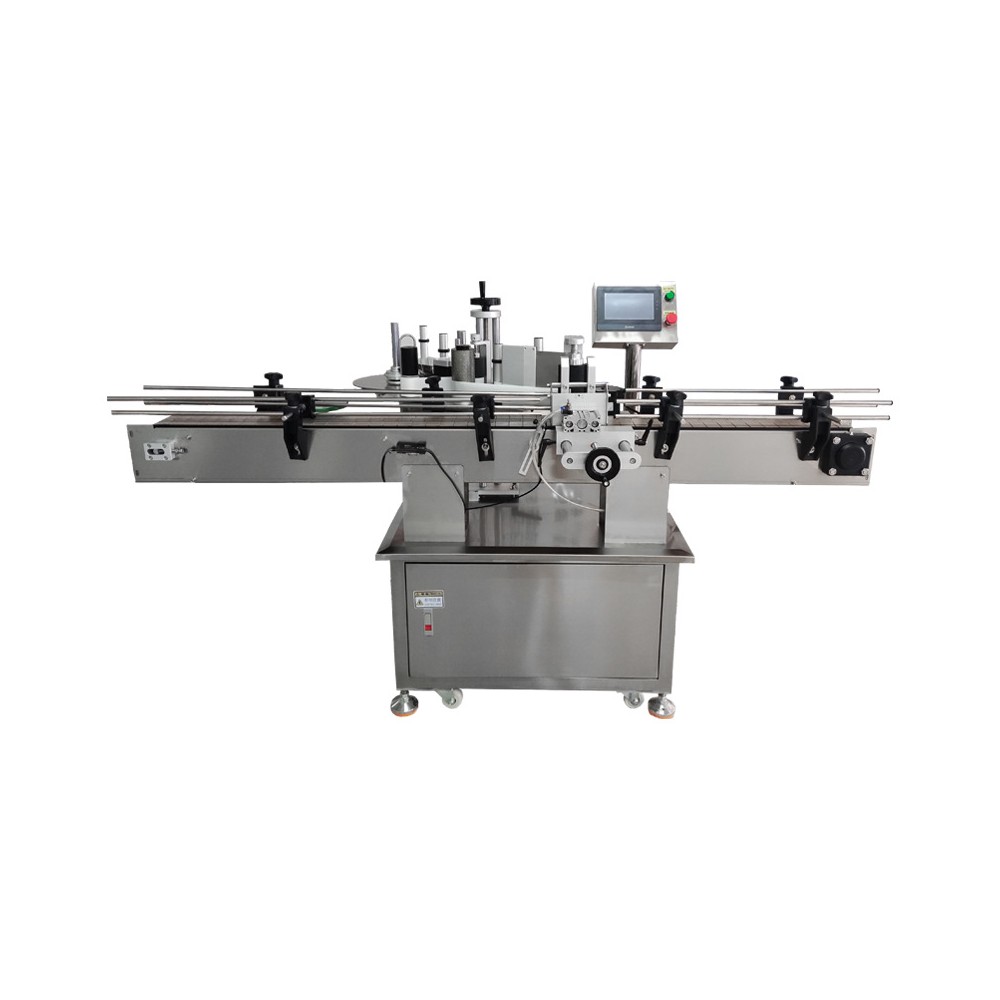
At first, the customer considered two parallel lines. Later, we optimized the layout: the small glass bottle line and the 5L PET bottle line kept independent filling and capping sections, but shared one labeling machine. This saved space and reduced equipment investment because both bottle formats would not normally run at the same time.

Test Runs and Customer Site
Before shipment, we tested the line with different bottle types. The final project video from the customer site is included below to show the real application background.
Round Glass Bottle Test Run
Round glass bottle olive oil filling line test run
Customer Site Video After Installation
Customer site video showing the Libya olive oil factory and installed project context
Key Takeaway
This case shows why edible oil filling projects should be designed around real bottles and factory conditions. A good olive oil filling line is not just a filling machine. It is a complete plan covering bottle feeding, rinsing, filling, capping, labeling, coding, layout and future operation.
Longteng Machinery can design edible oil filling lines for olive oil, sunflower oil, peanut oil and other bottled oil products using glass bottles, PET bottles and large-volume containers.
How this article differs from a buying guide
This page records the application and design logic used for an olive oil line. It does not replace the separate guide to choosing an olive oil filling line. The focus here is how bottle, cap, label, filling volume and workshop requirements are converted into a connected line proposal.
Inputs needed for a similar project
- Oil type and filling temperature
- Glass-bottle dimensions and filling volumes
- Cap and label samples
- Target production capacity
- Workshop layout and conveyor direction
Line-integration checks
The filler, capper, labeler and conveyors should be reviewed as one system. Bottle stability, cap handling and label position are tested with the real packaging materials. Final machine selection requires samples and project-specific acceptance requirements.
Related machines and project evidence
Compare the relevant Longteng equipment category. For a specific machine or real application, review automatic olive-oil filling, capping and labeling line.